Explore the rich variety of trees that make our campus a green haven. Click on any tree to view its gallery, scan its QR code, and find its exact location.
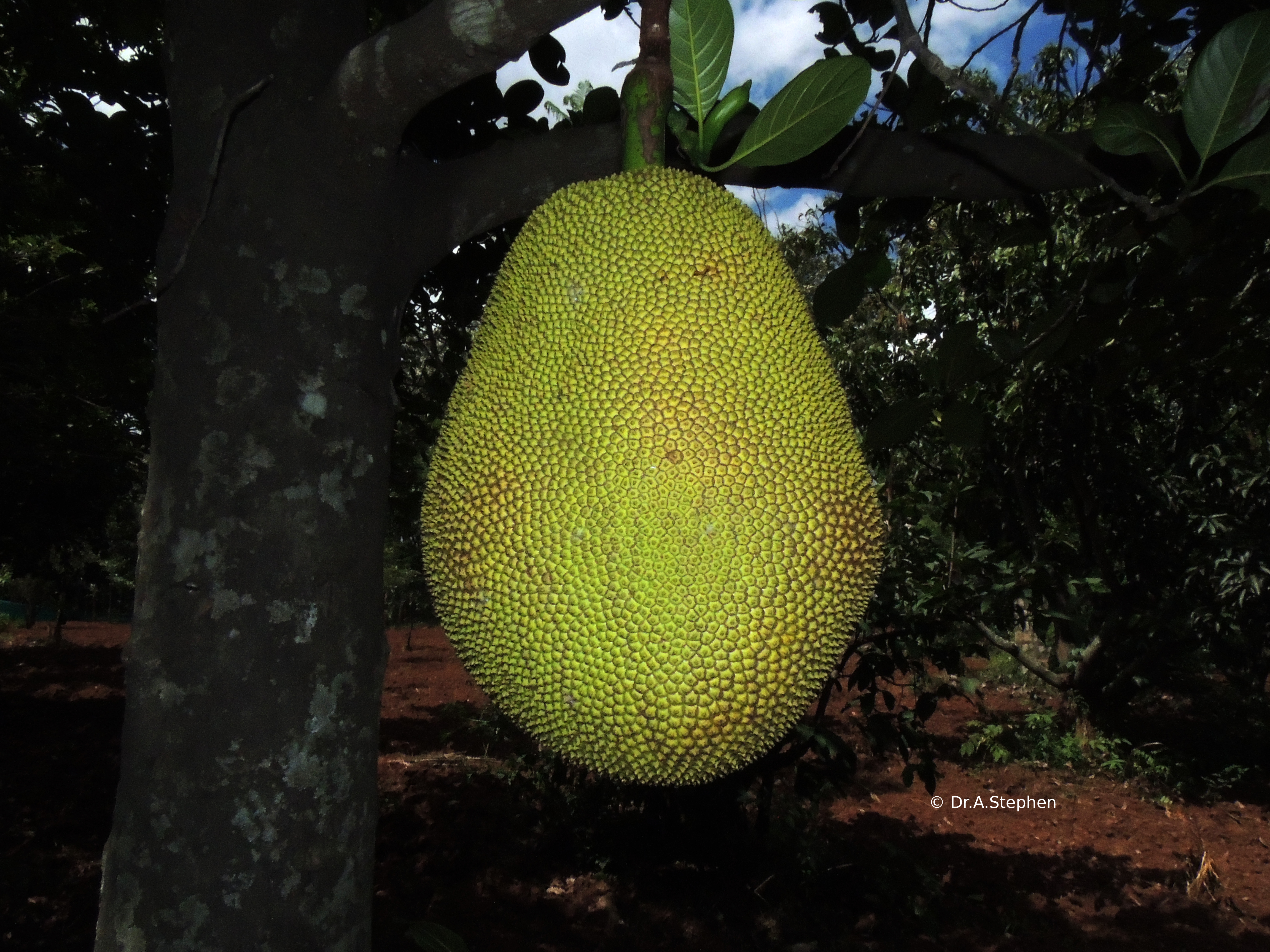
Artocarpus heterophyllus
ಹಲಸು / ಹಲಸಿನ ಹಣ್ಣು
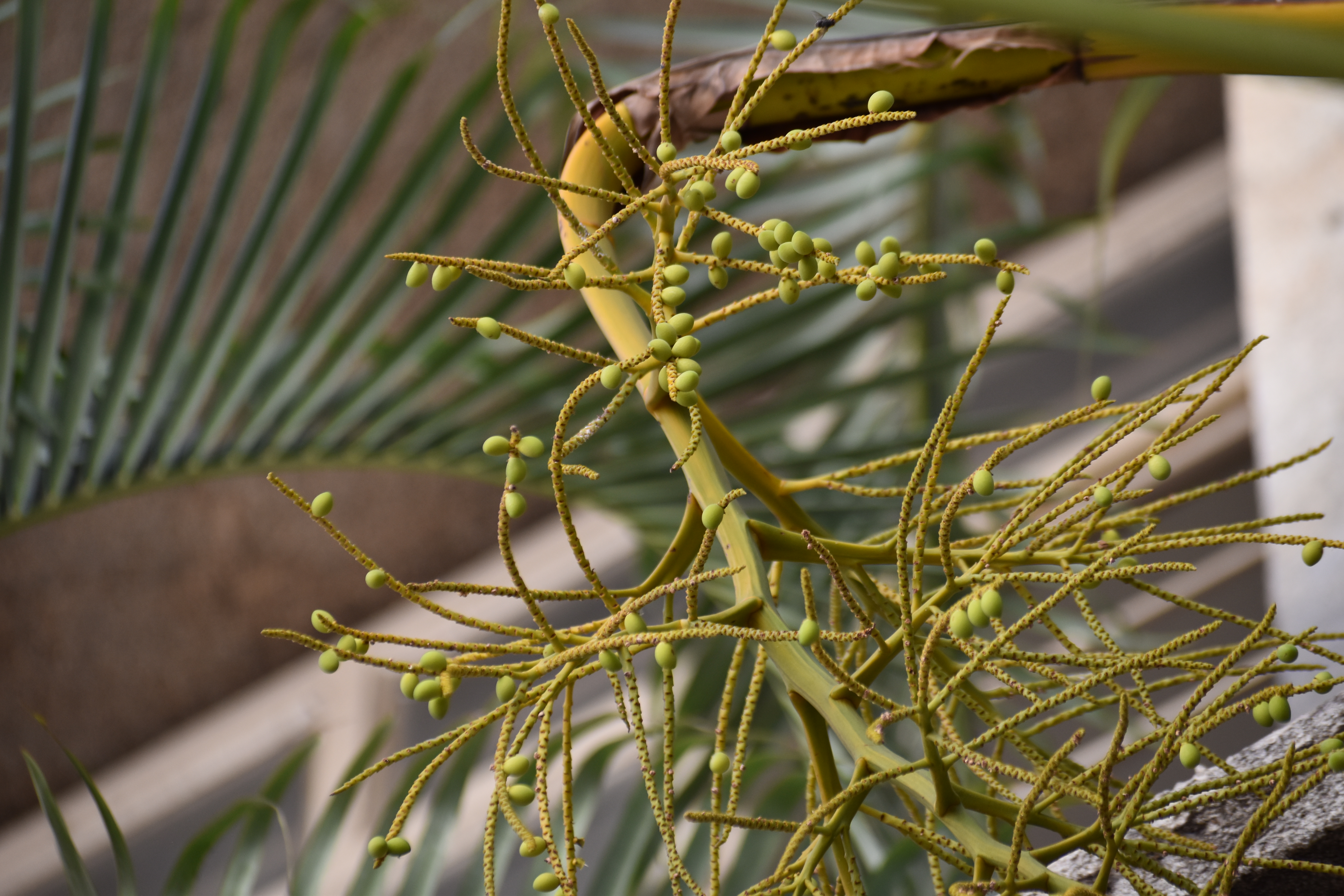
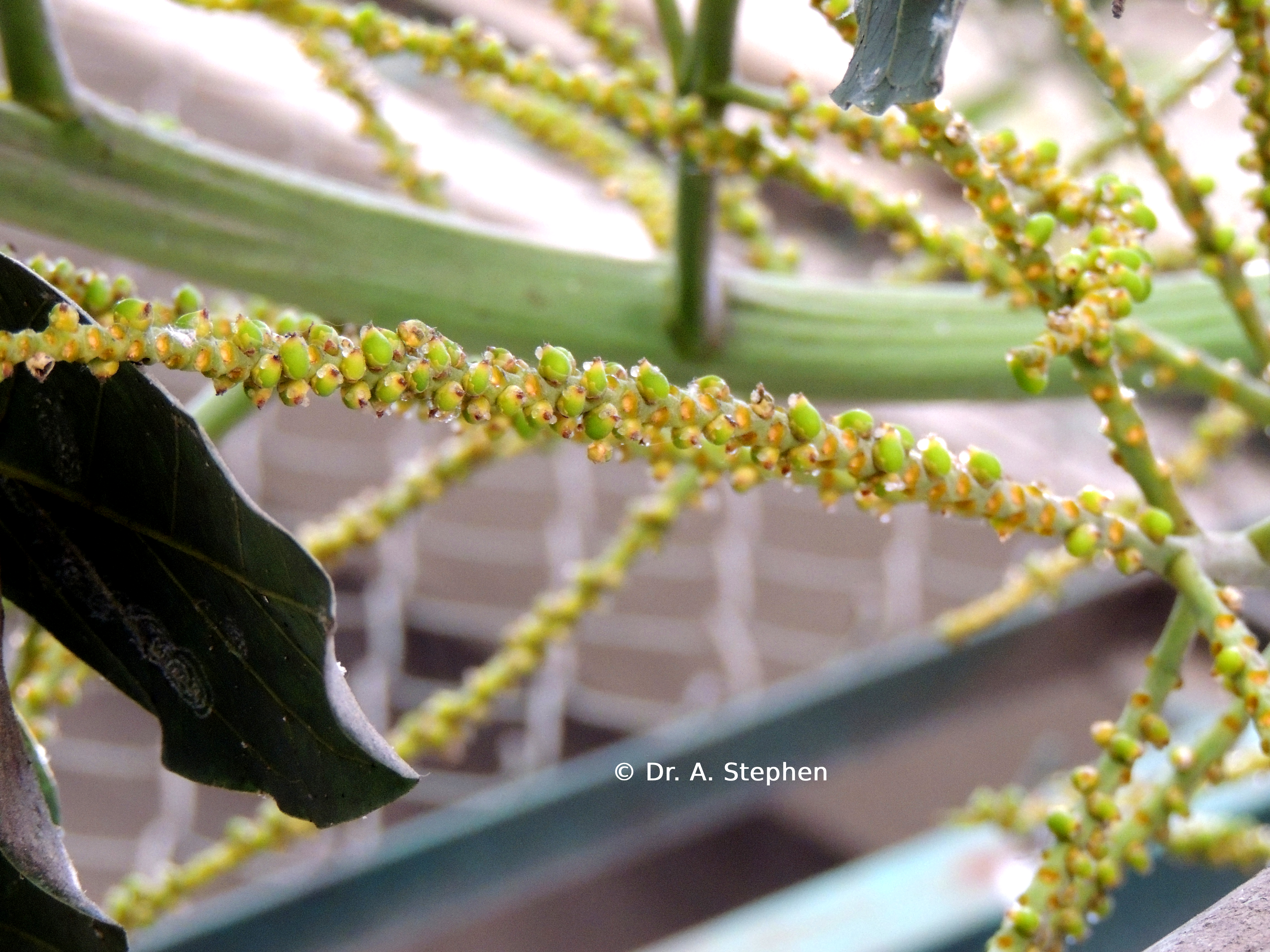
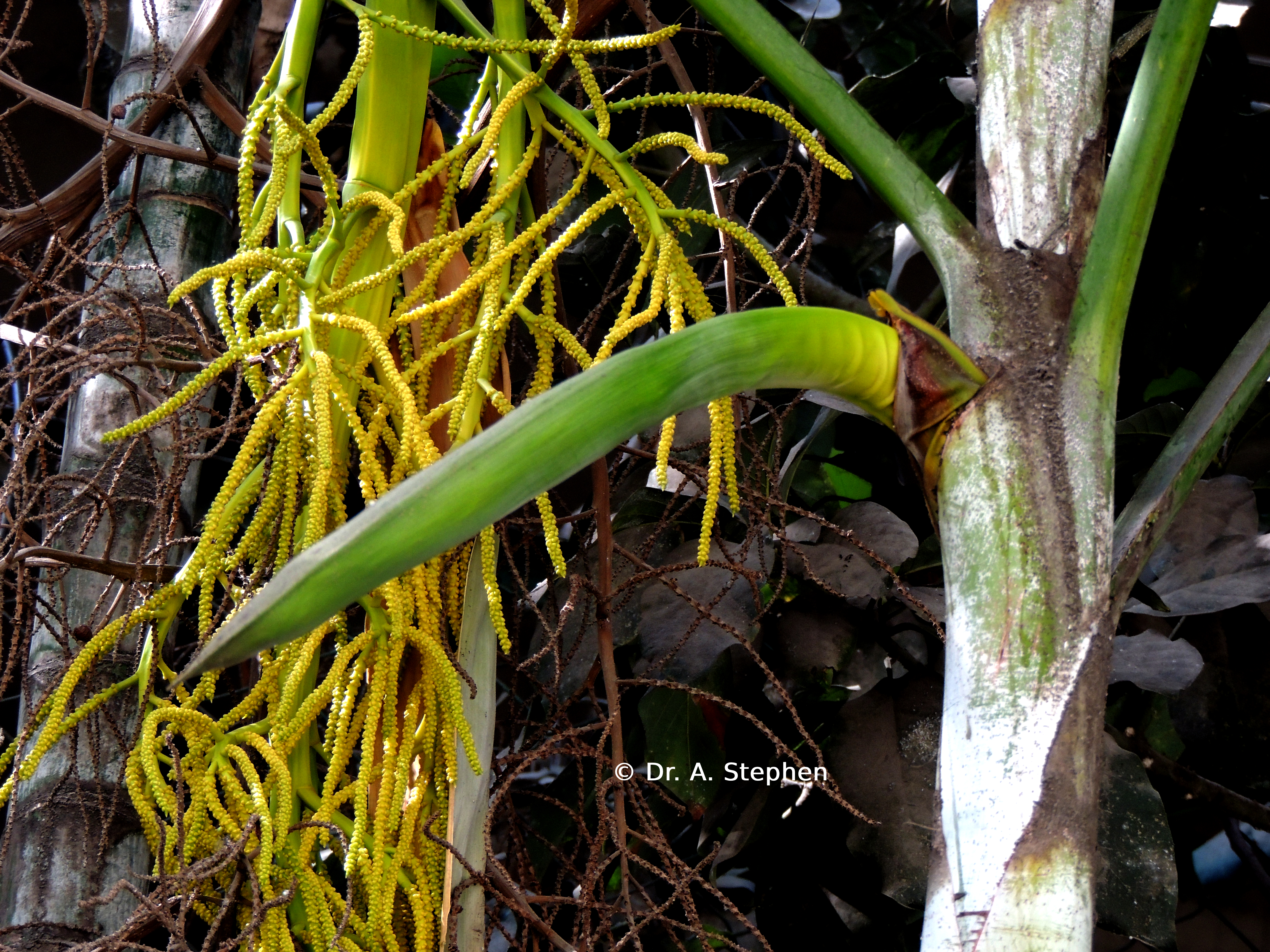
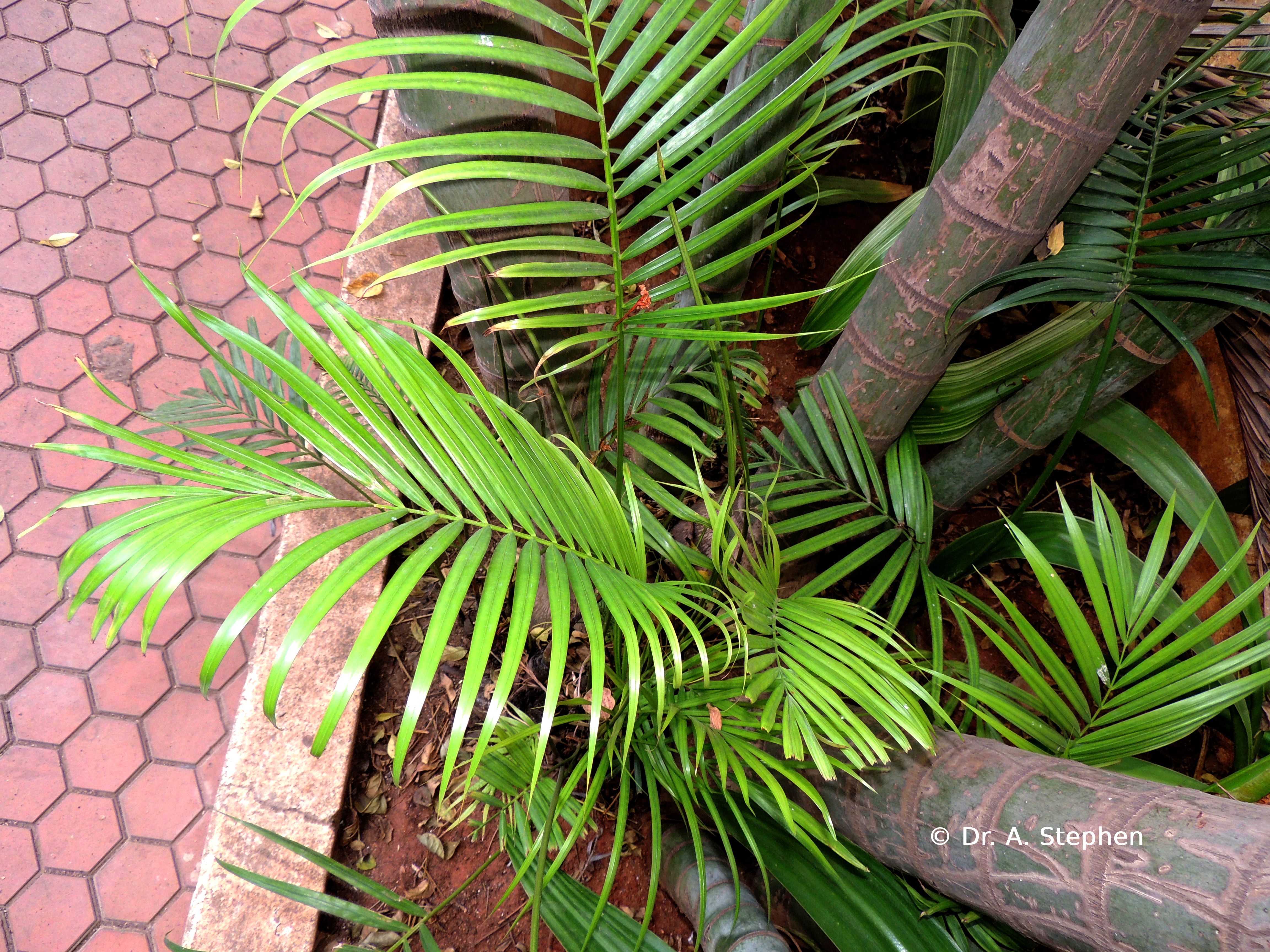
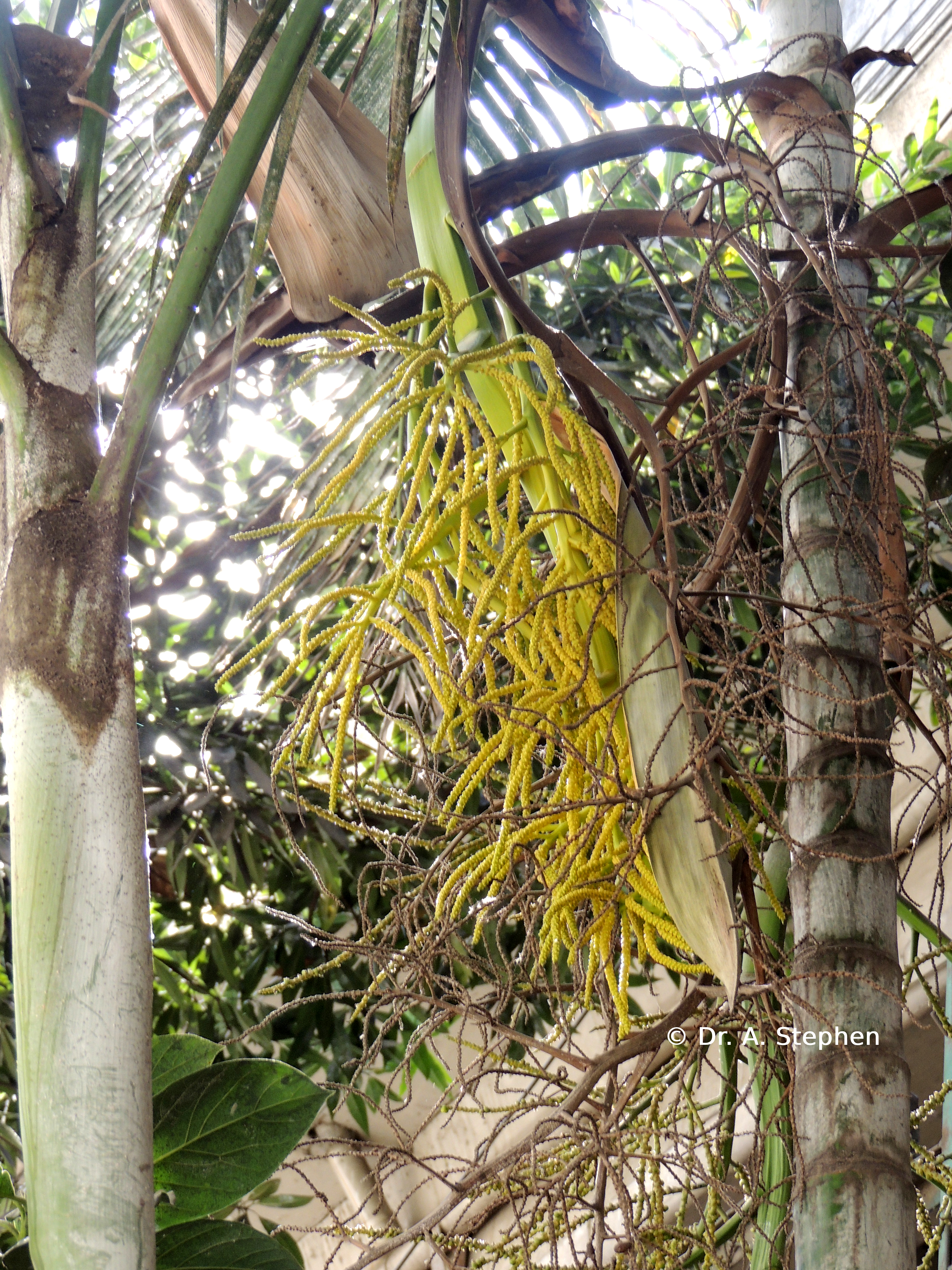
Dypsis lutescens
-
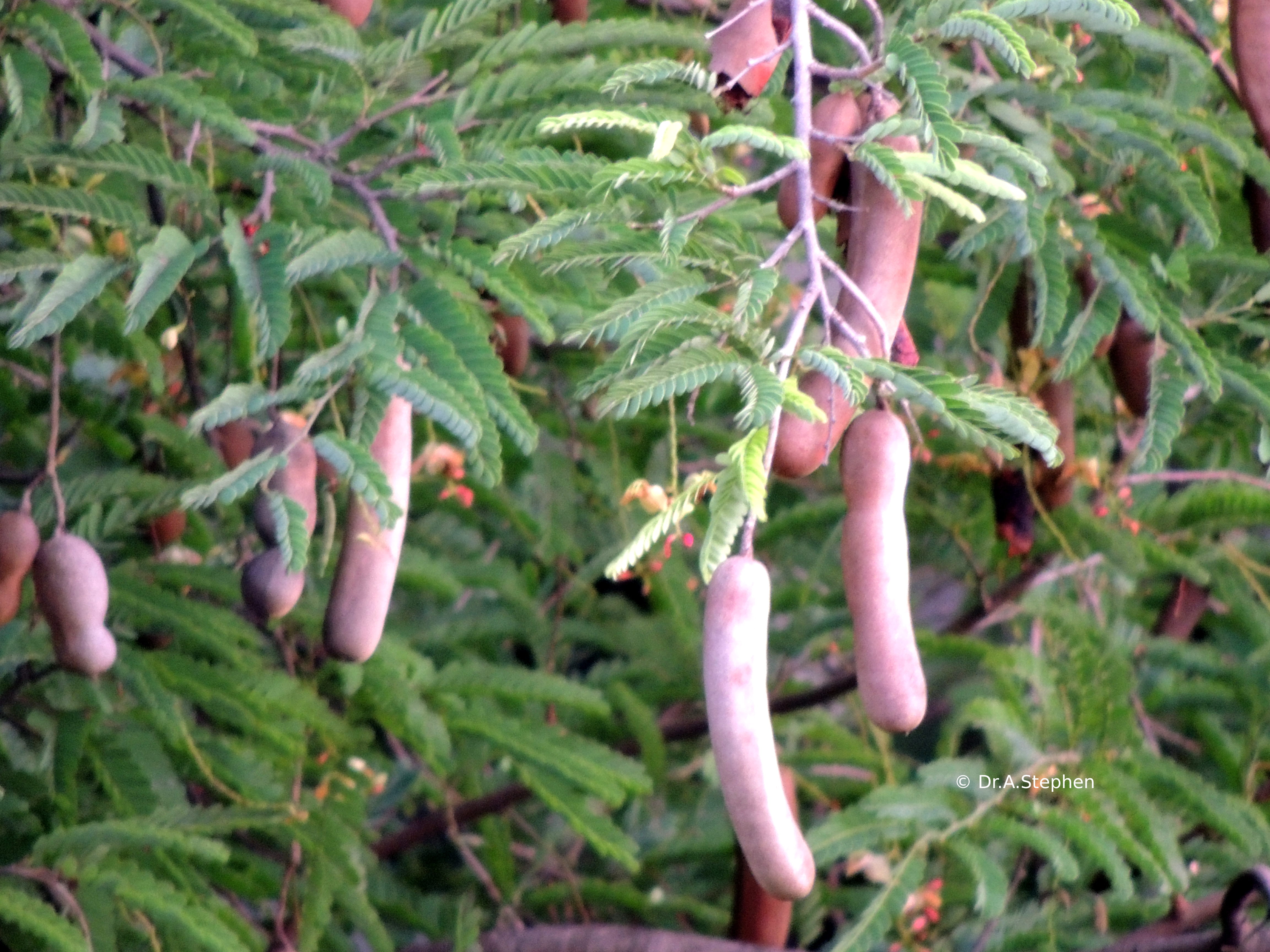
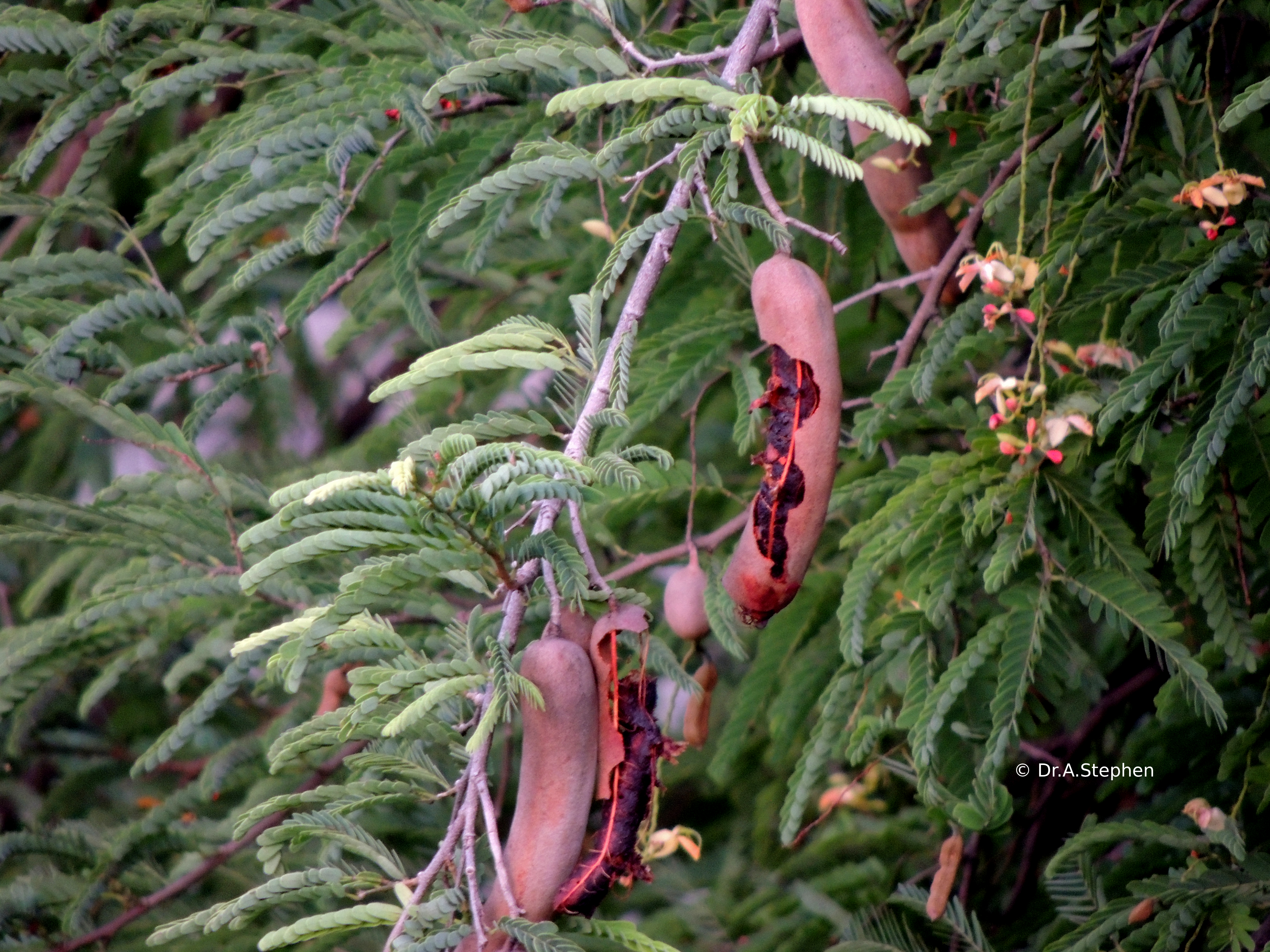
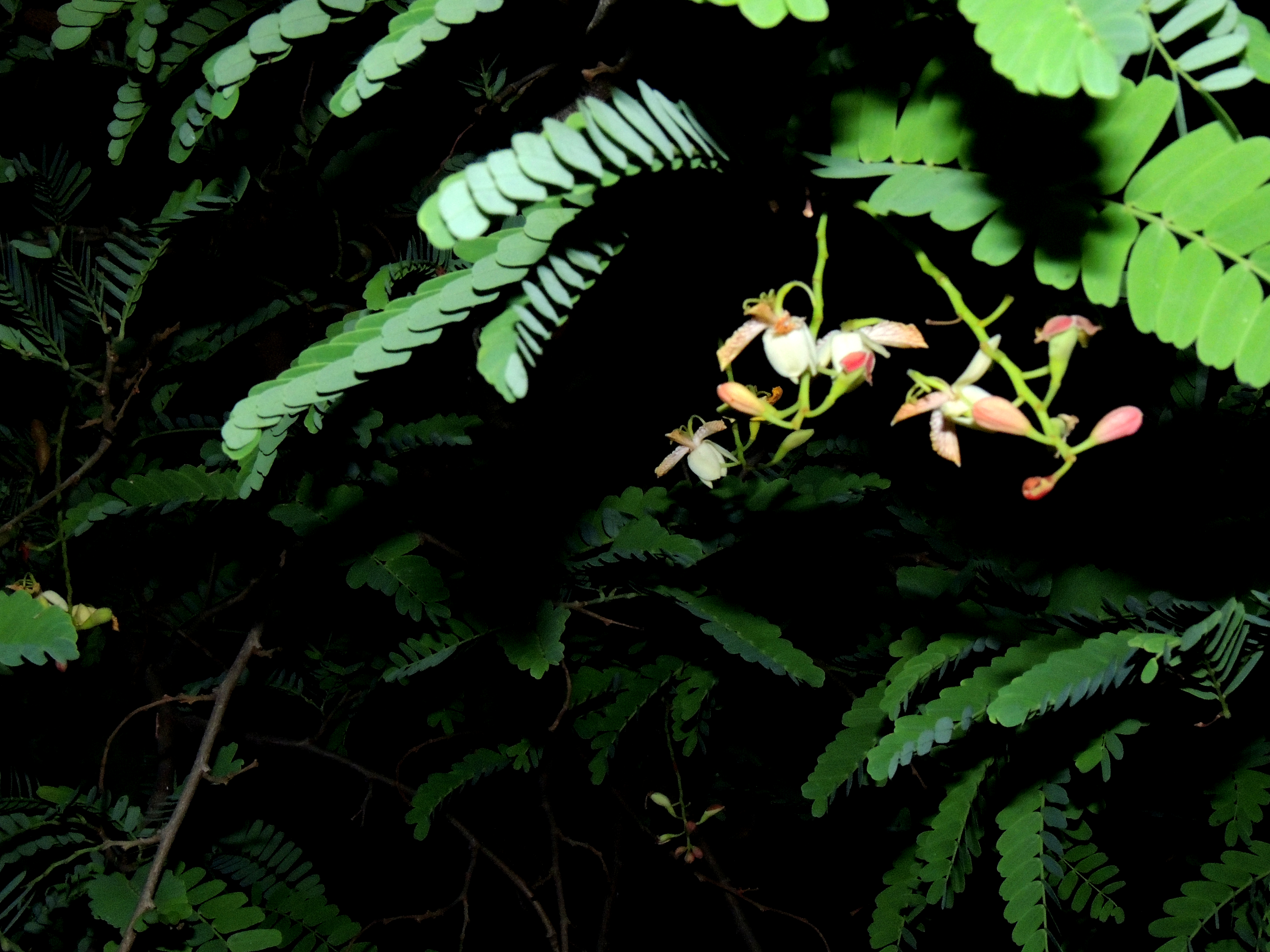
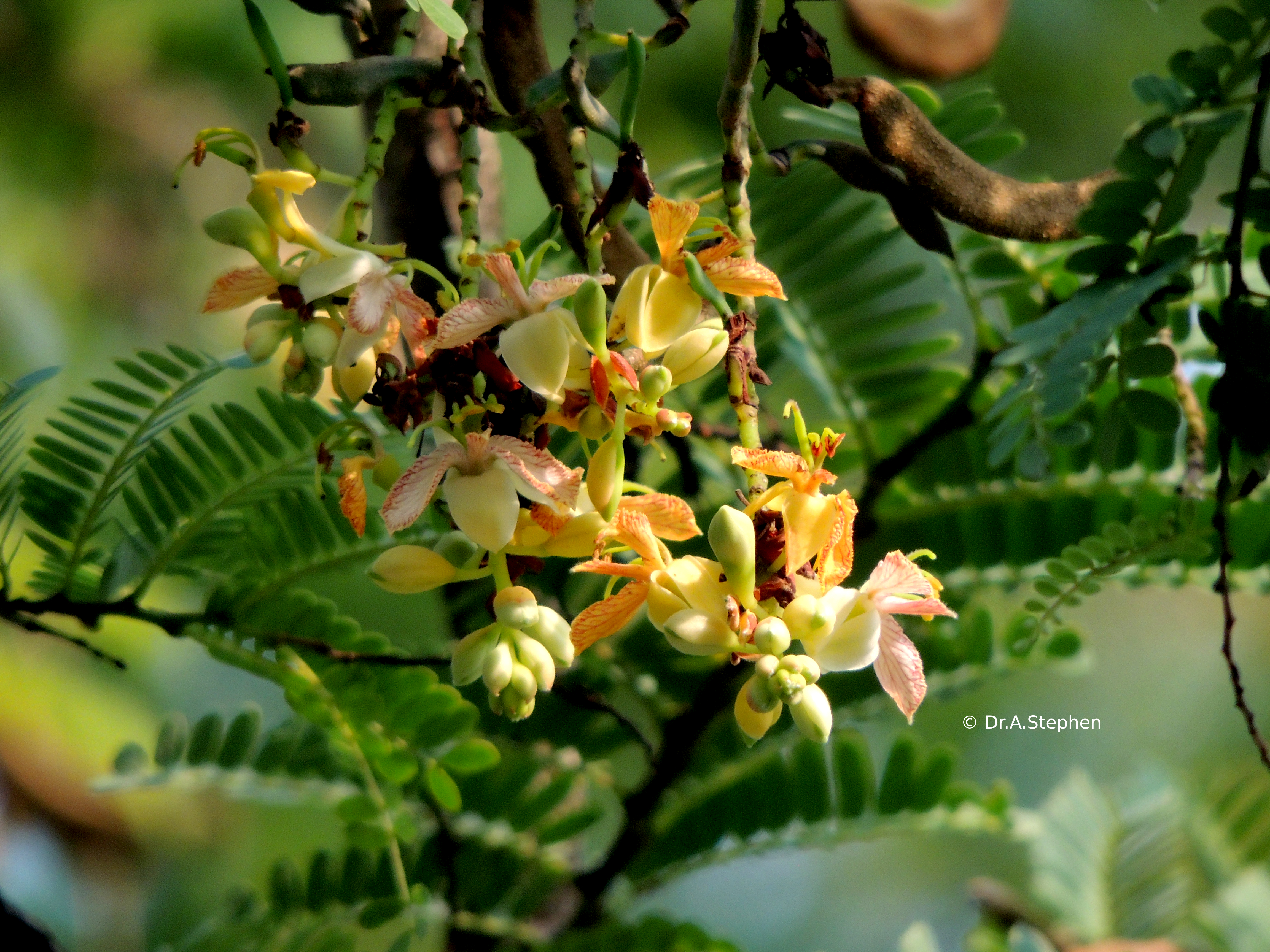
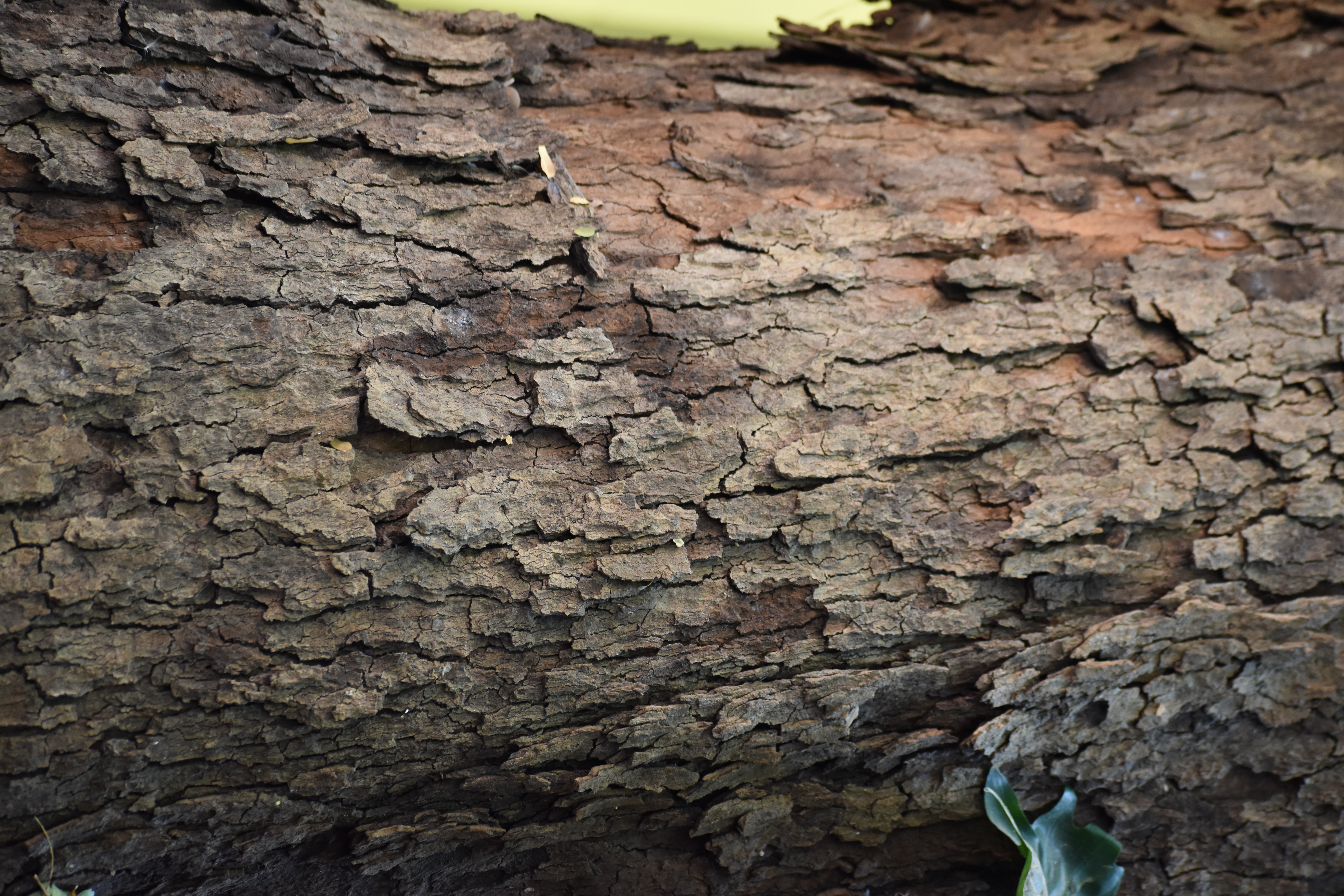
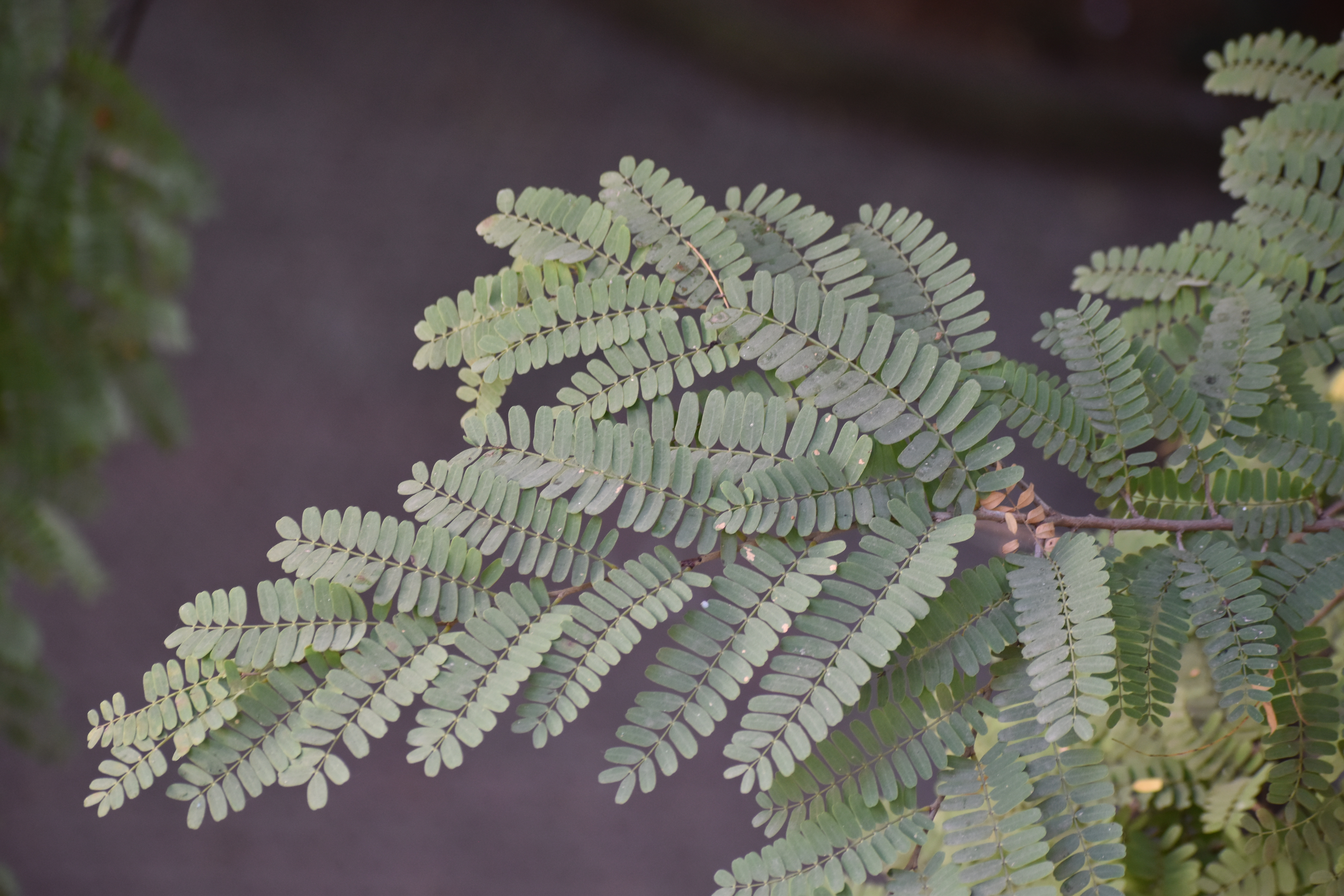
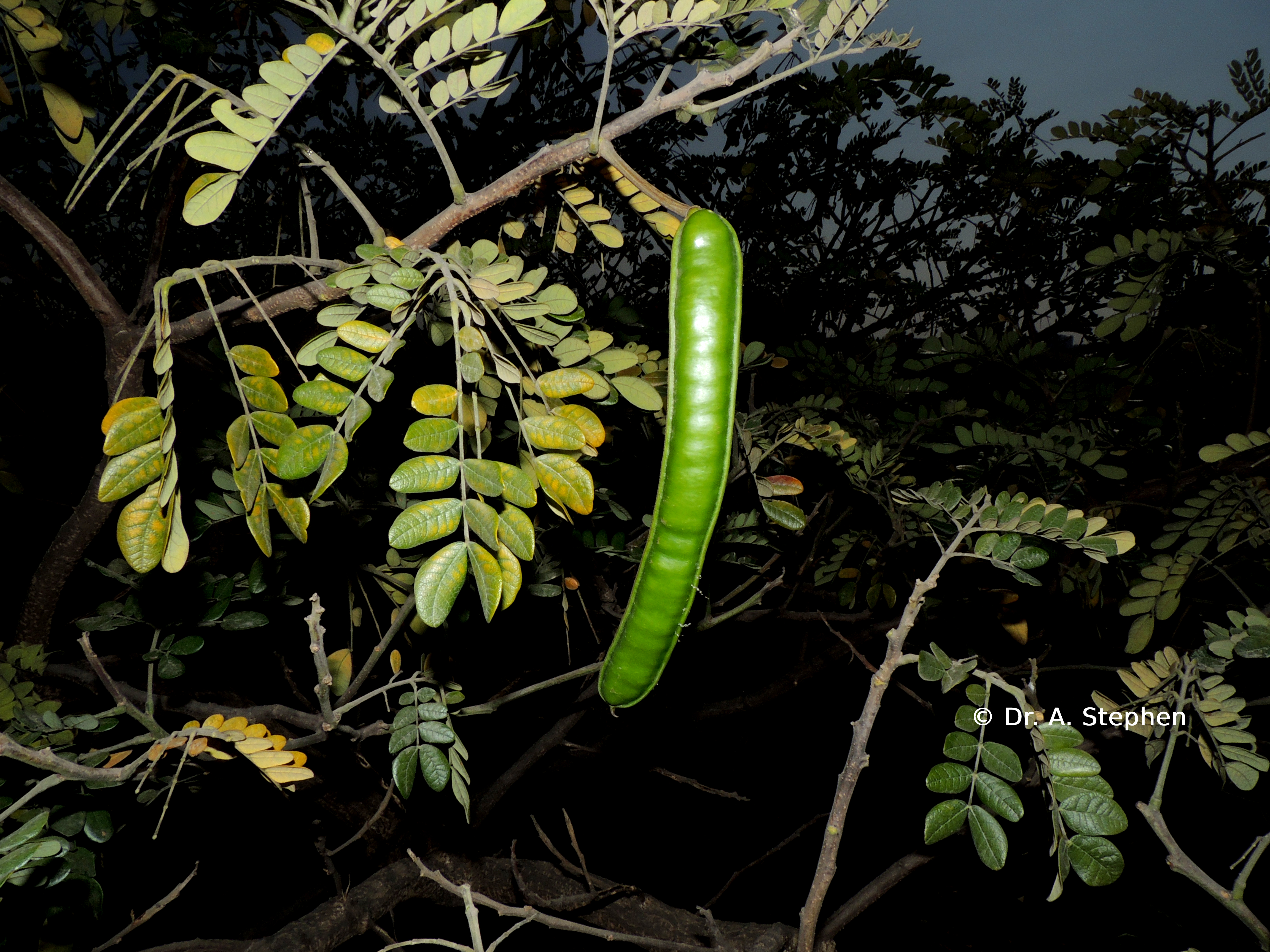
Tamarindus indica
ಹುಣಸೆಹಣ್ಣು
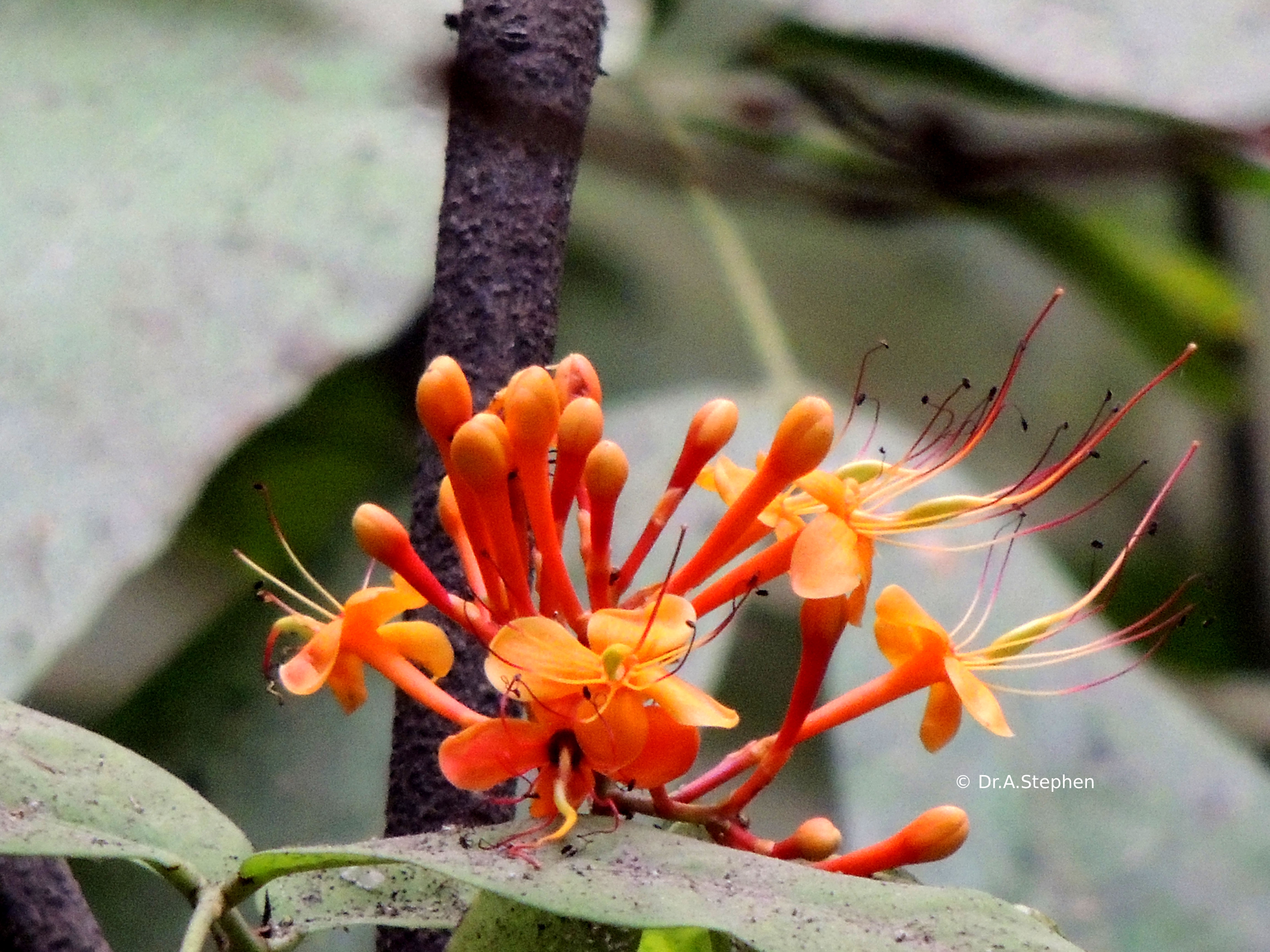
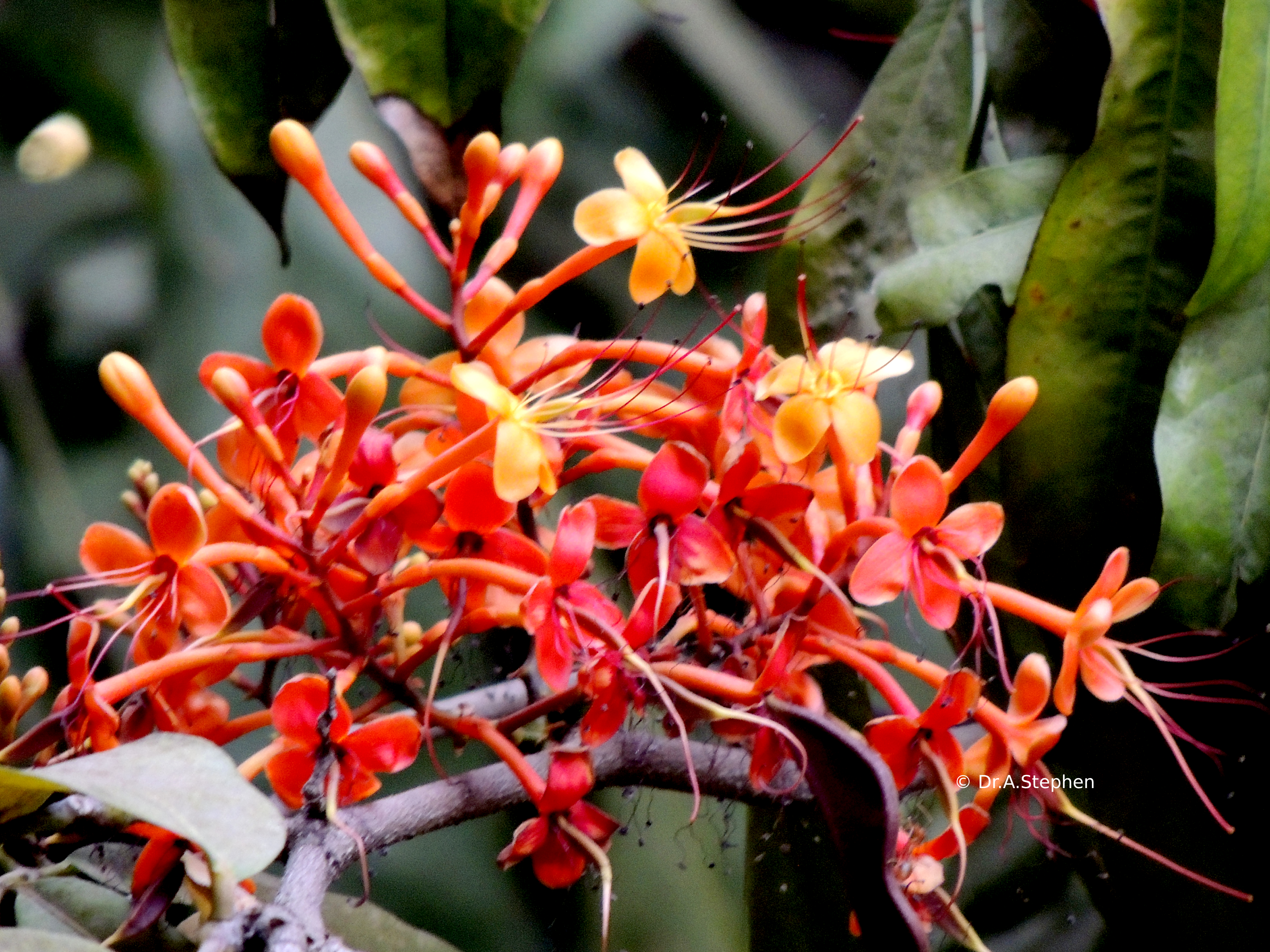
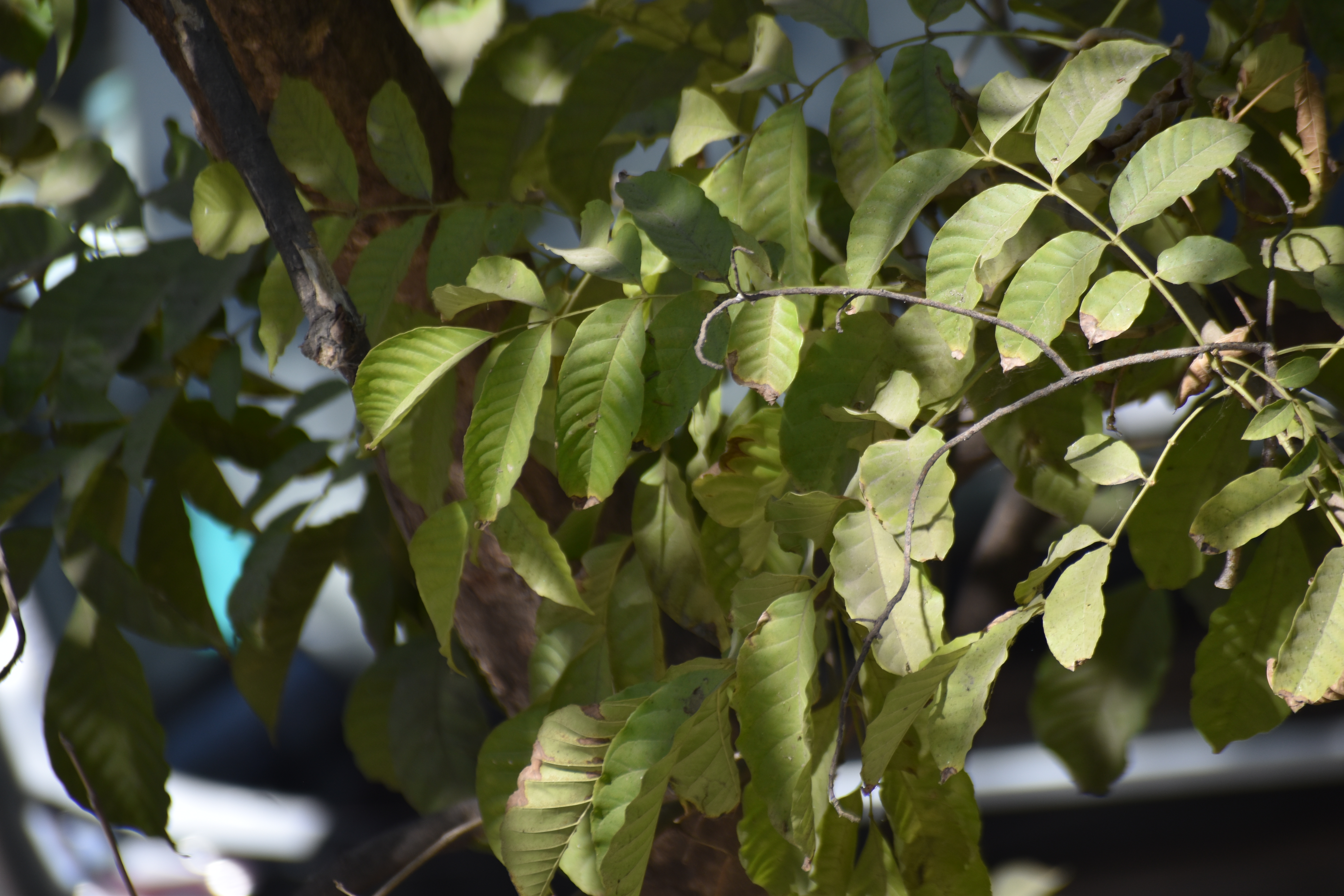
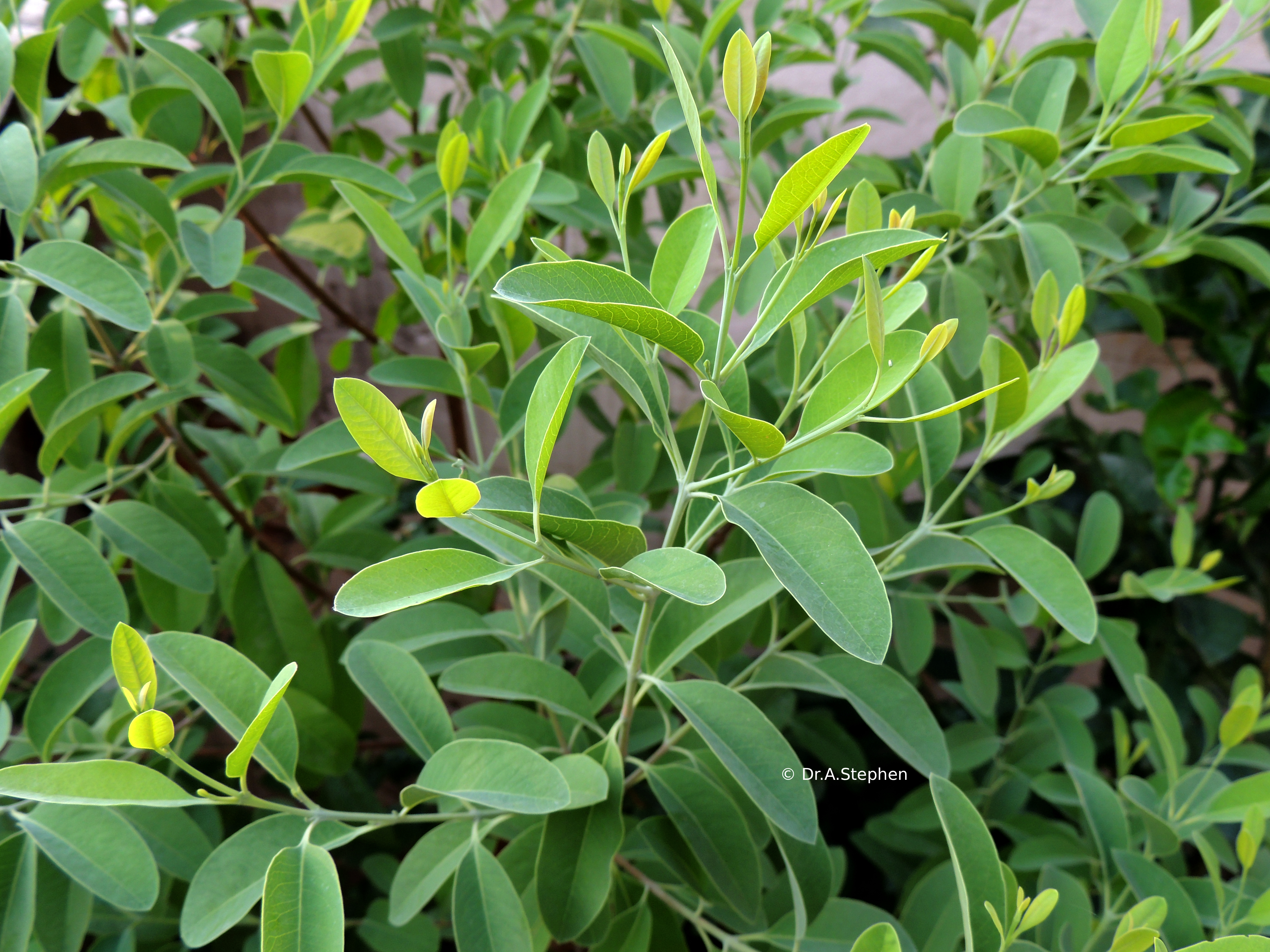
Saraca asoca
ಅಶೋಕ ವೃಕ್ಷ
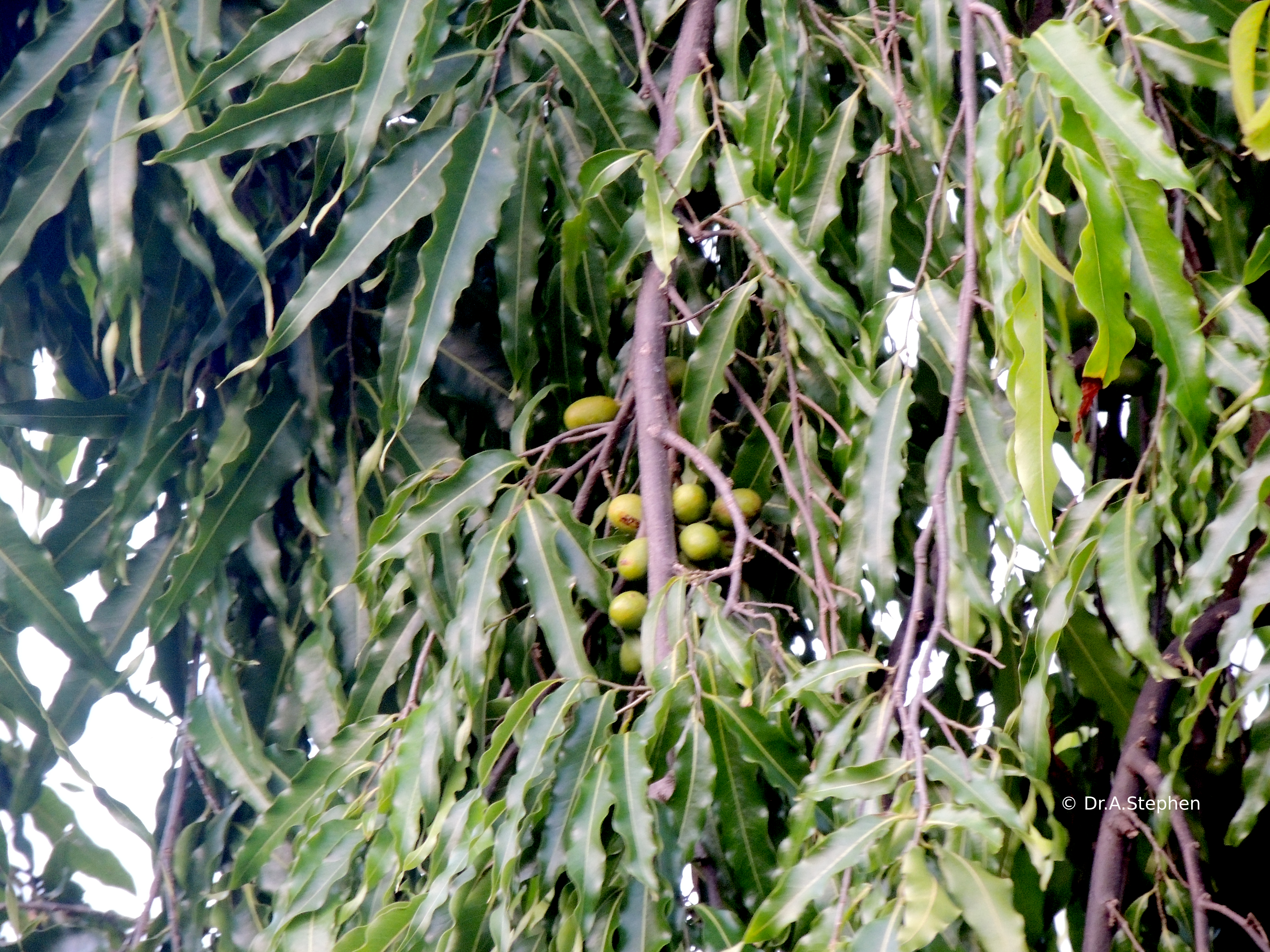
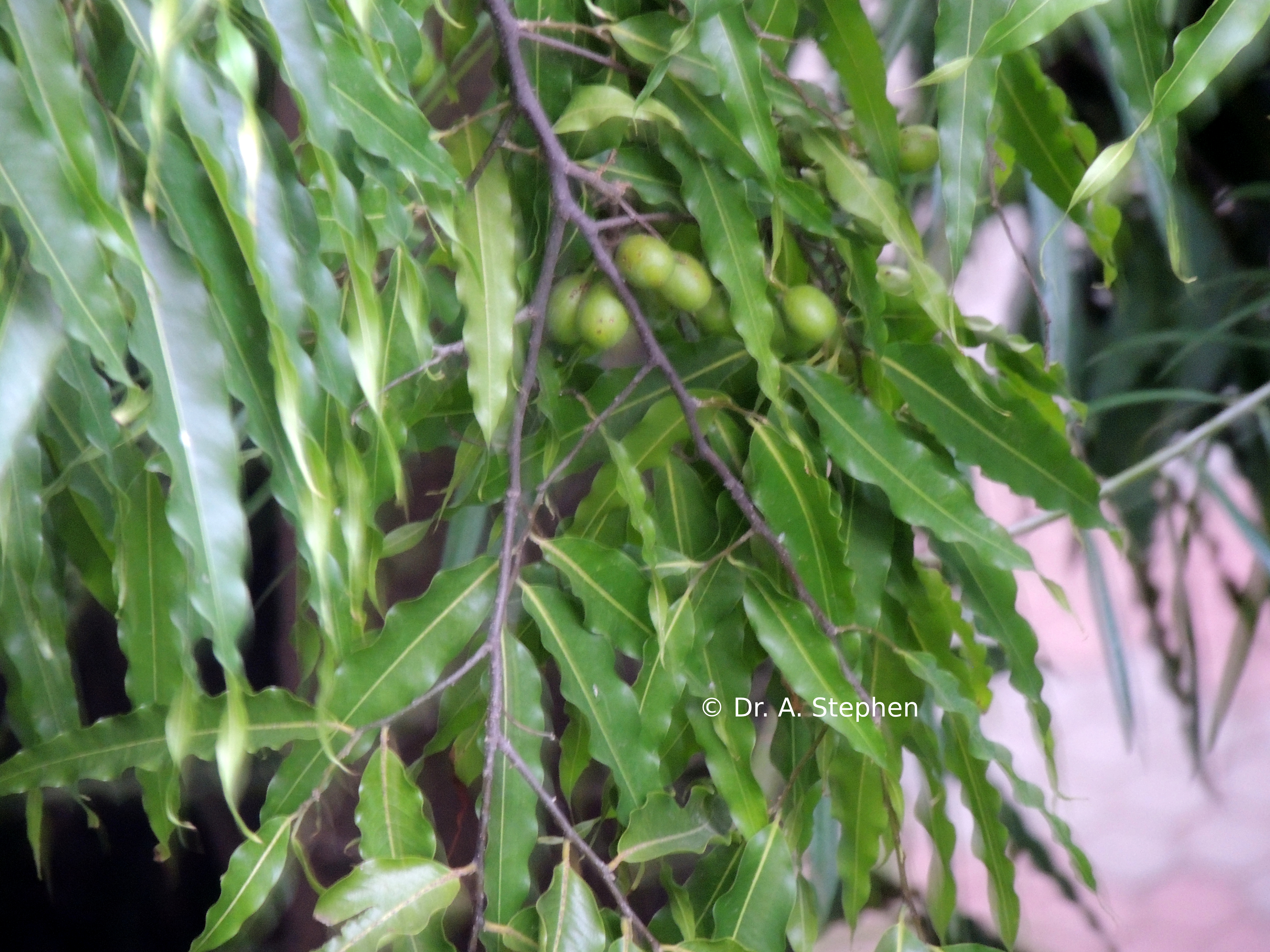
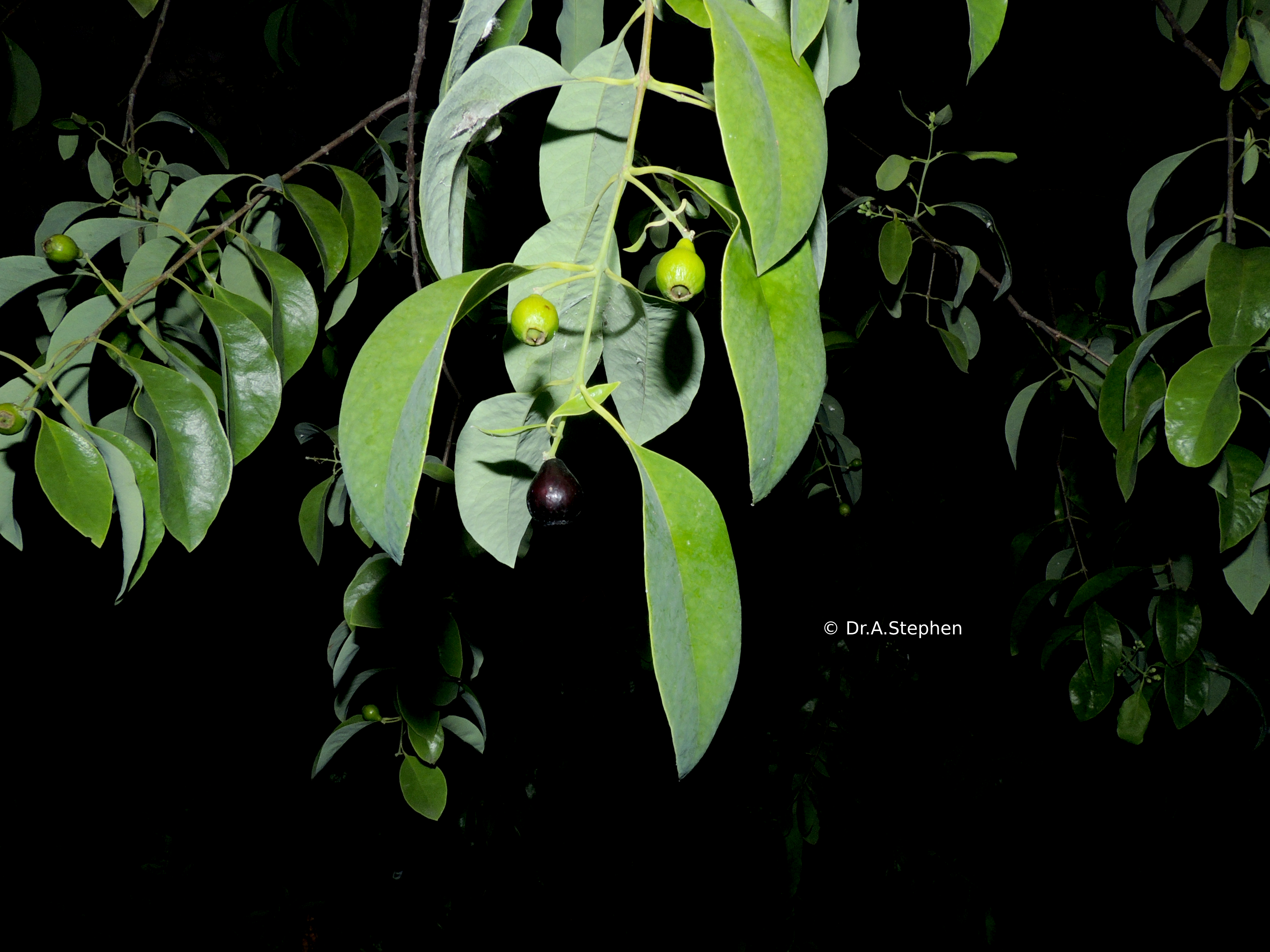
Monoon longifolium
ಕಂಬದಮರ
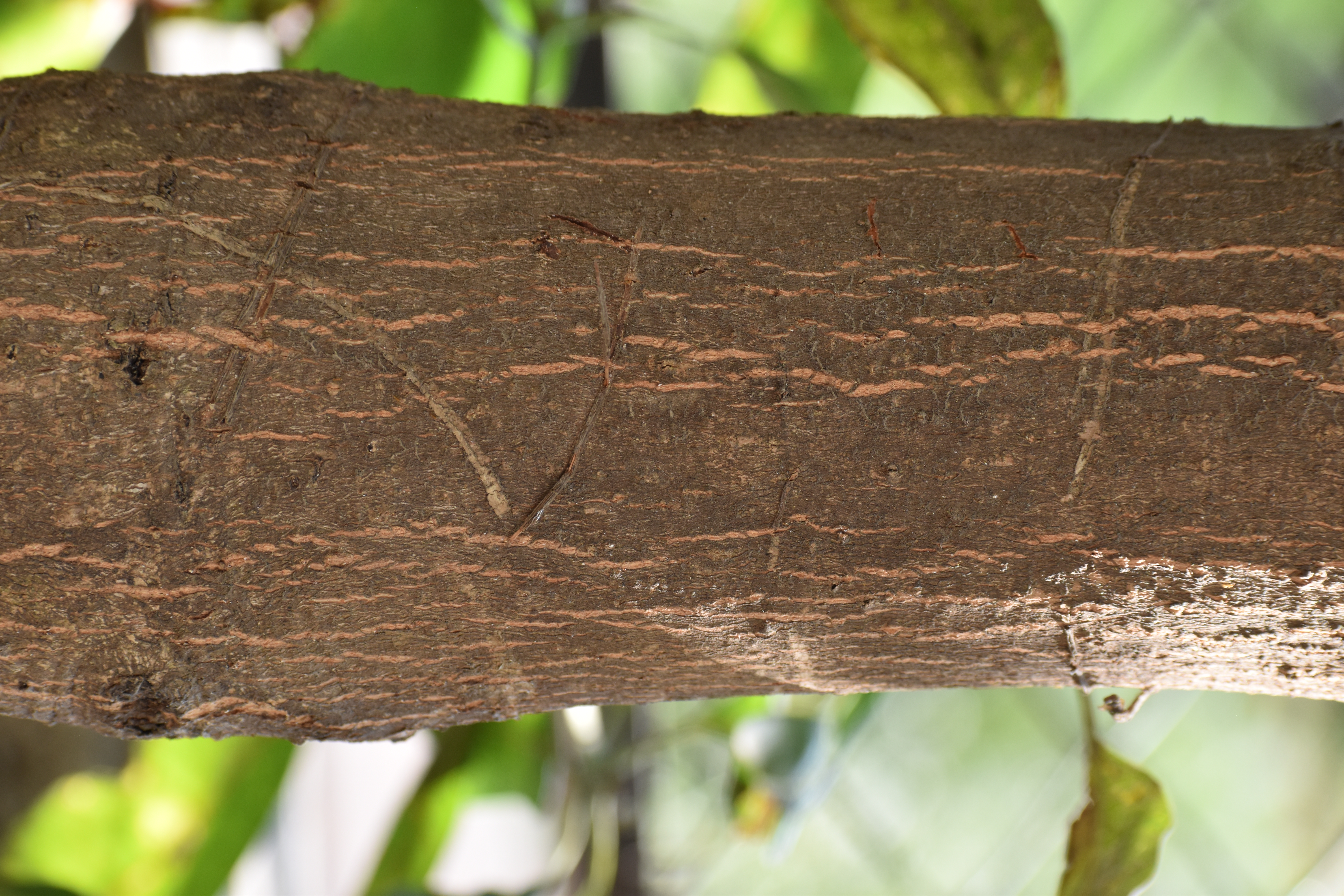
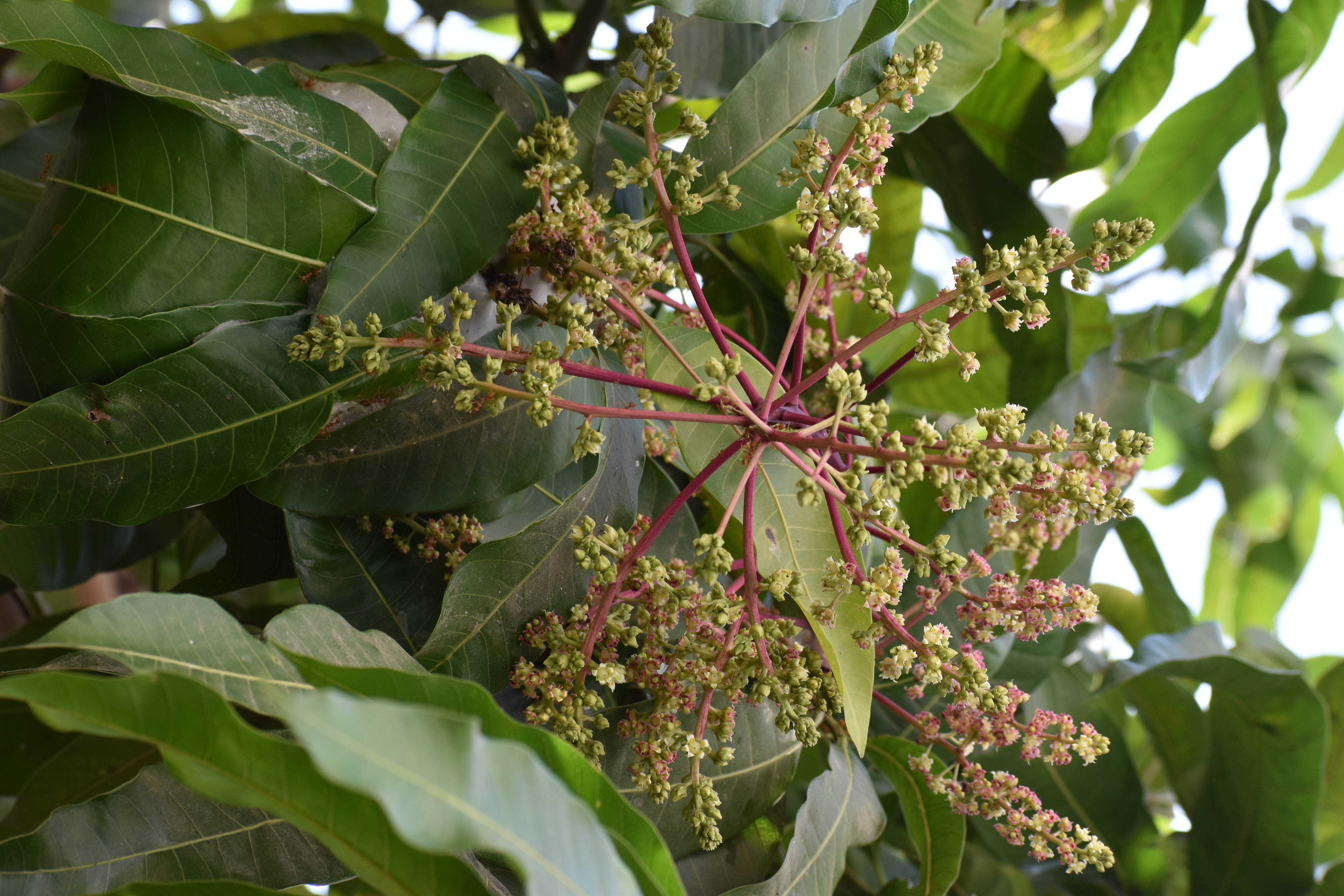
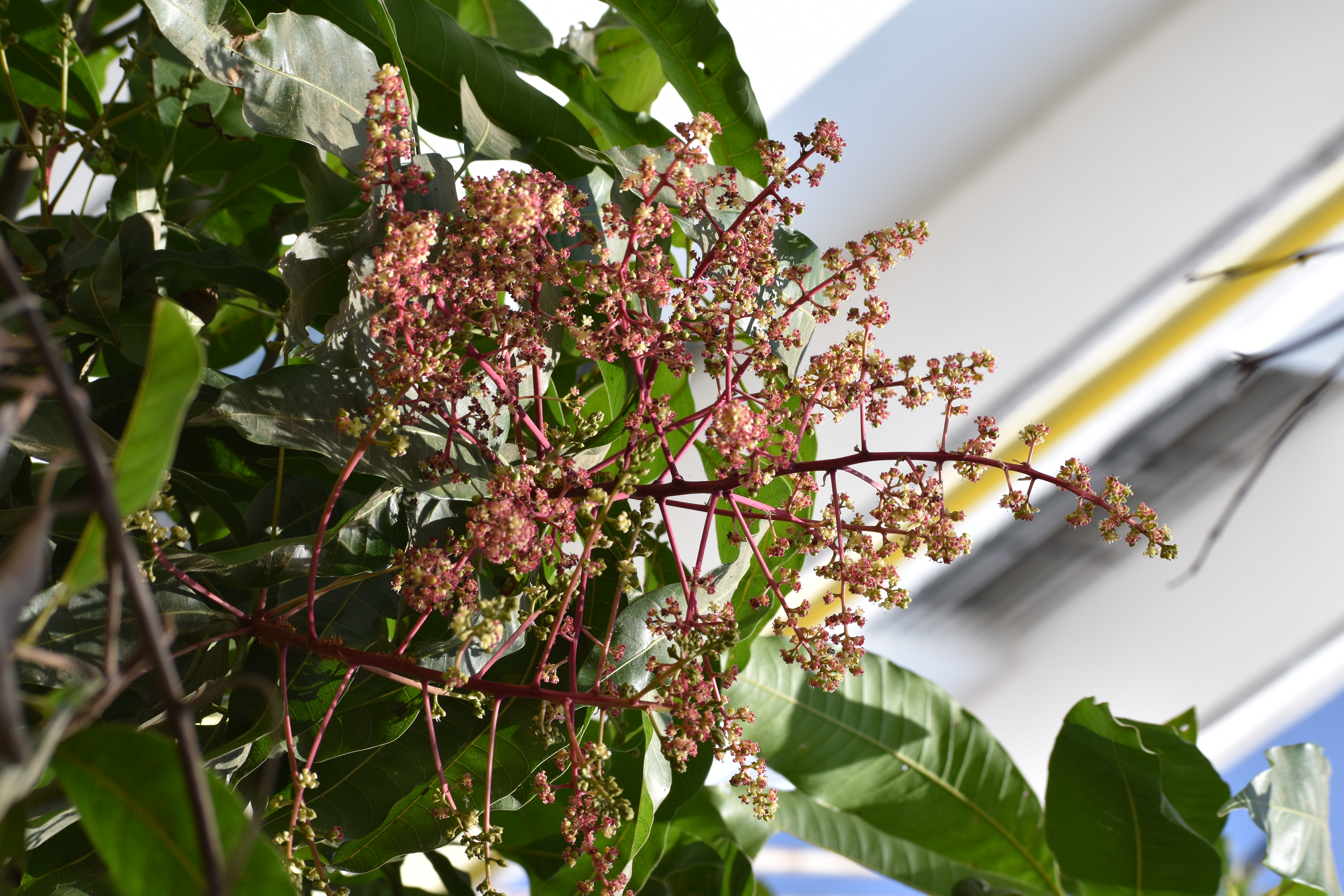
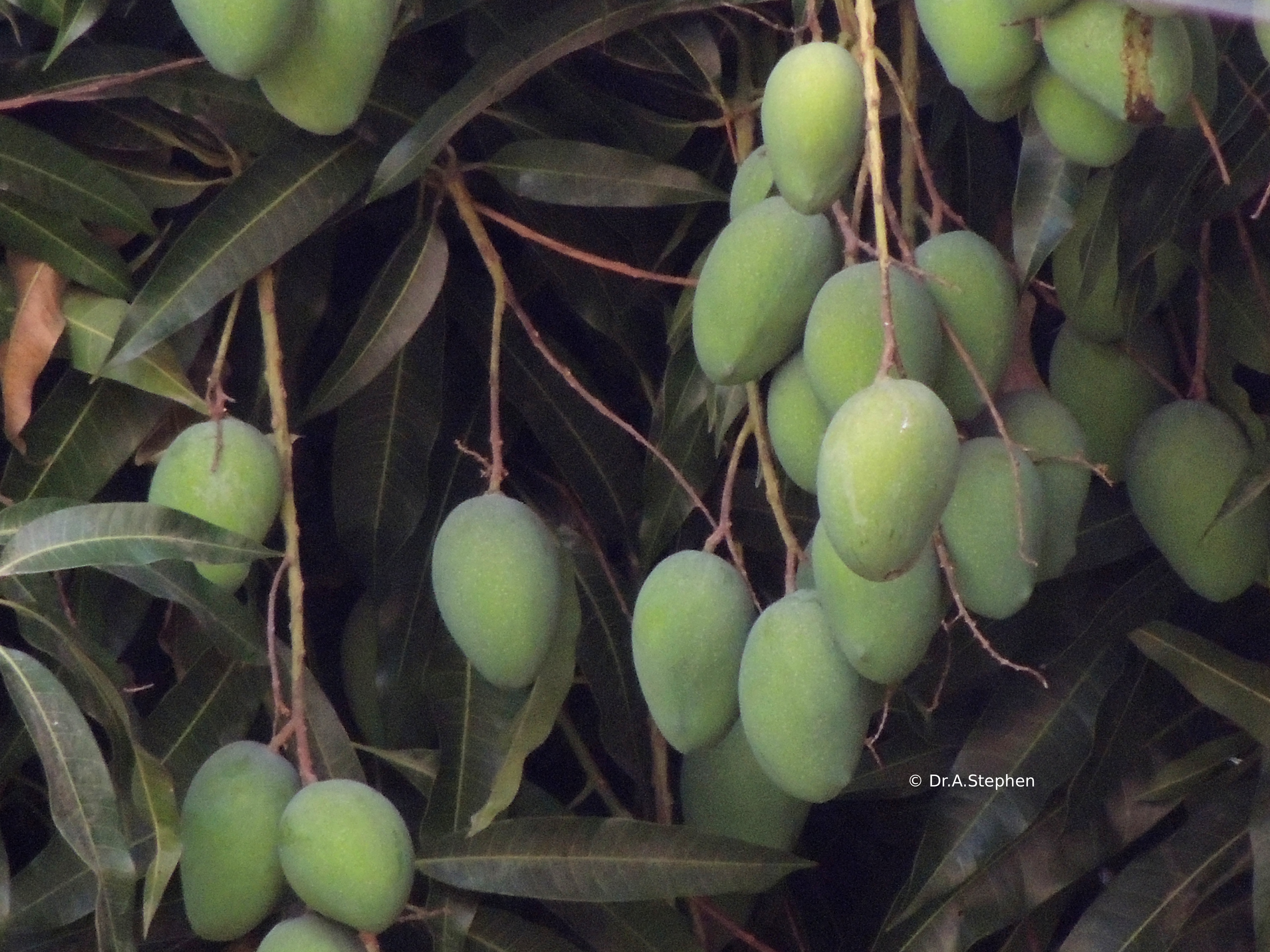
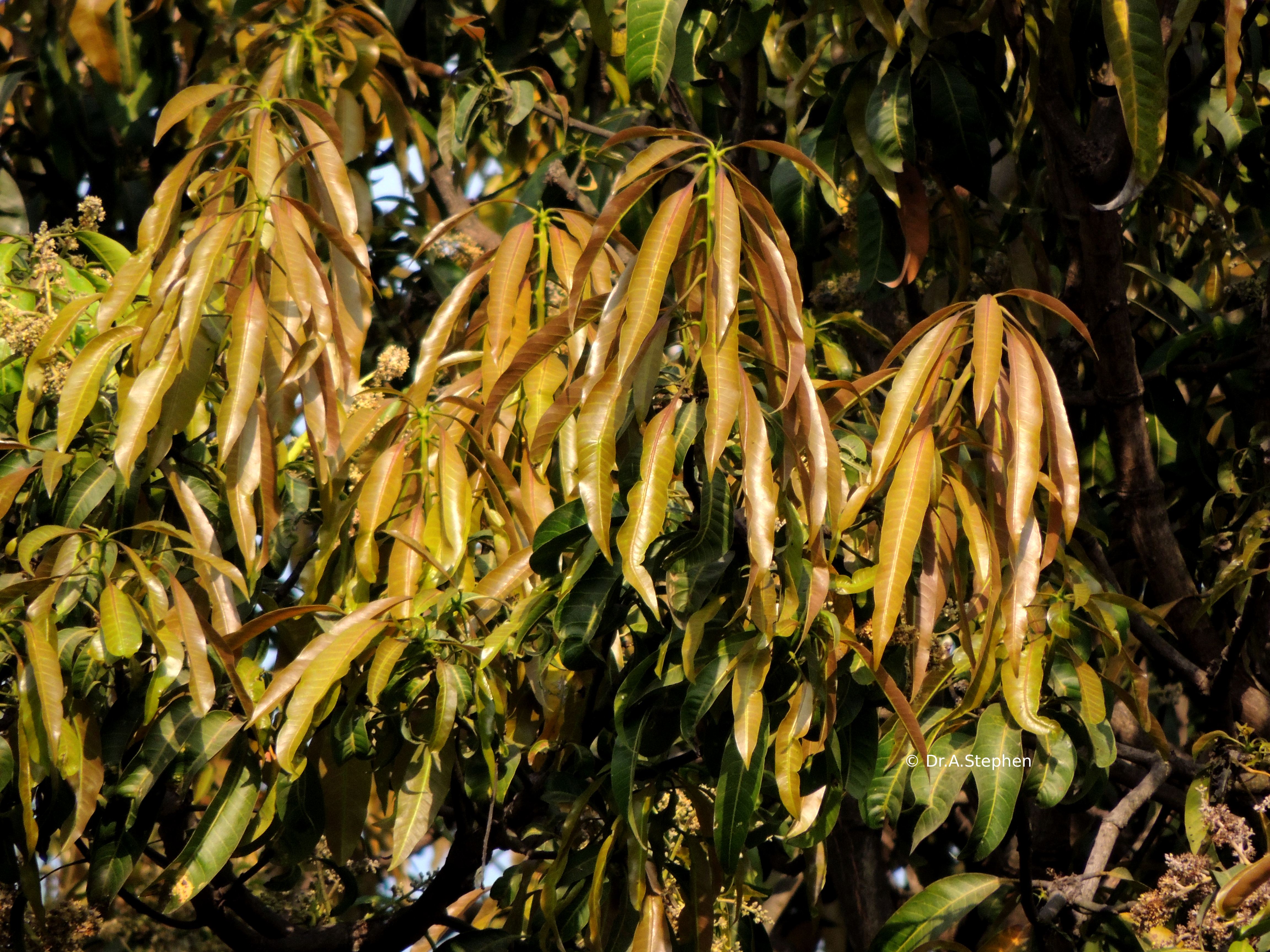
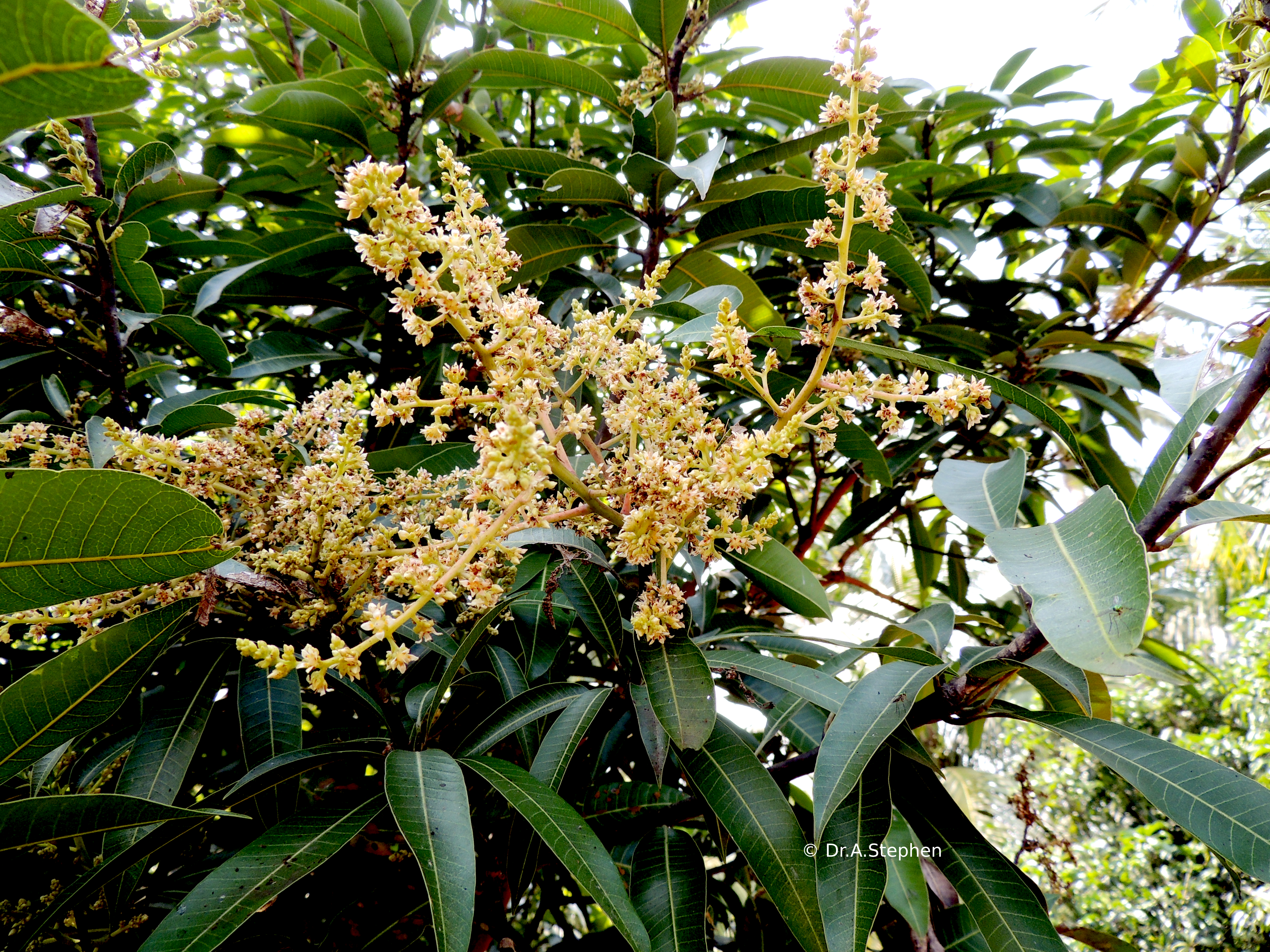
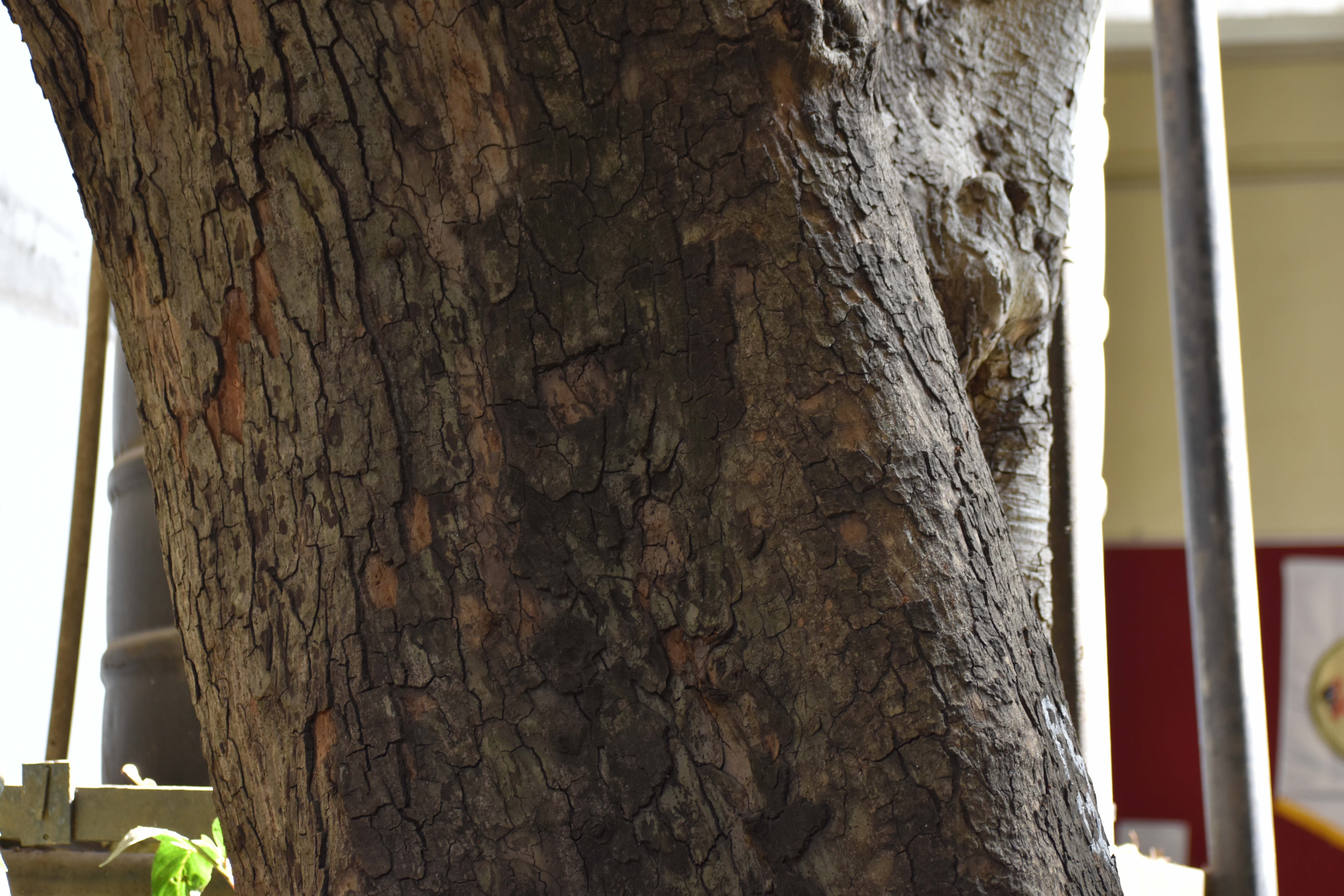
Mangifera indica
ಮಾವಿನ ಮರ
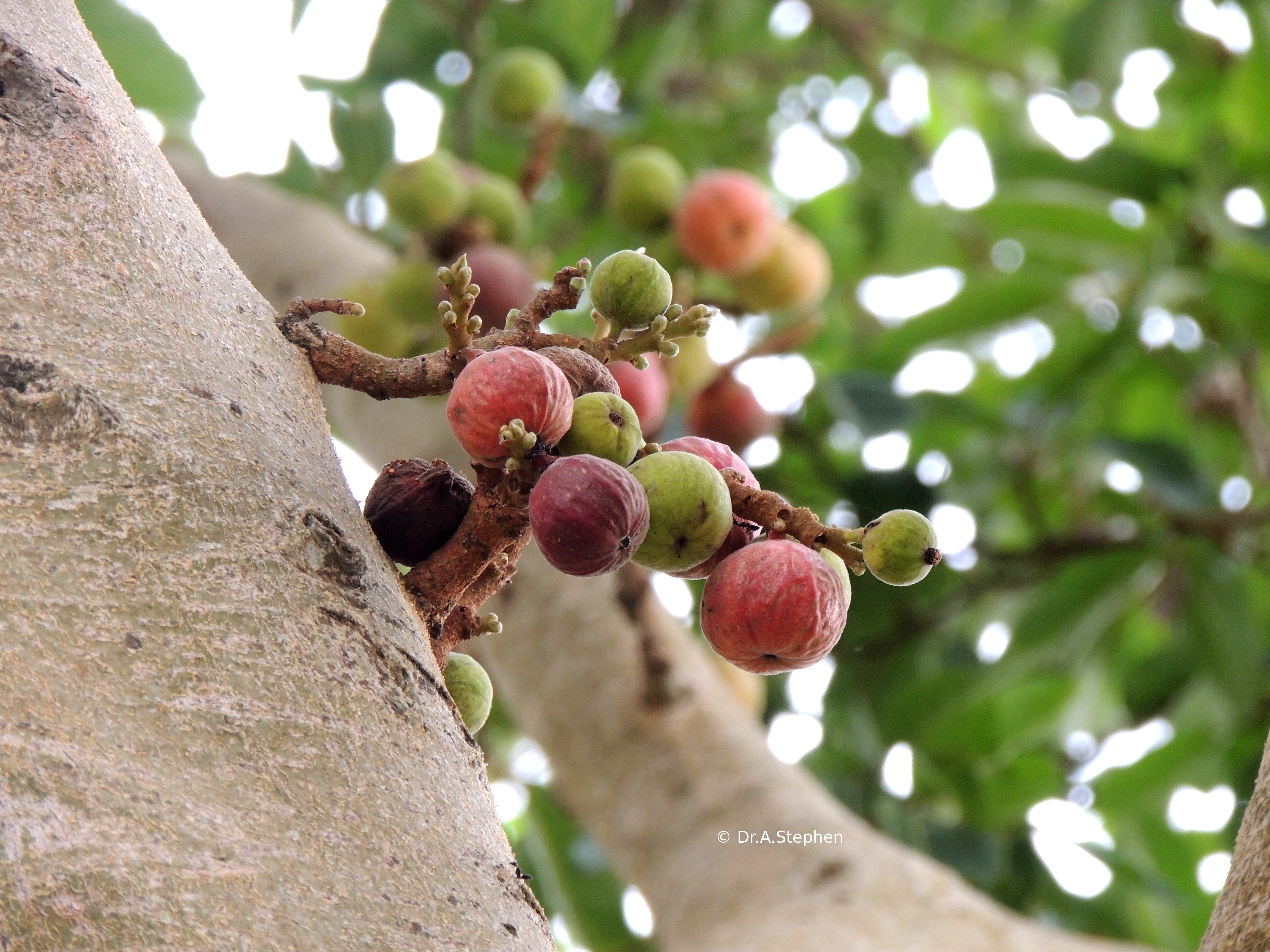
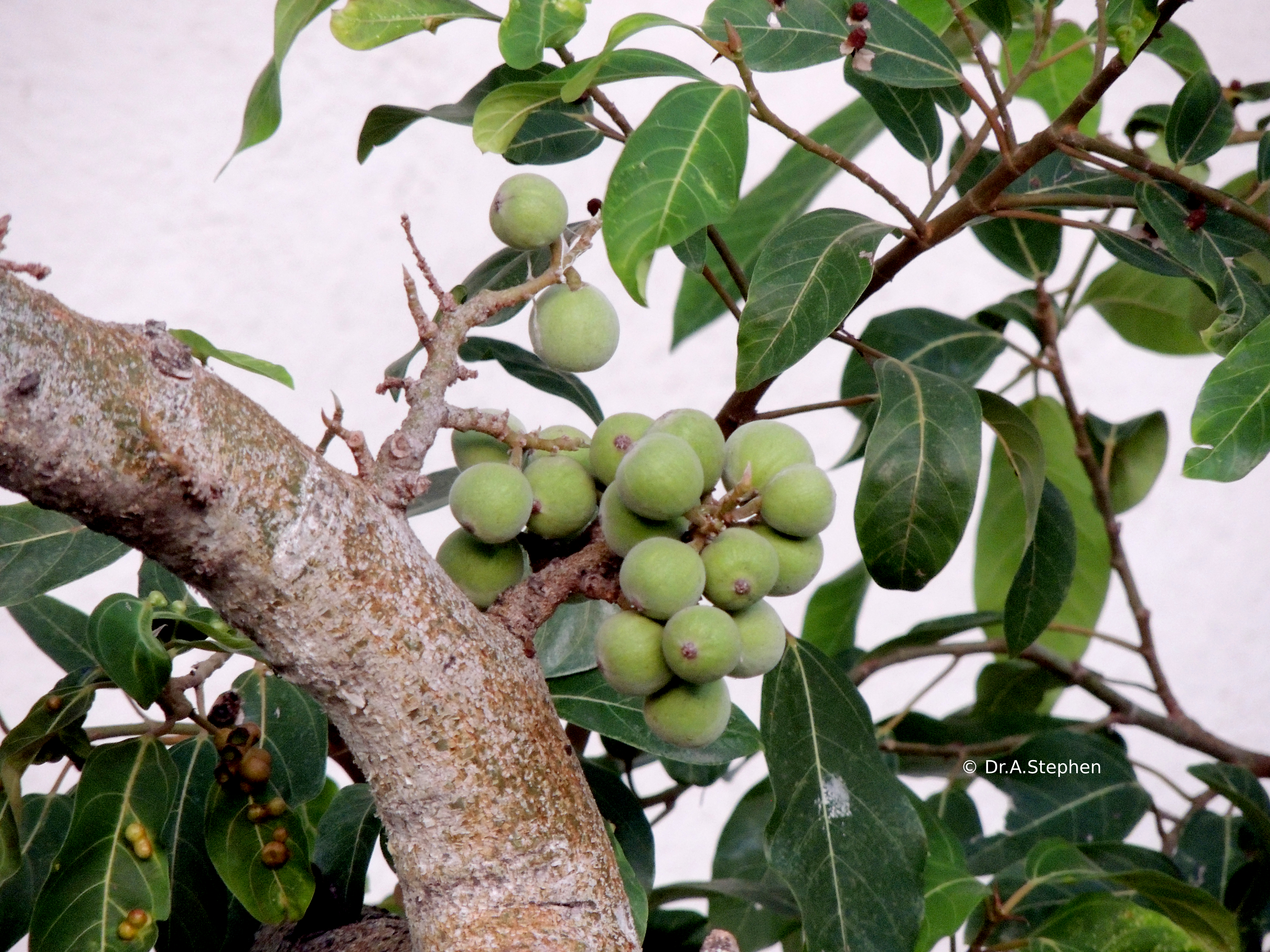
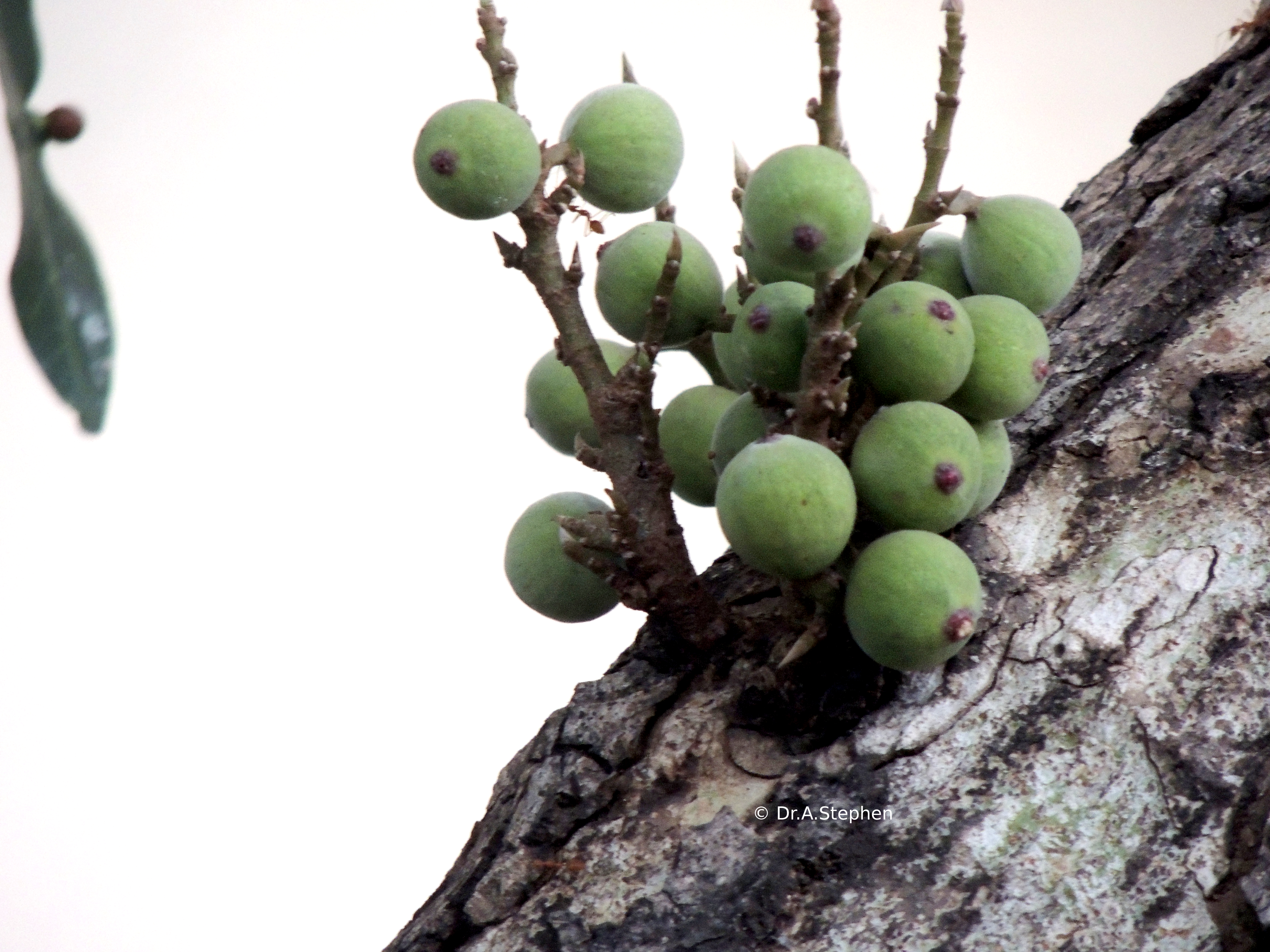
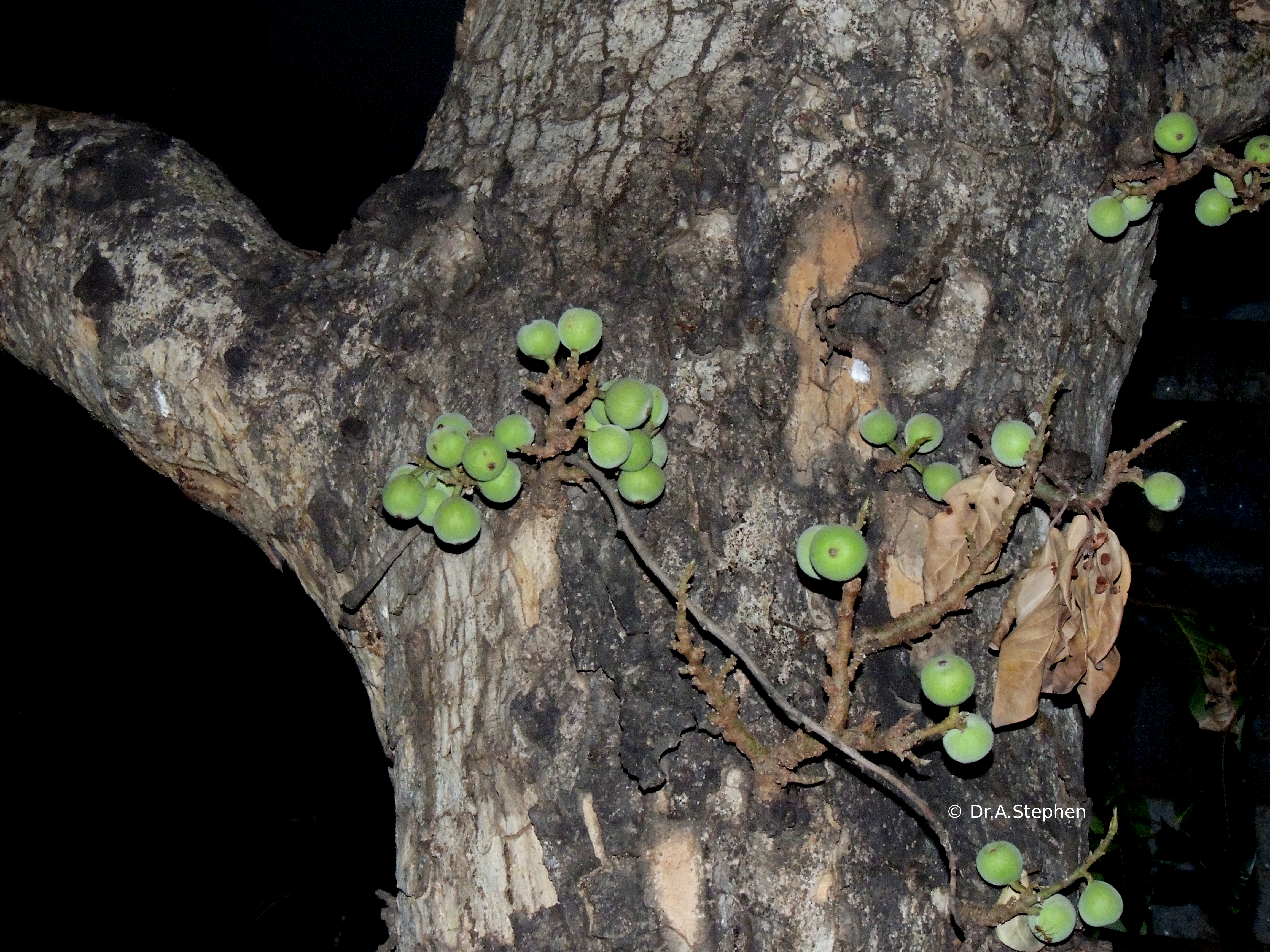
Ficus racemosa
ಅತ್ತಿಮರ
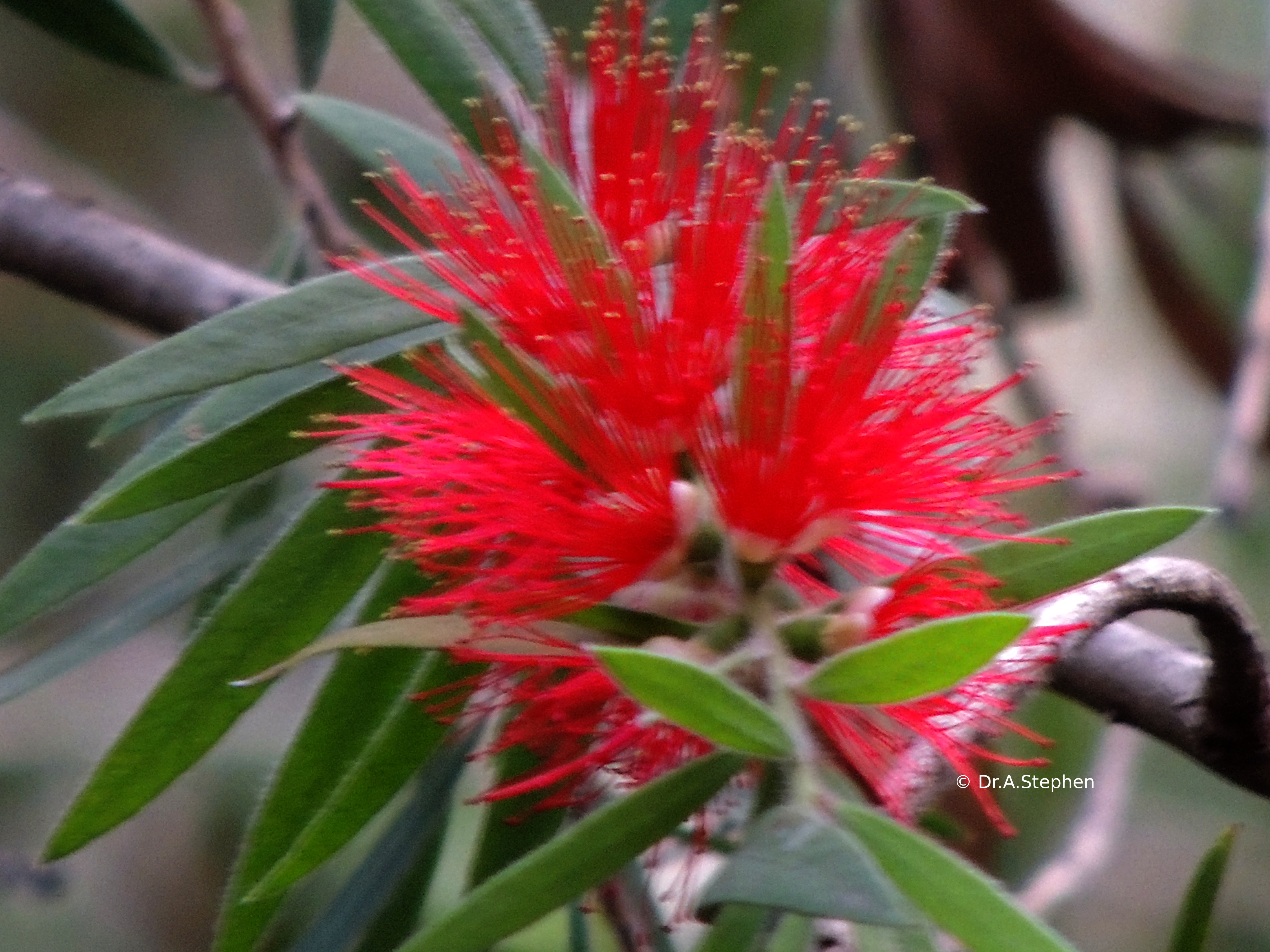
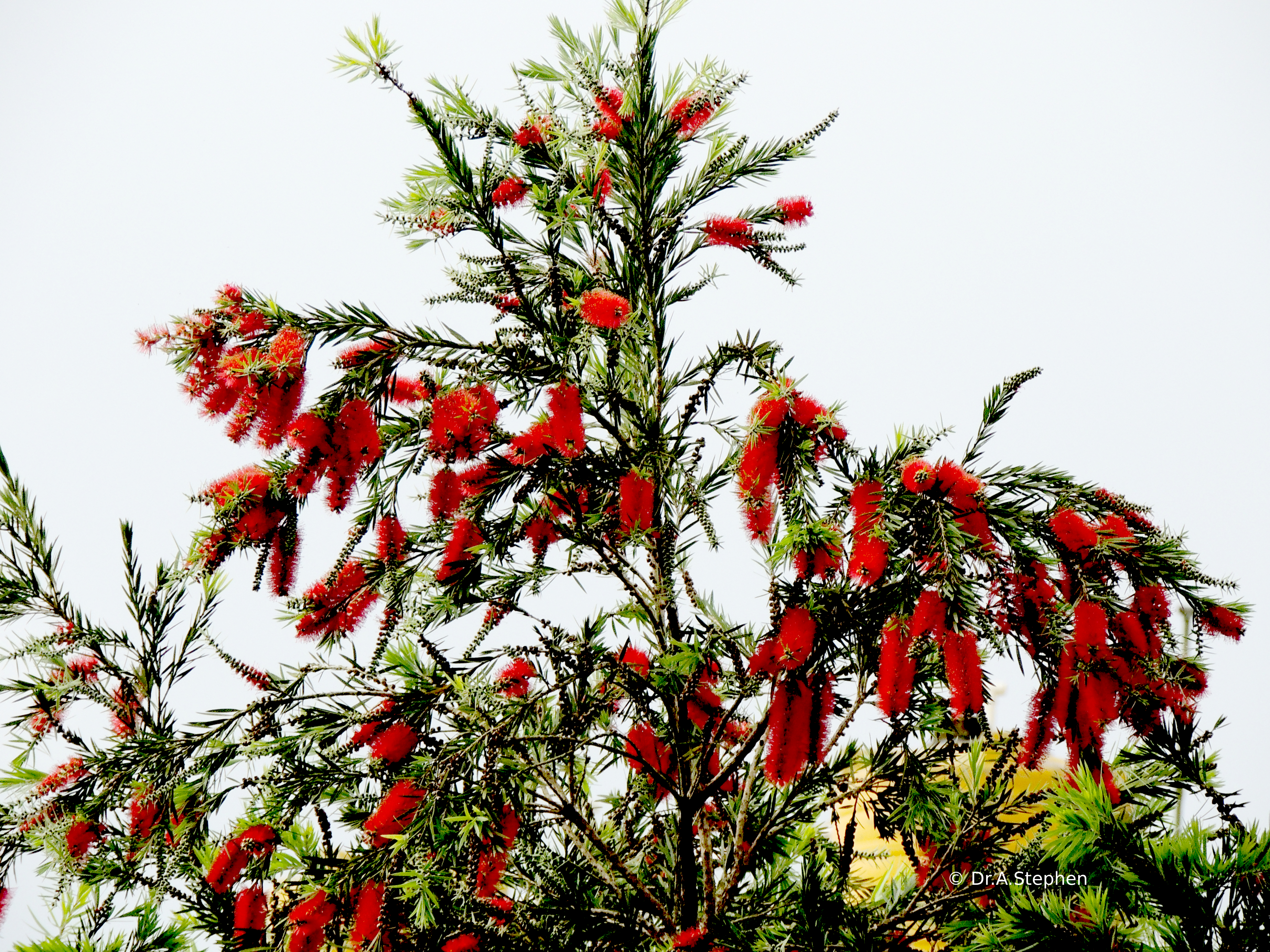
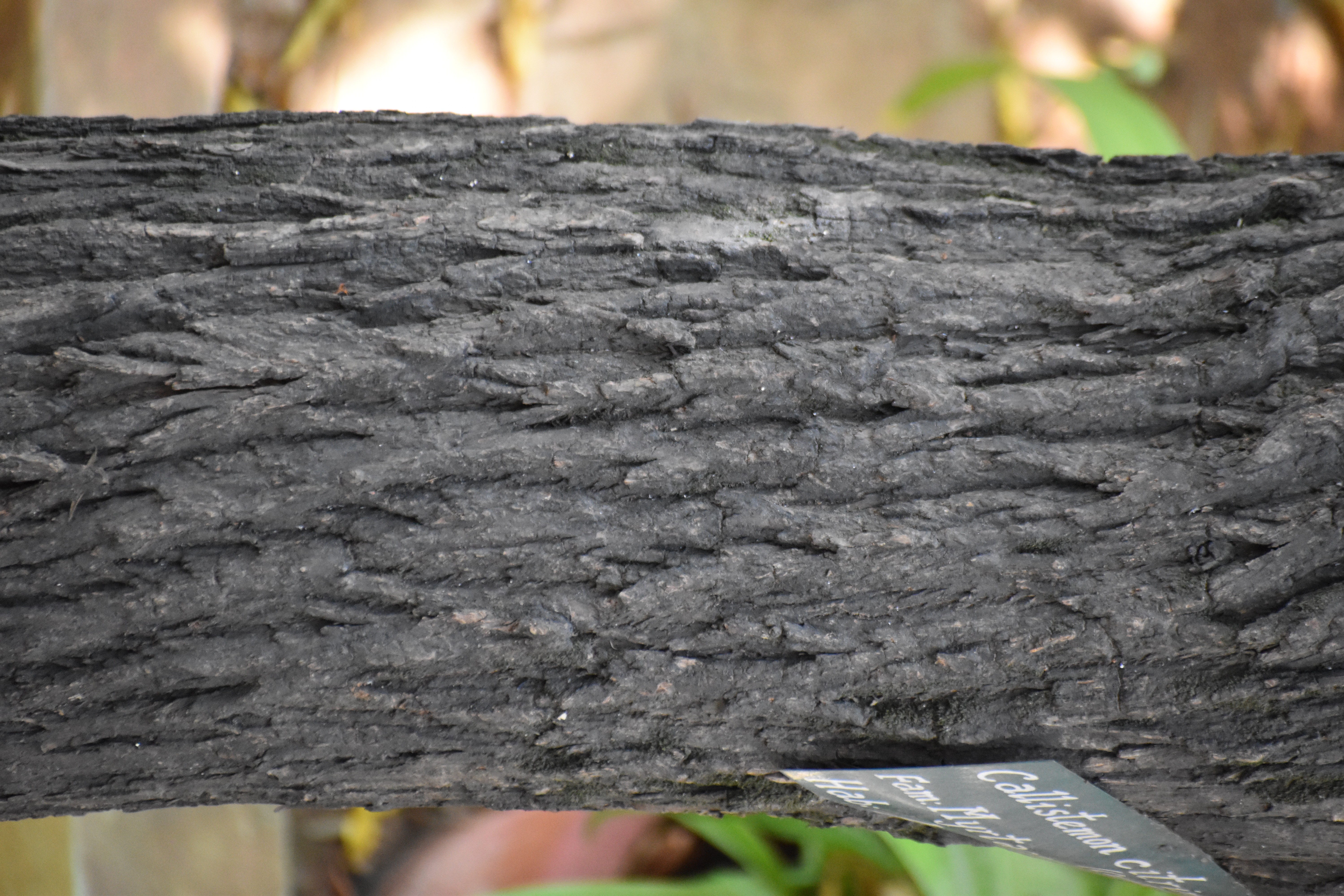
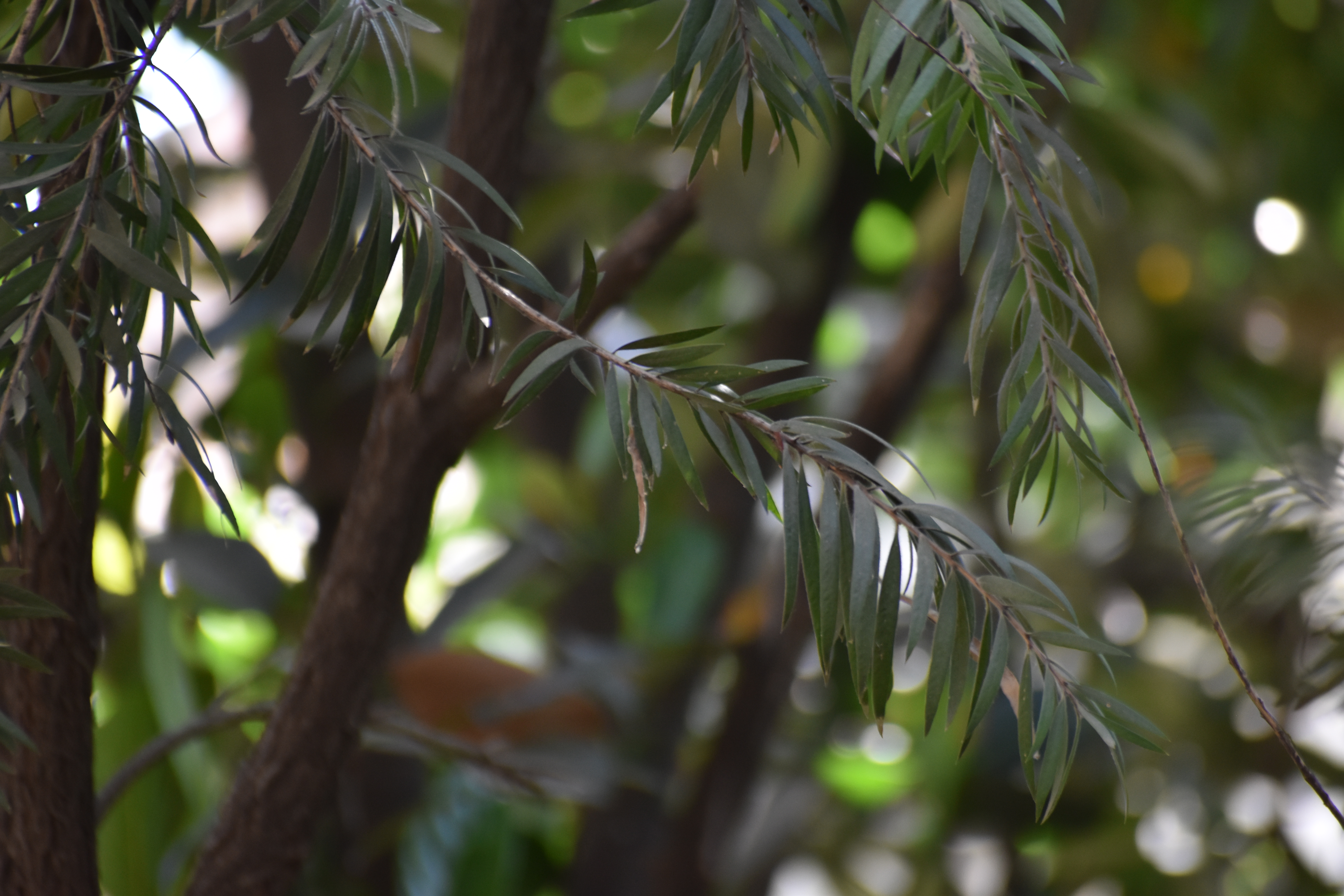
Melaleuca citrina
-
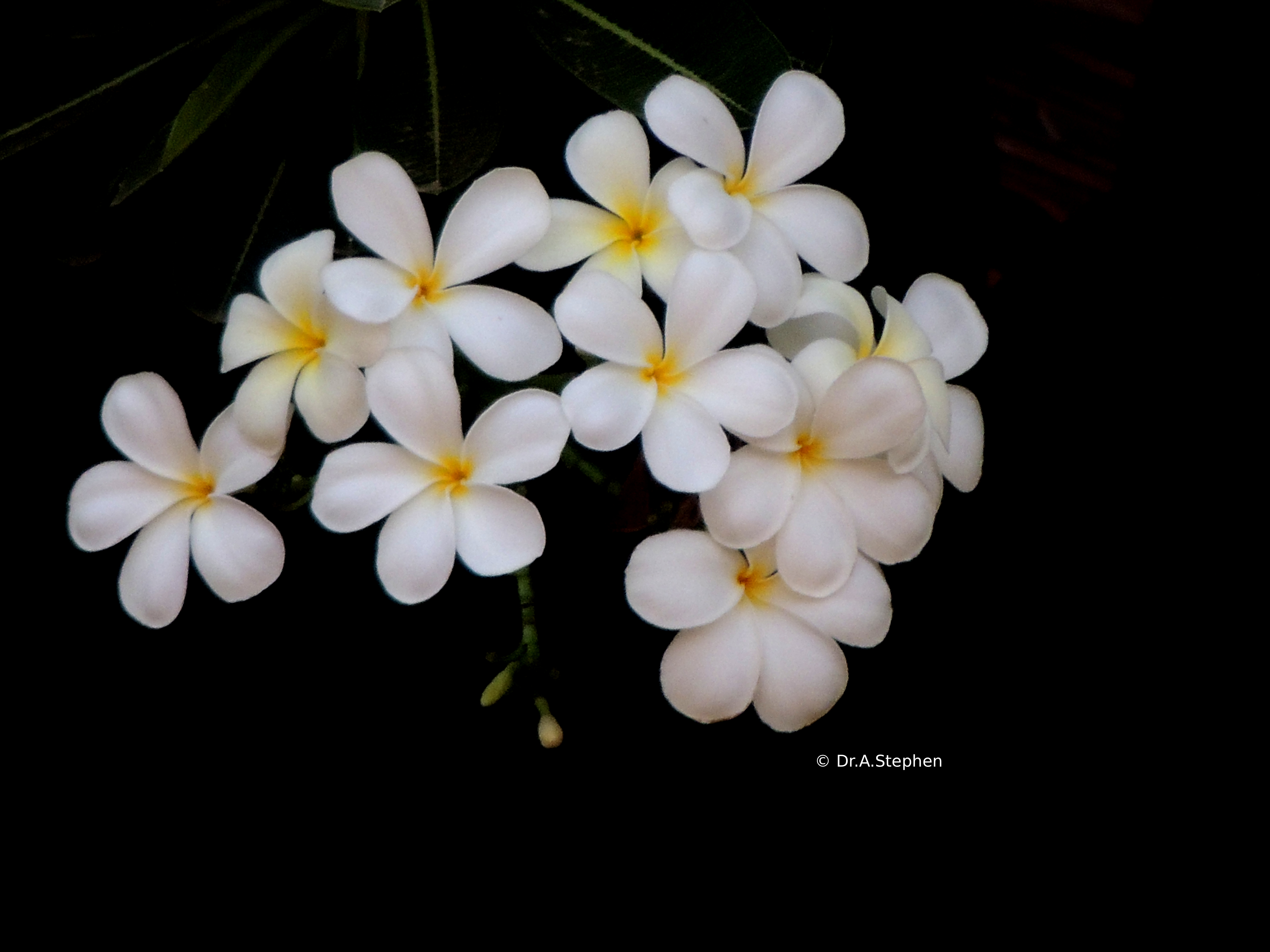
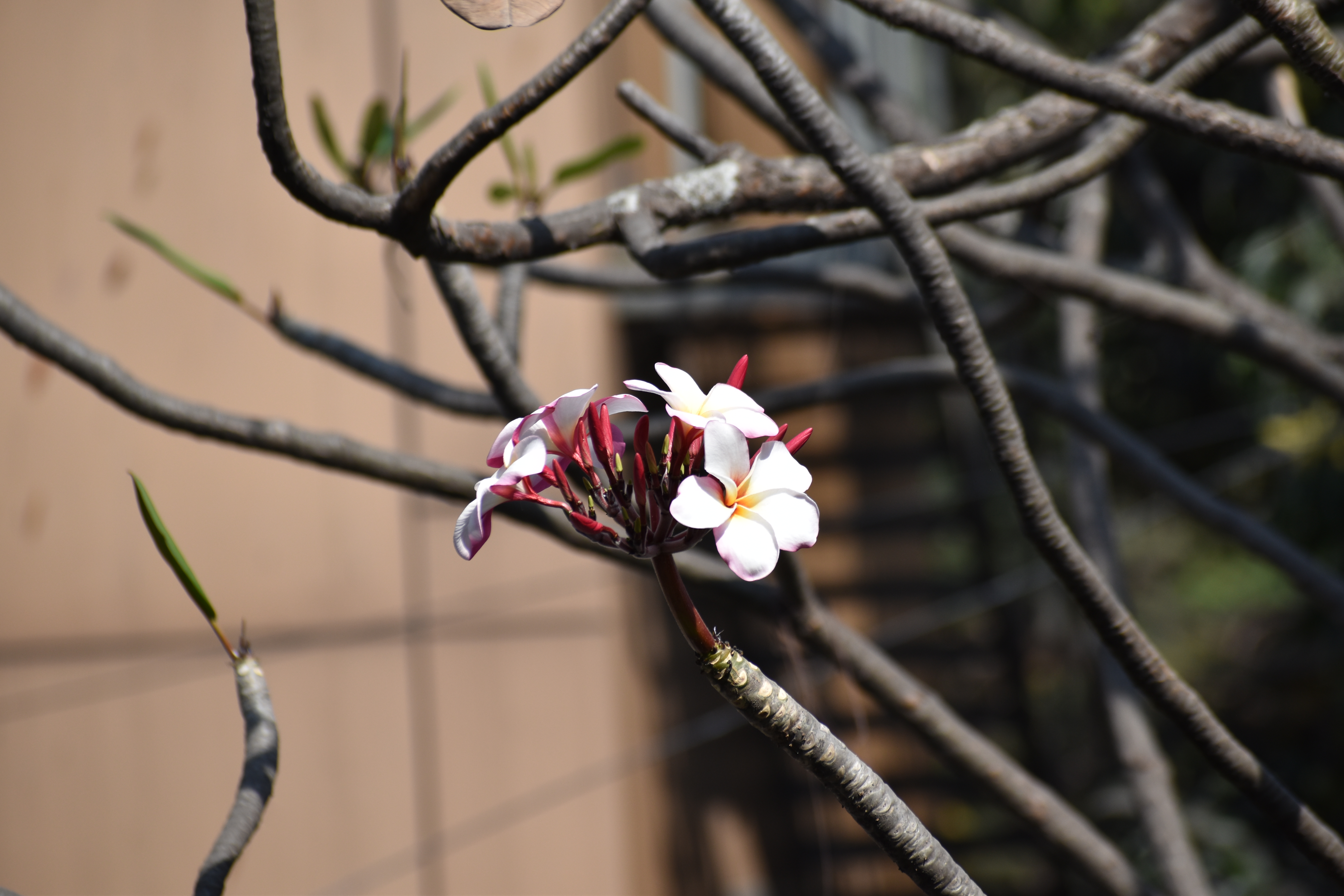
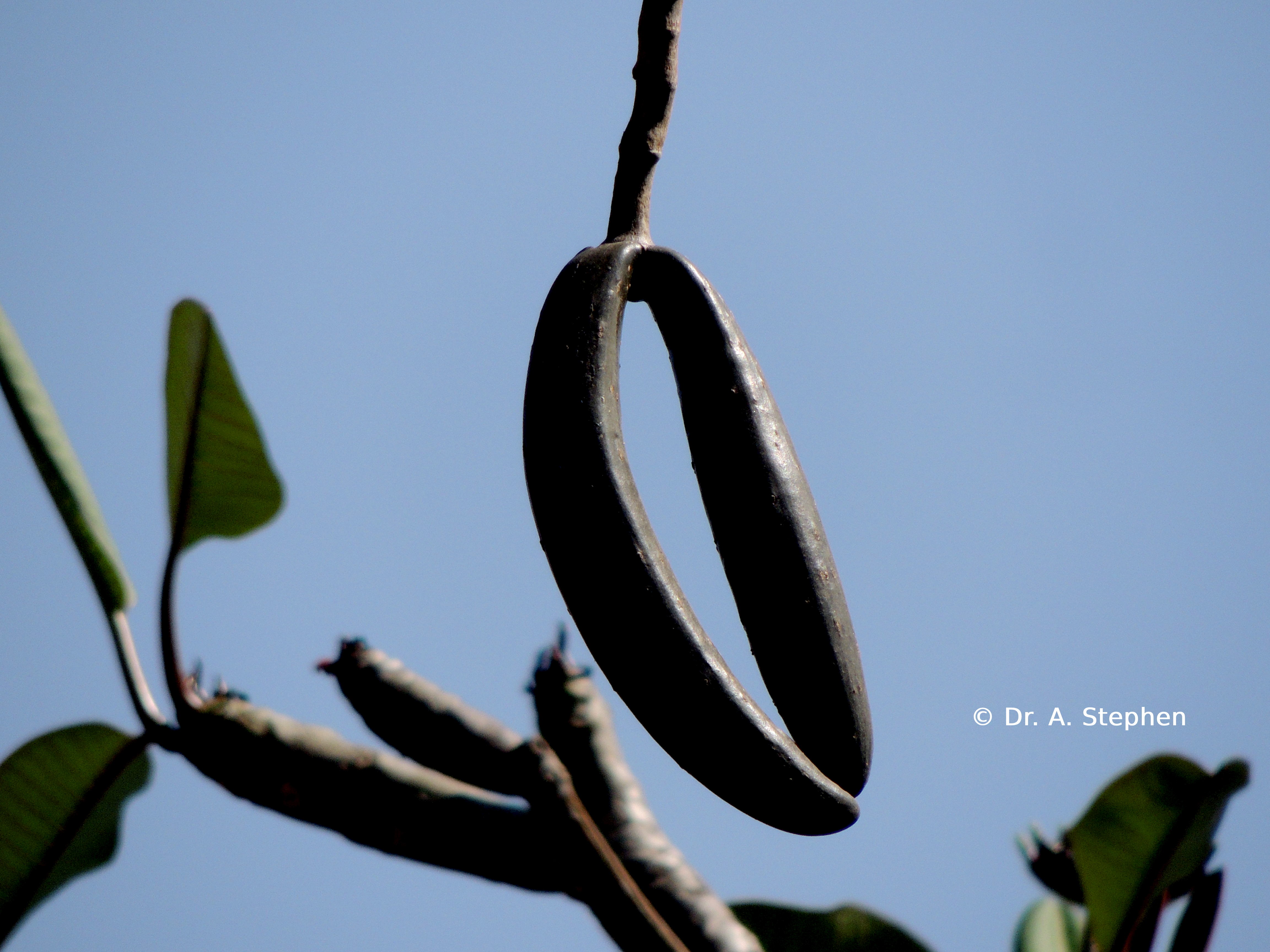
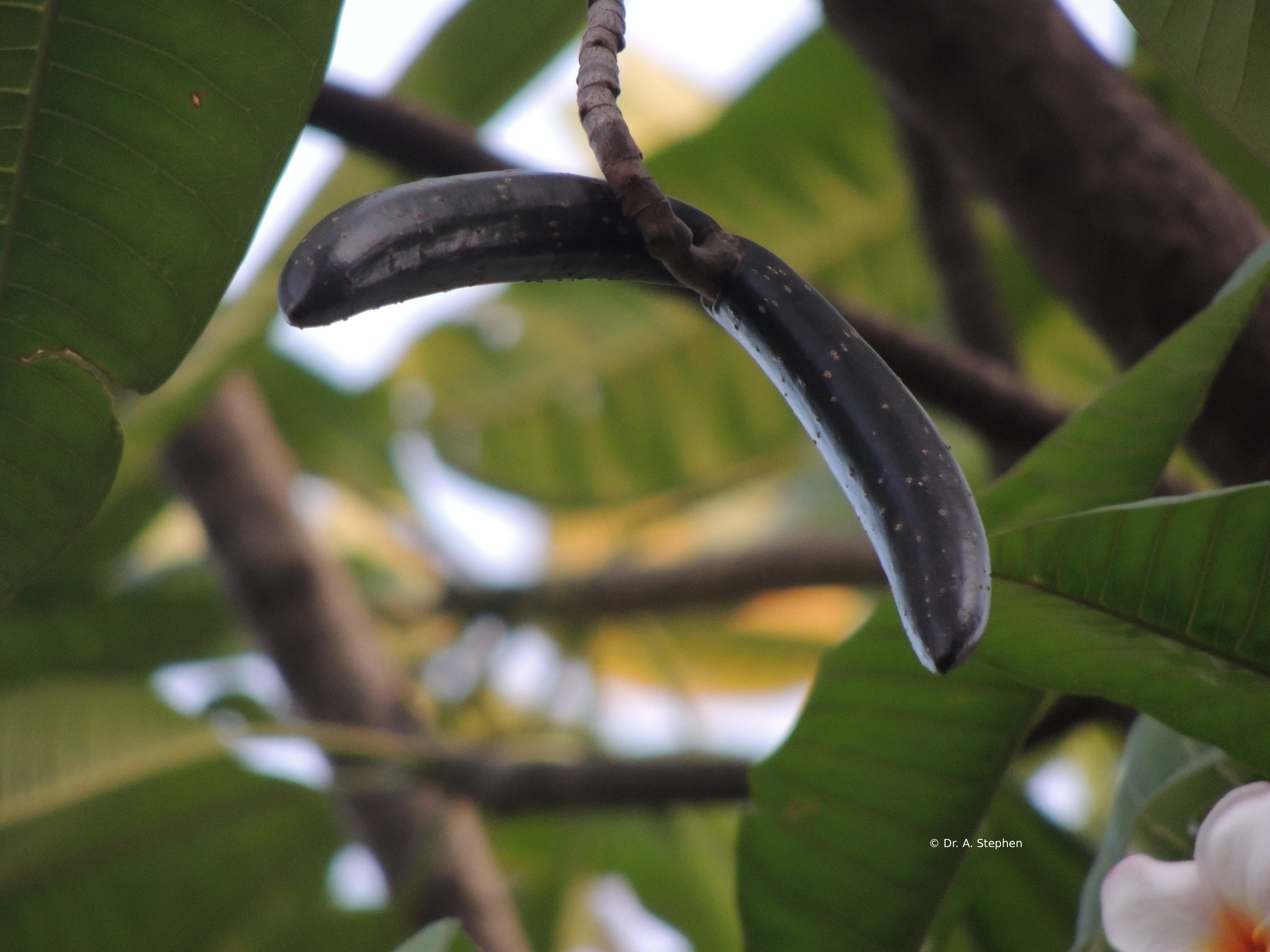
Plumeria rubra
ದೇವಗಣಿಗಲು
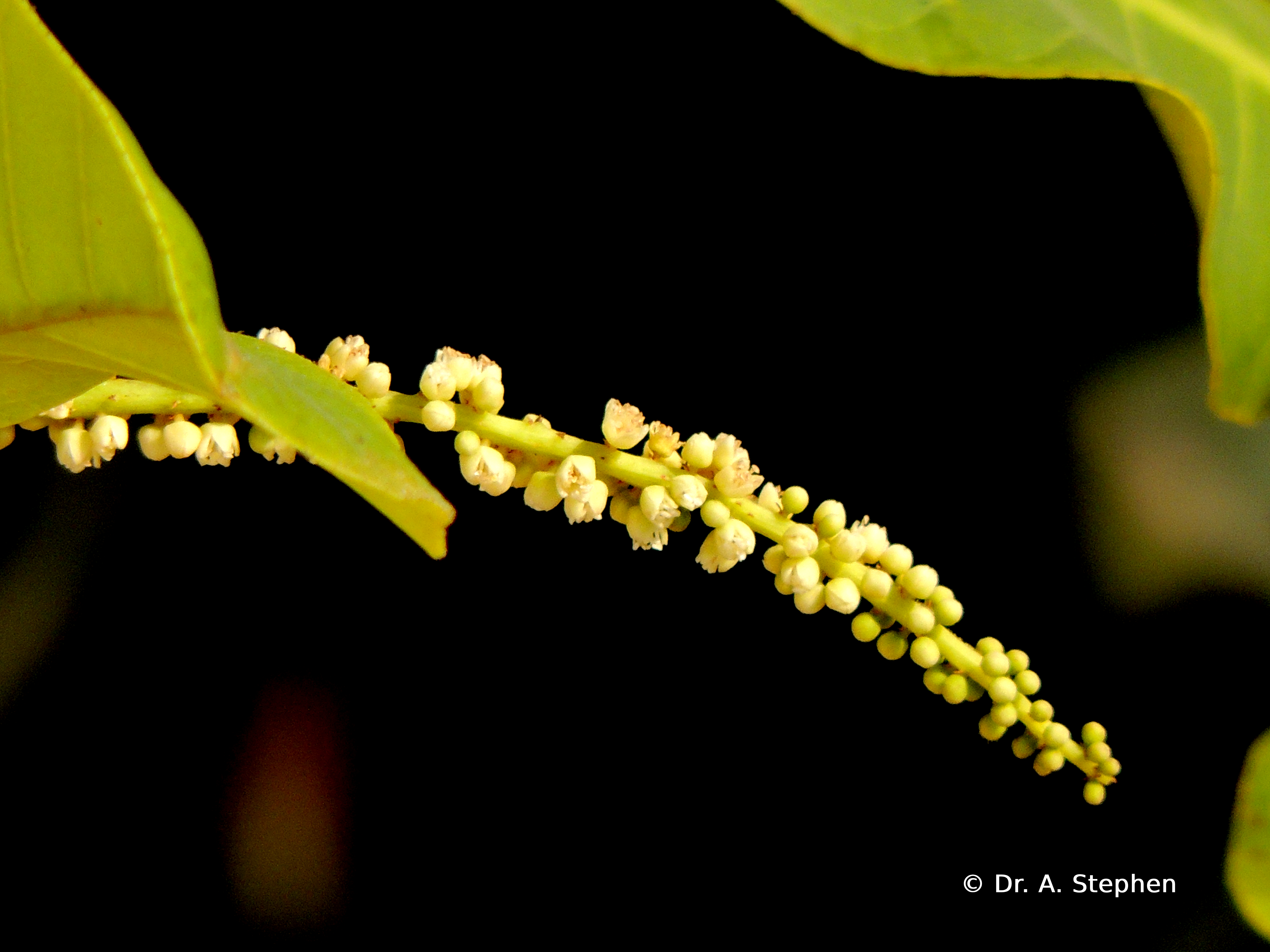
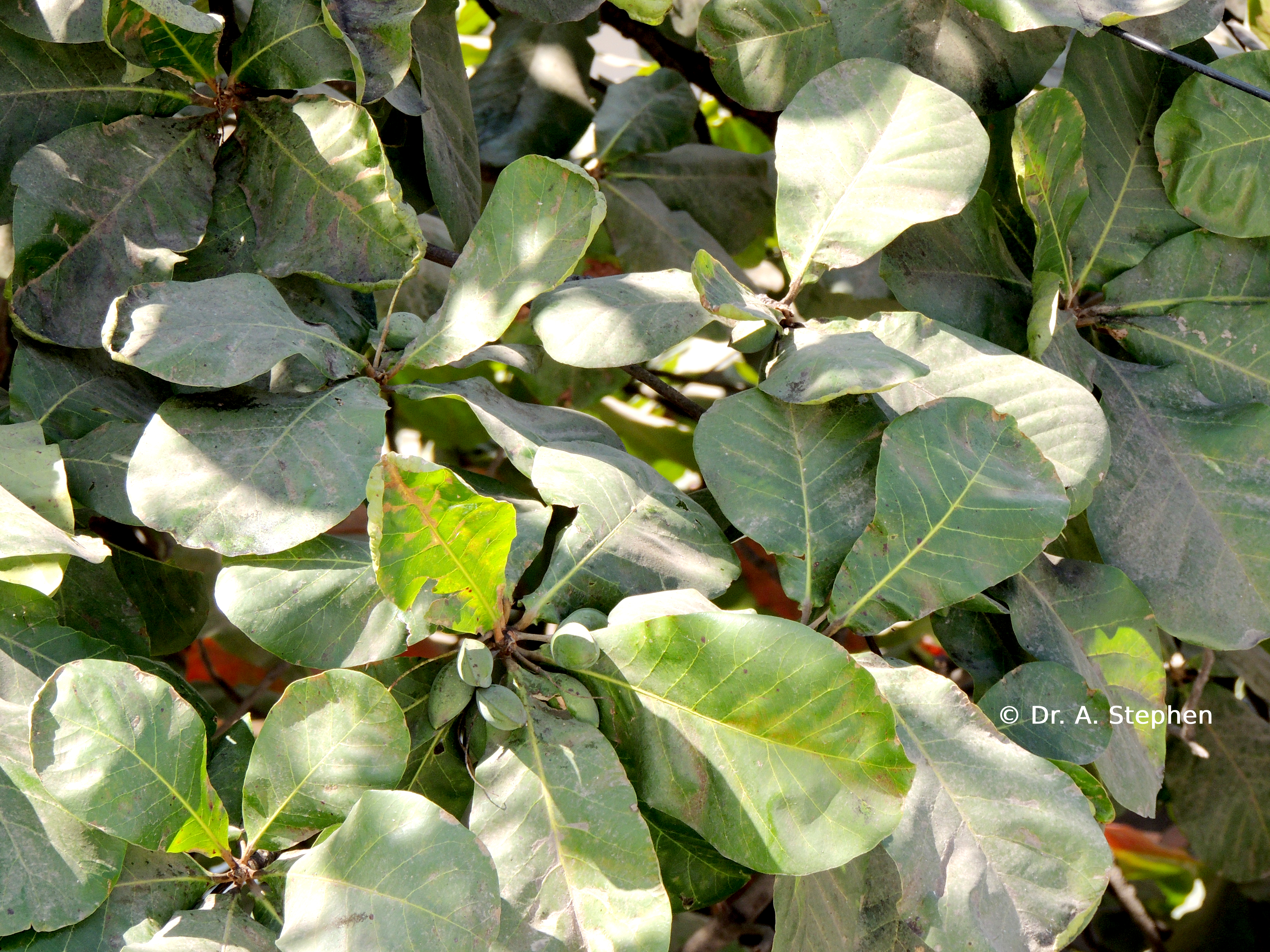
Terminalia catappa
ಕಾಡುಬಾದಾಮಿ
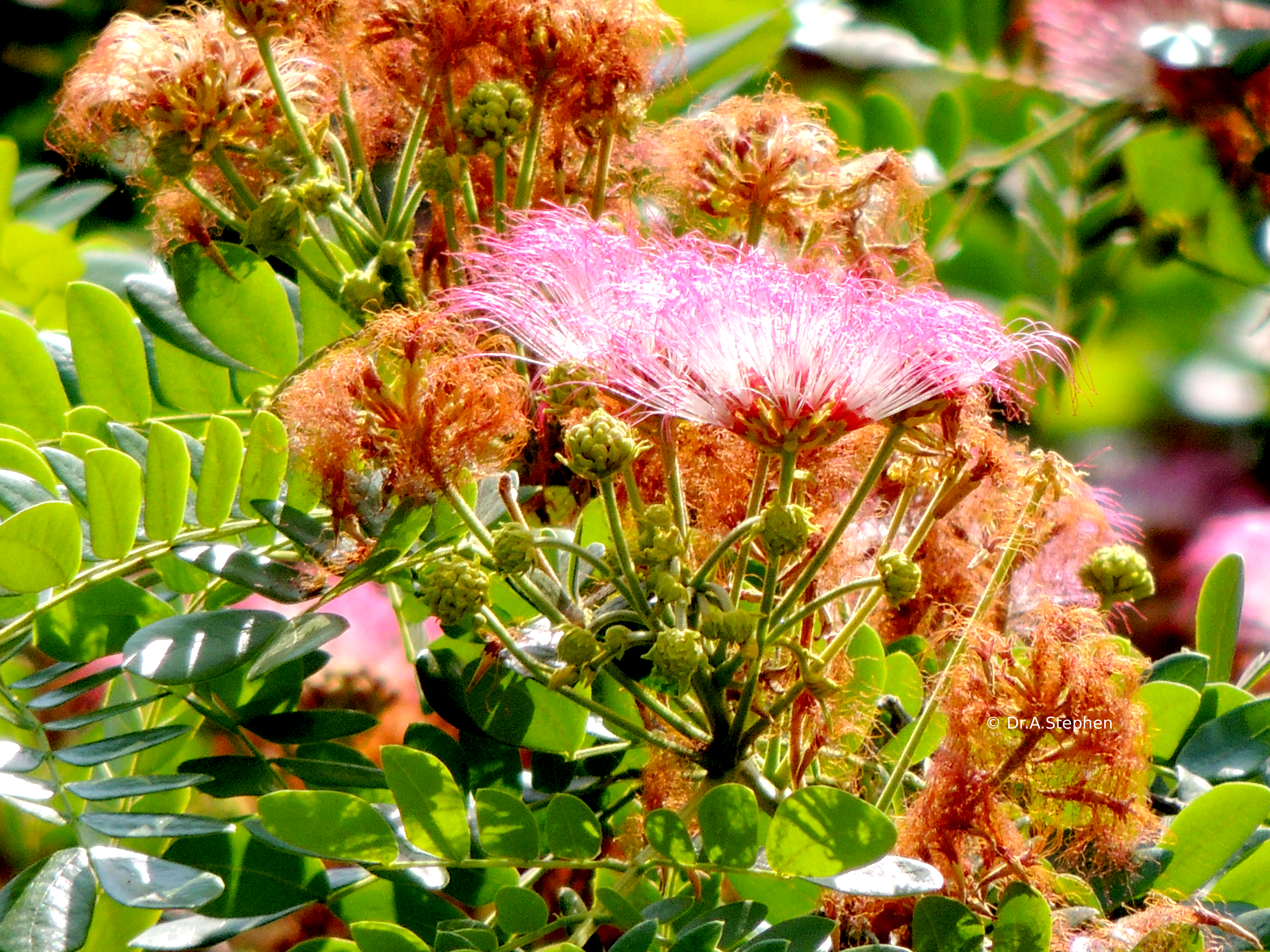
Samanea saman
ಮಳೆಮರ
.jpg)
Ficus benghalensis
ಆಲದ ಮರ

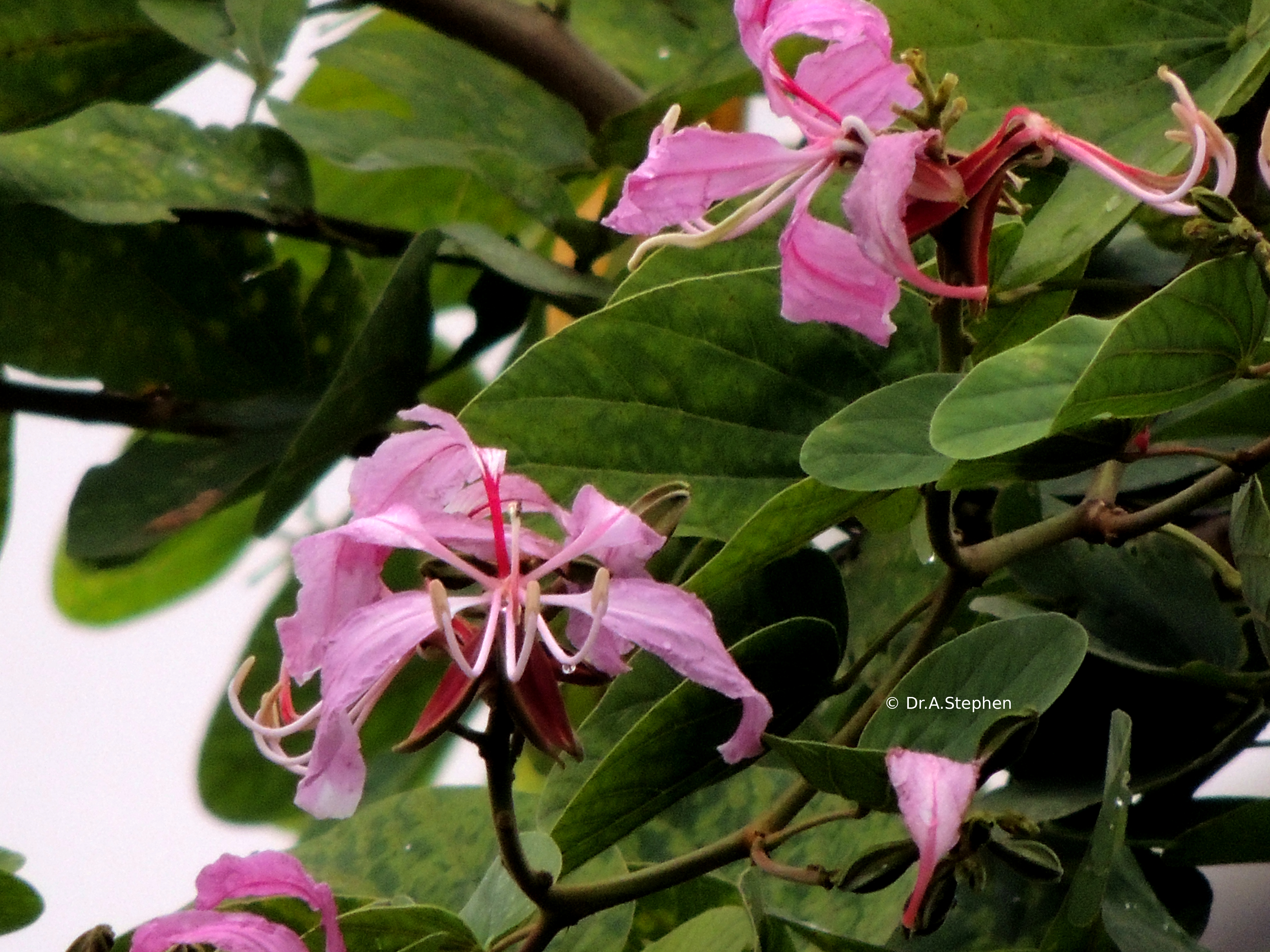
Bauhinia purpurea
ಕಂಚಿವಾಲ
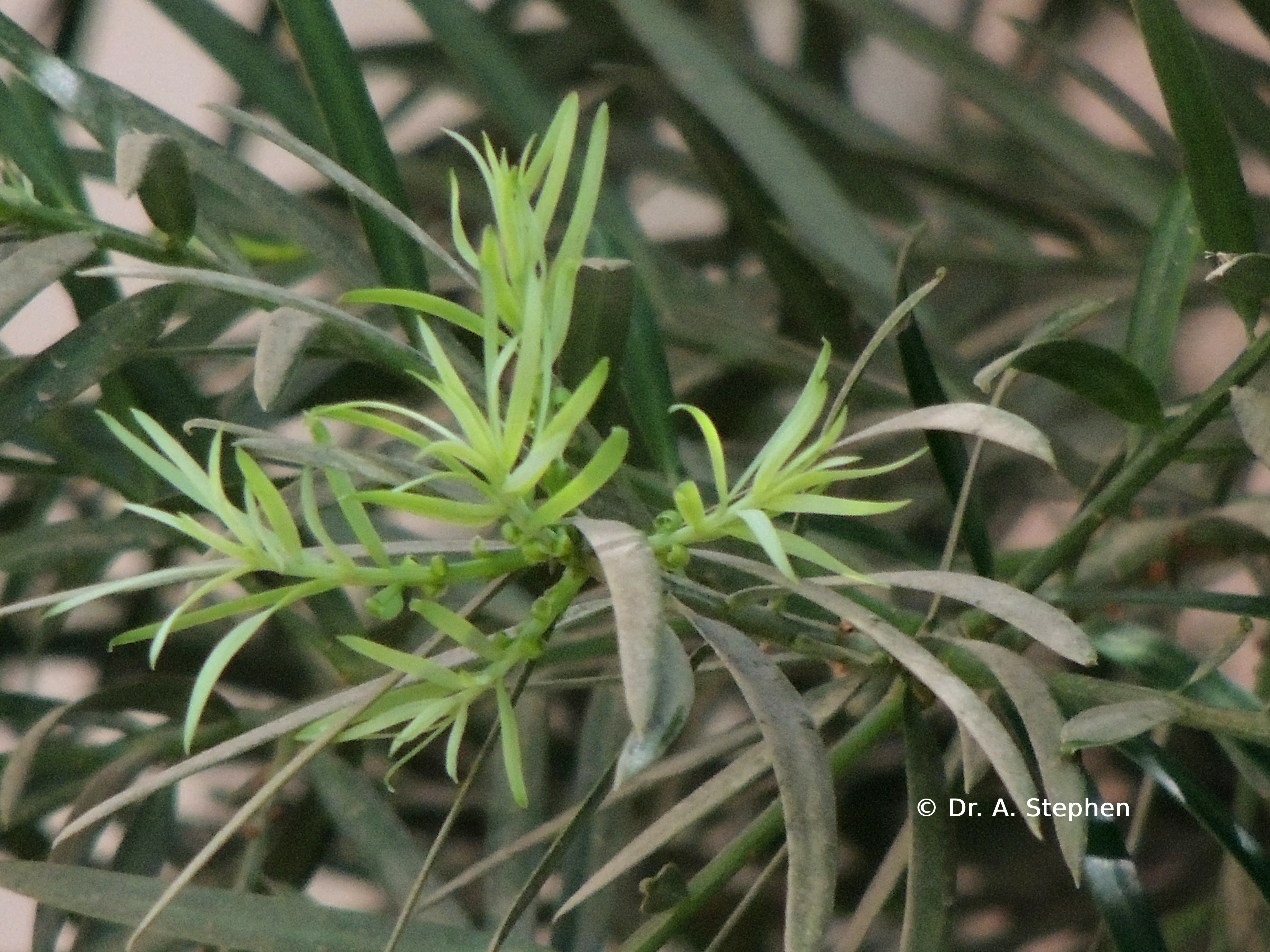
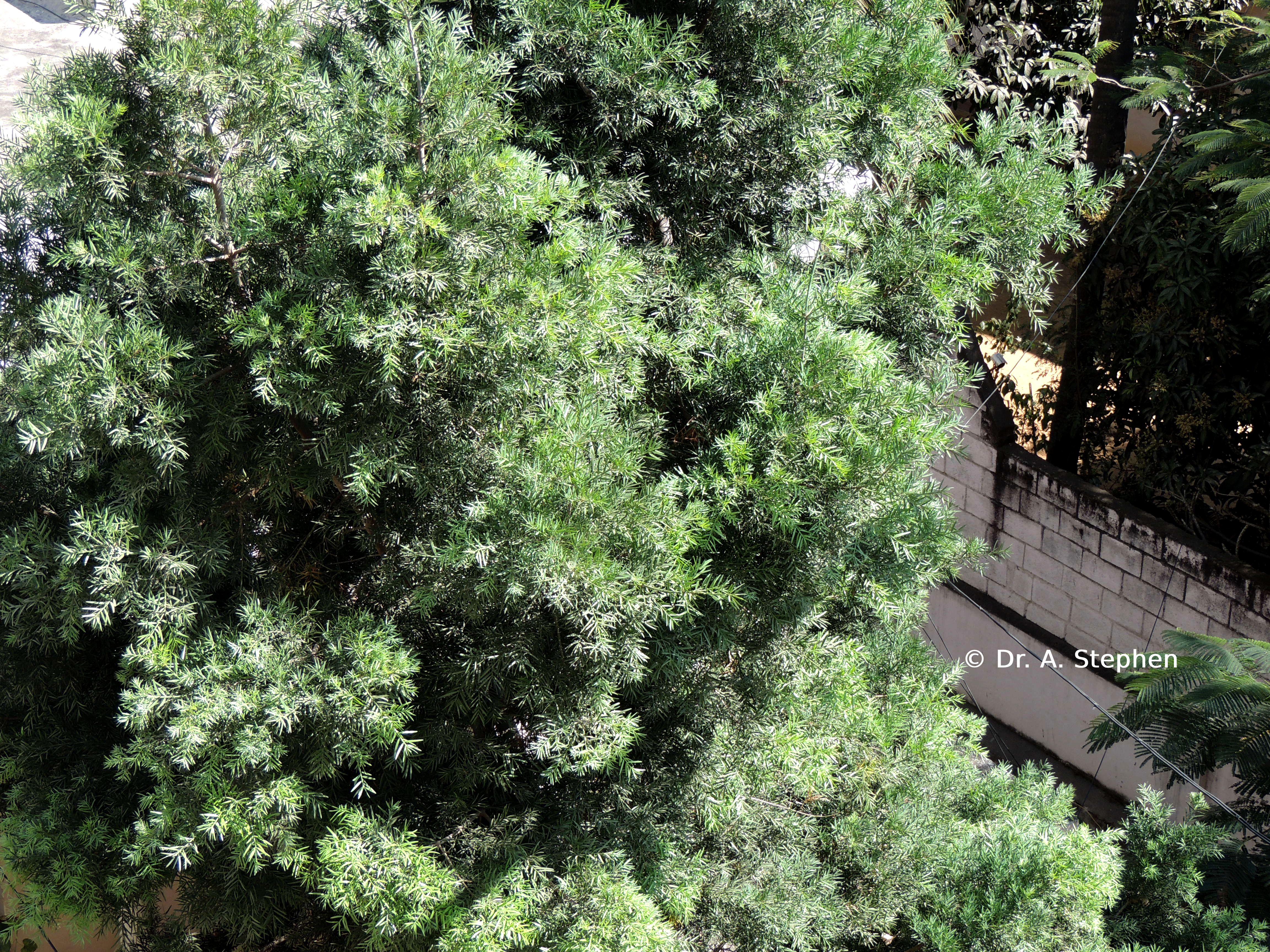
Podocarpus macrophyllus
-
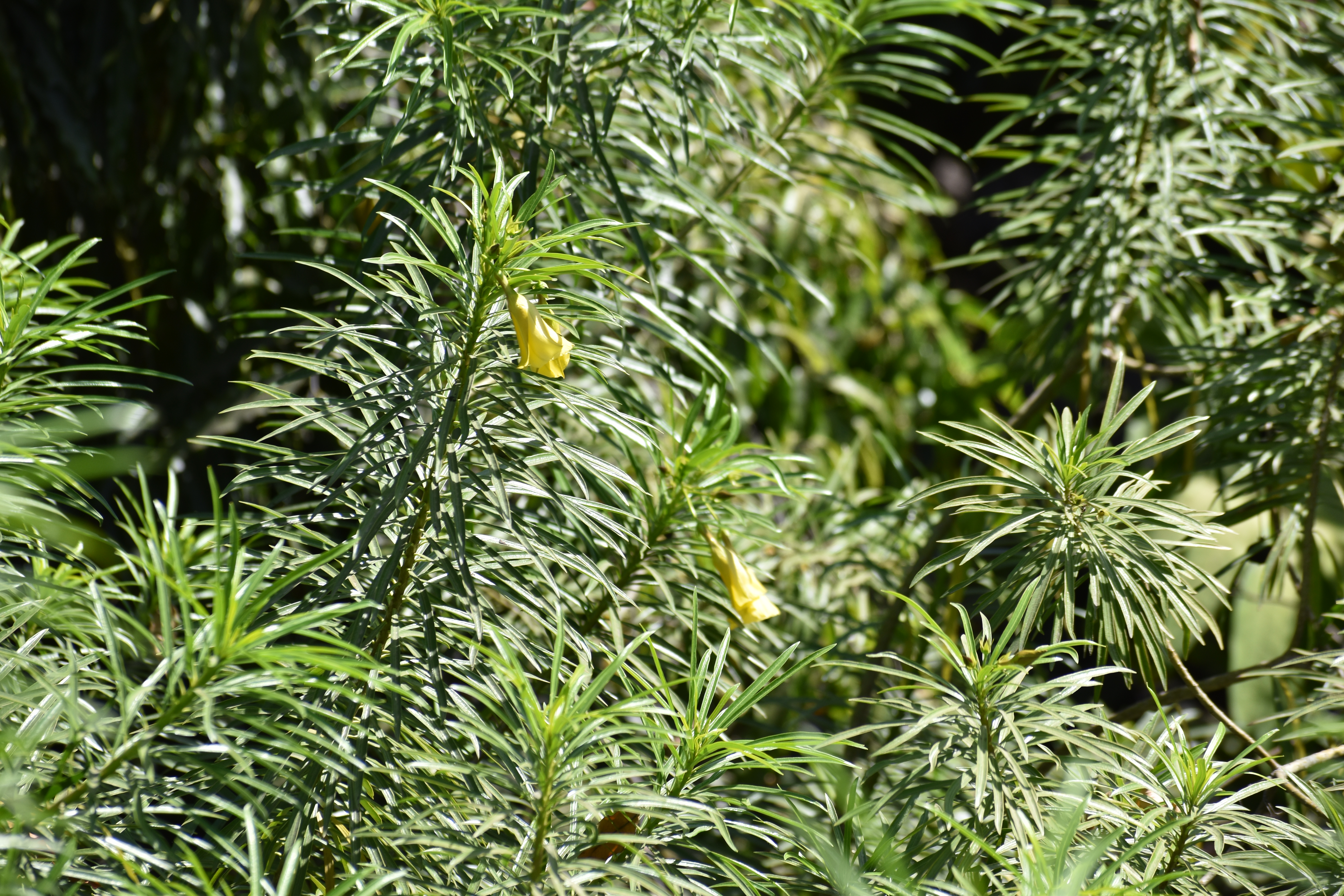
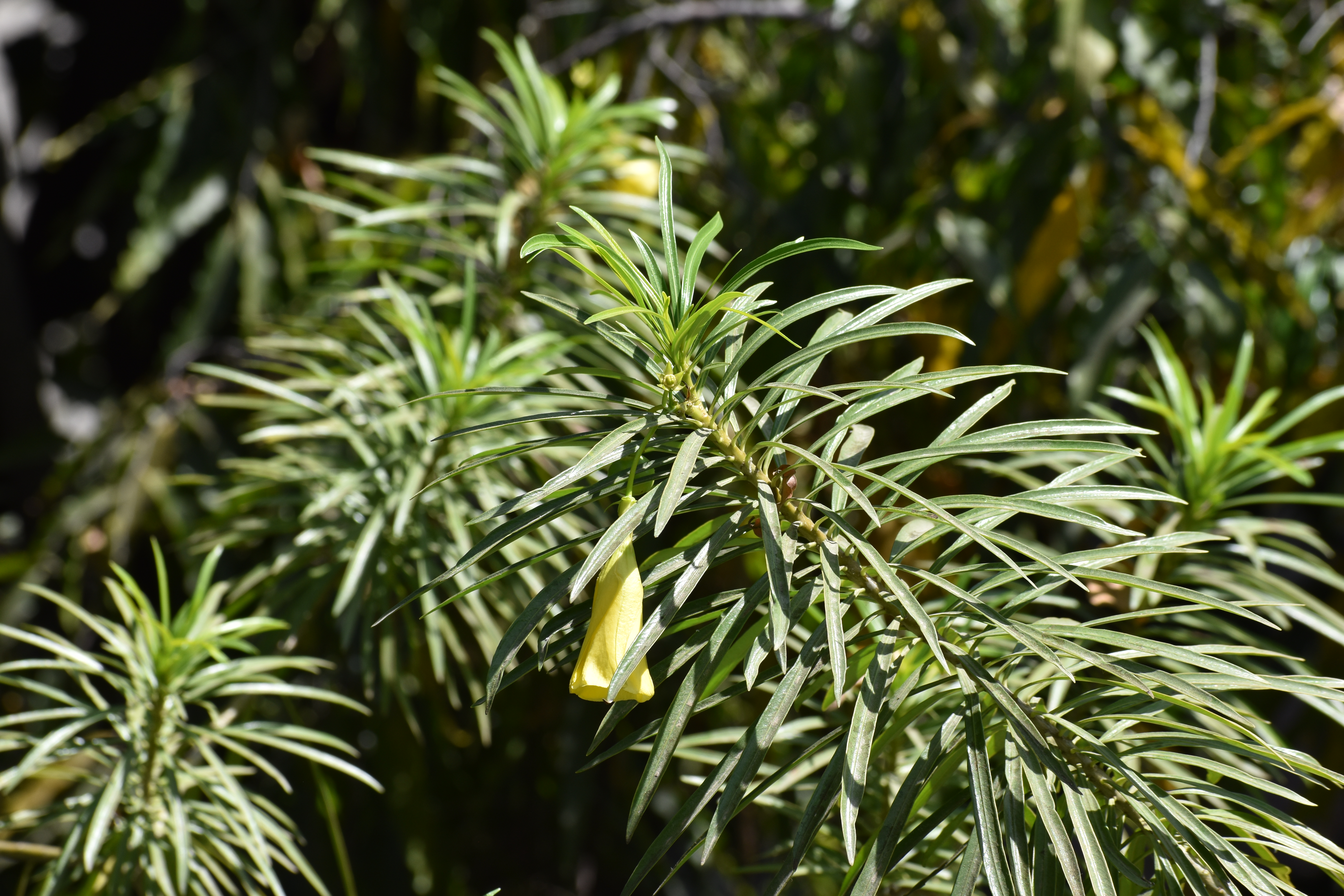
Cascabela thevetia
ಗೌರಿ ಹೂ
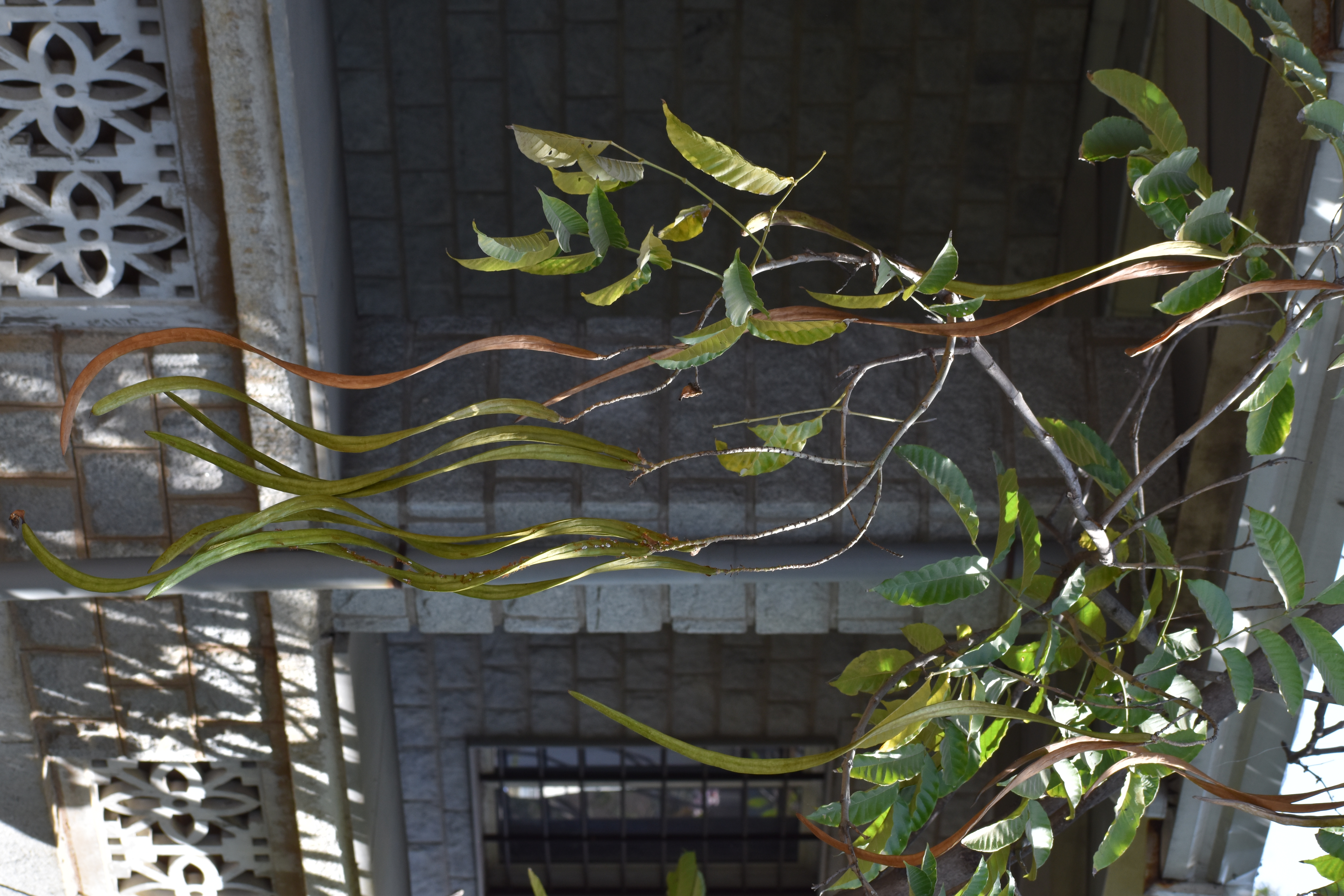
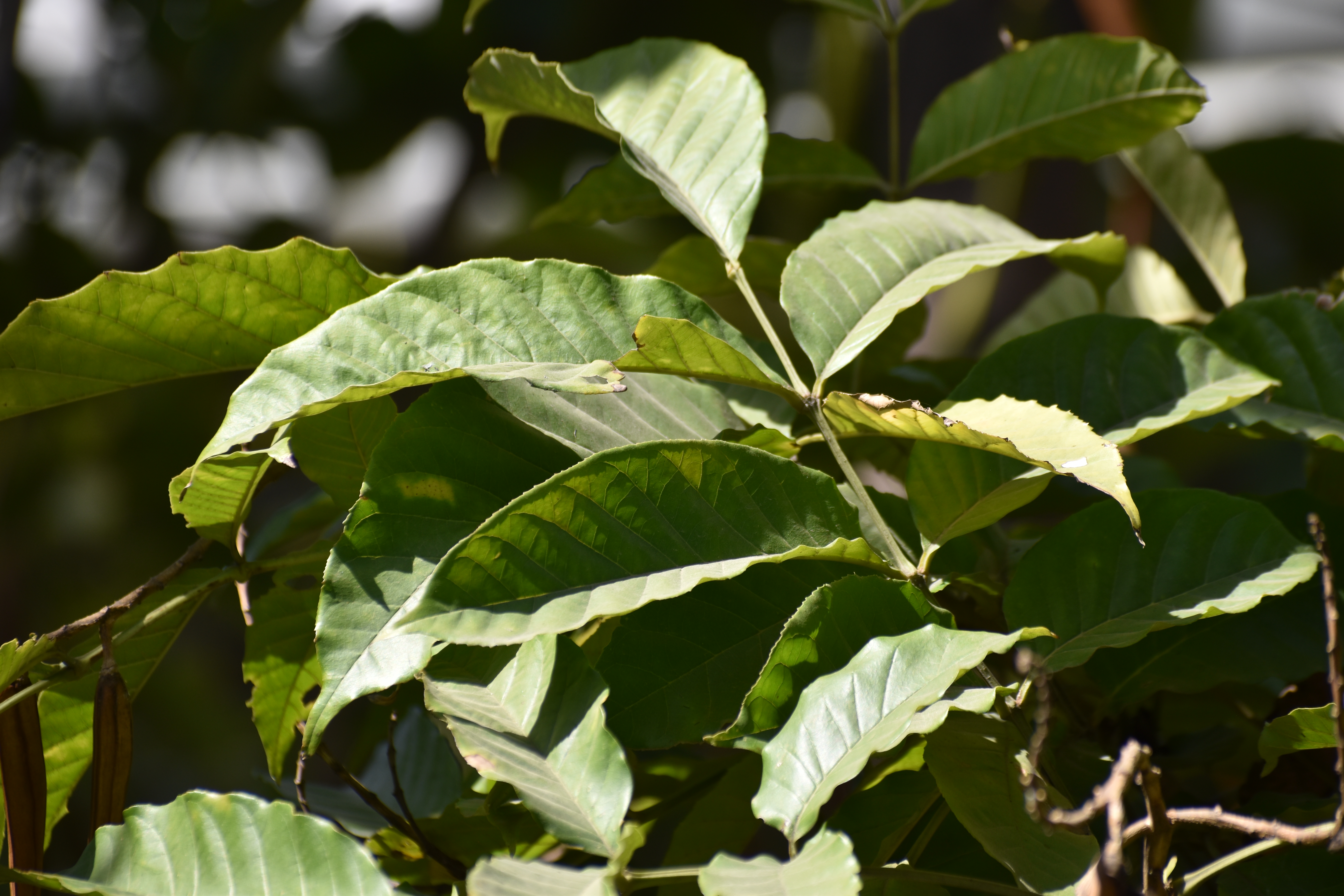
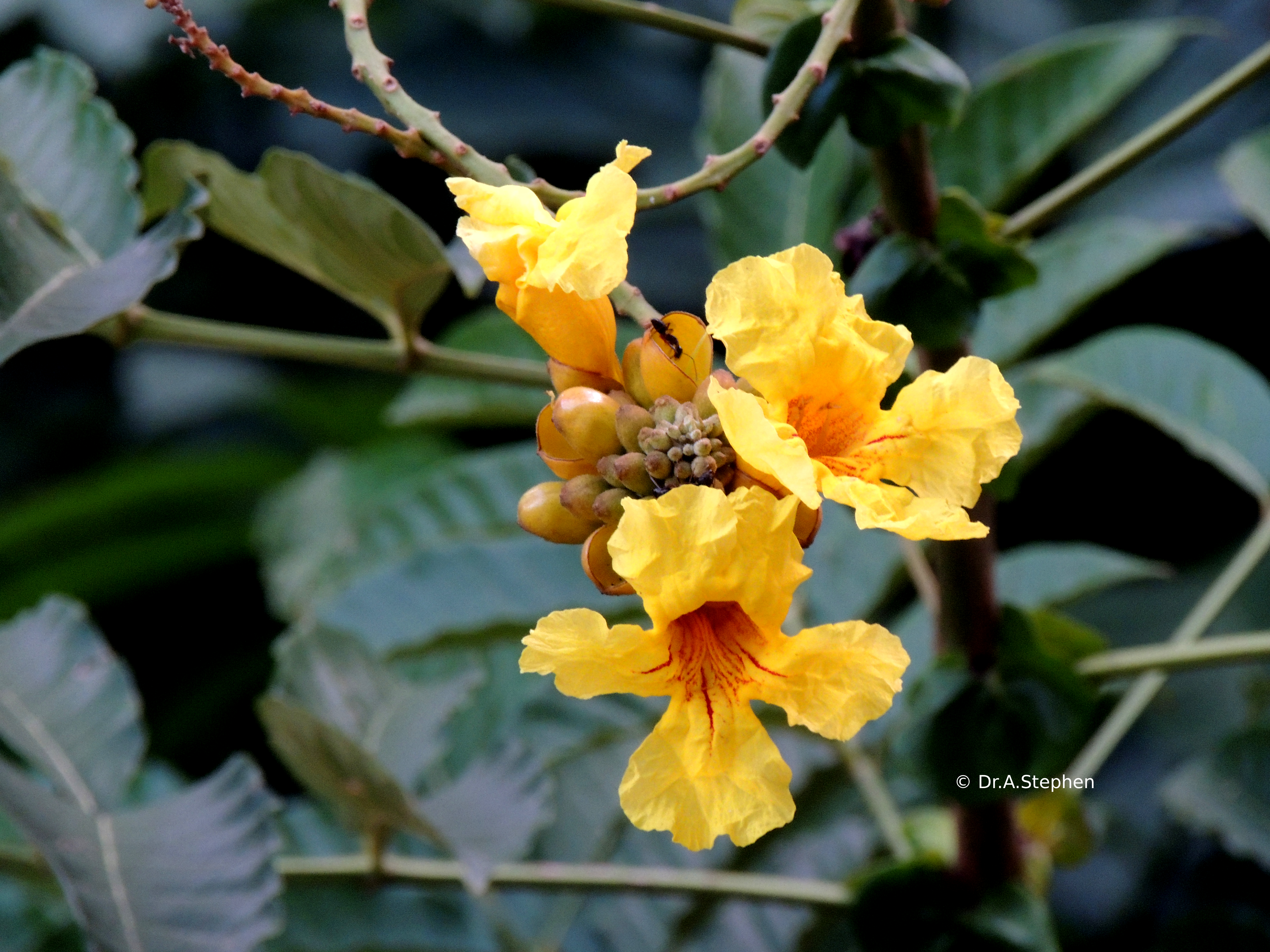
Markhamia lutea
ಕುಂಕುಮ
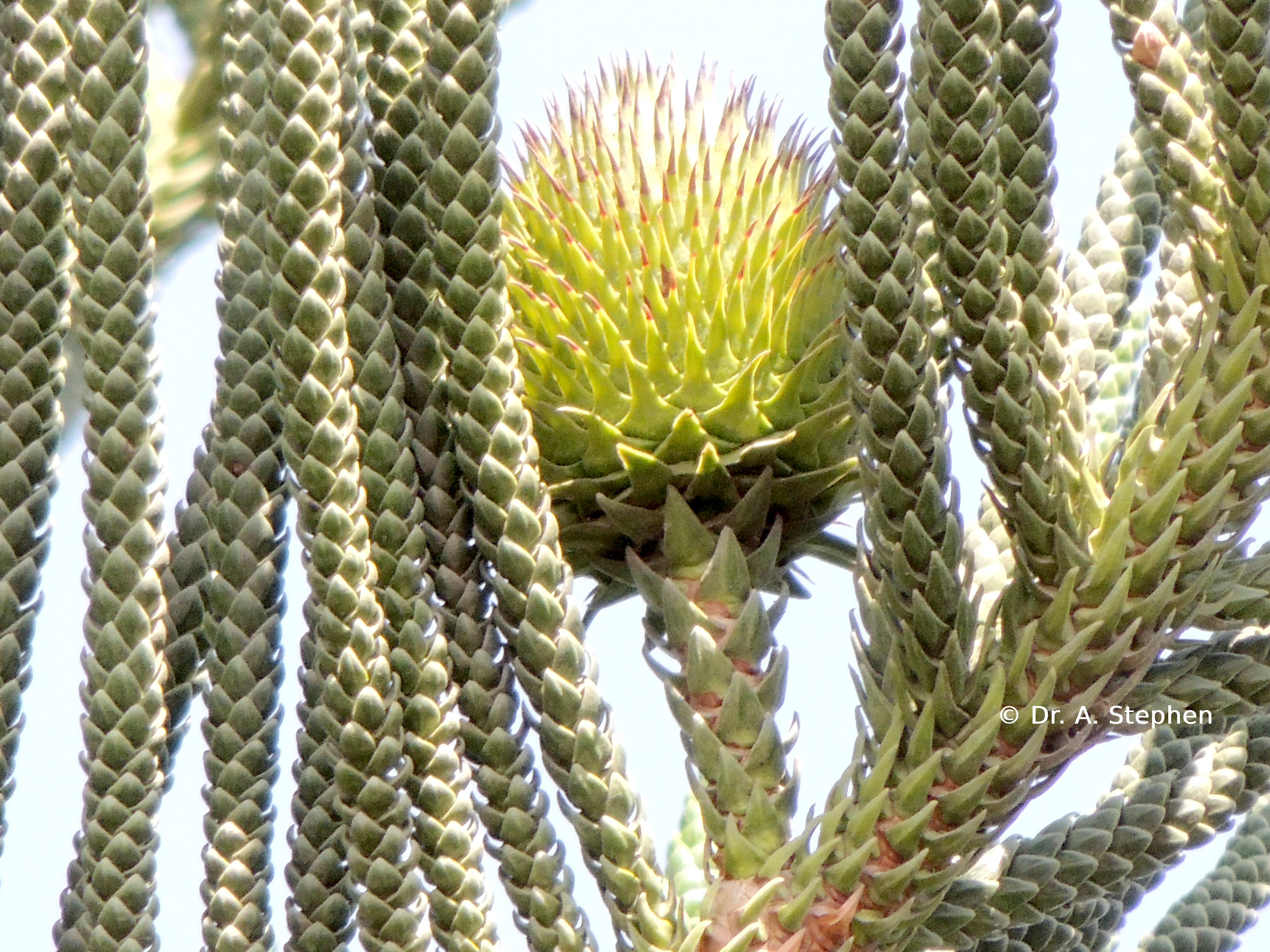
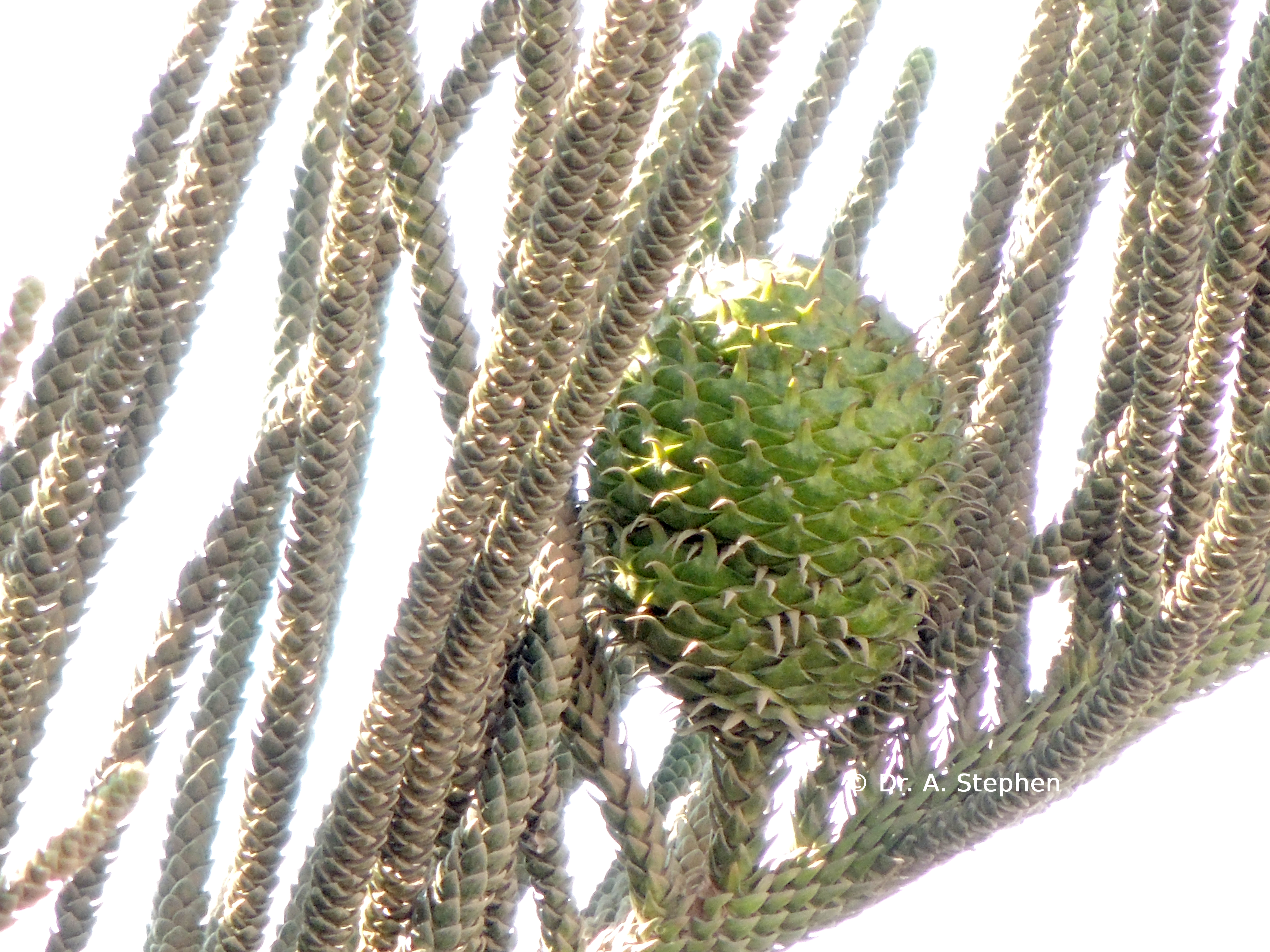
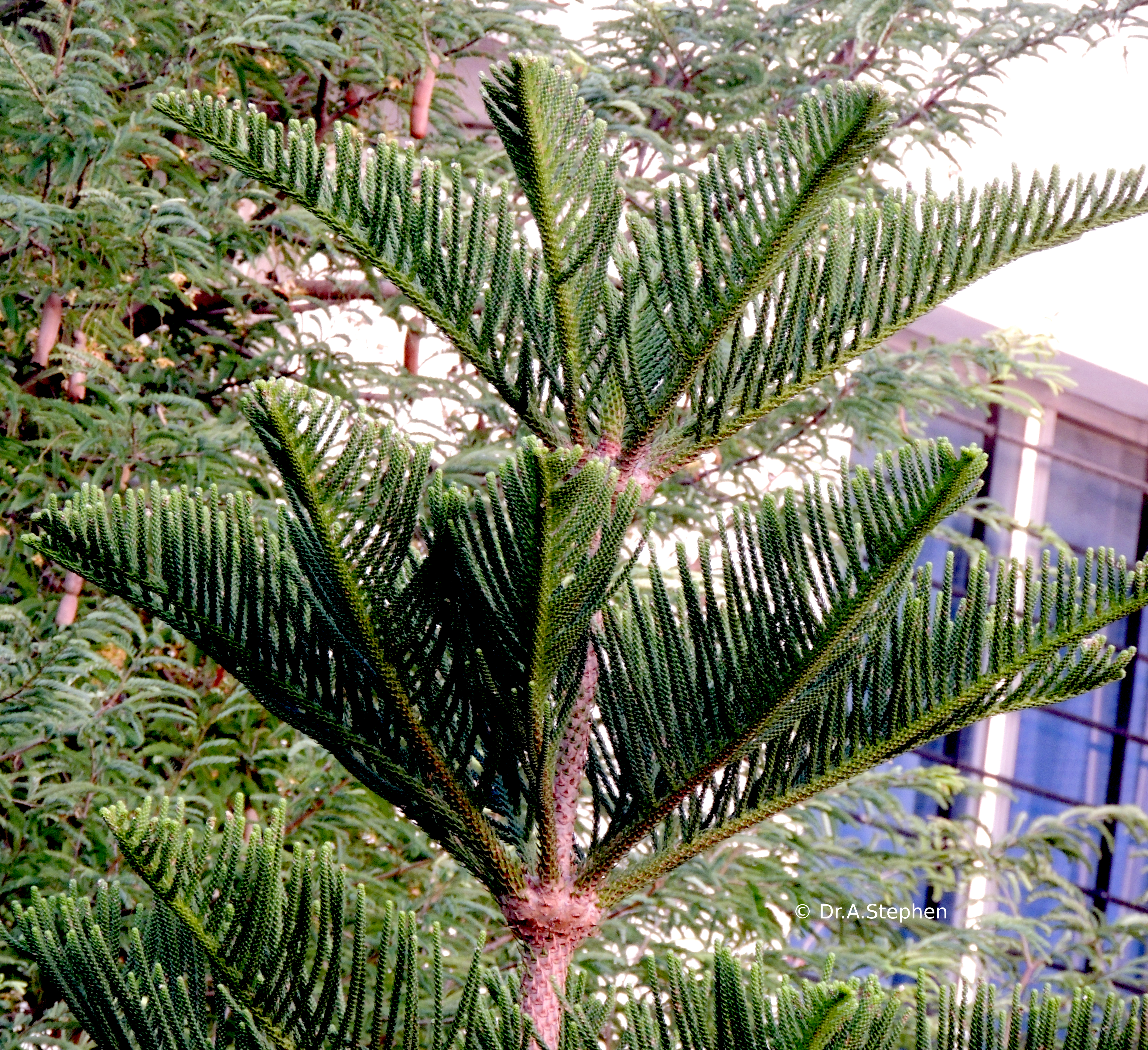
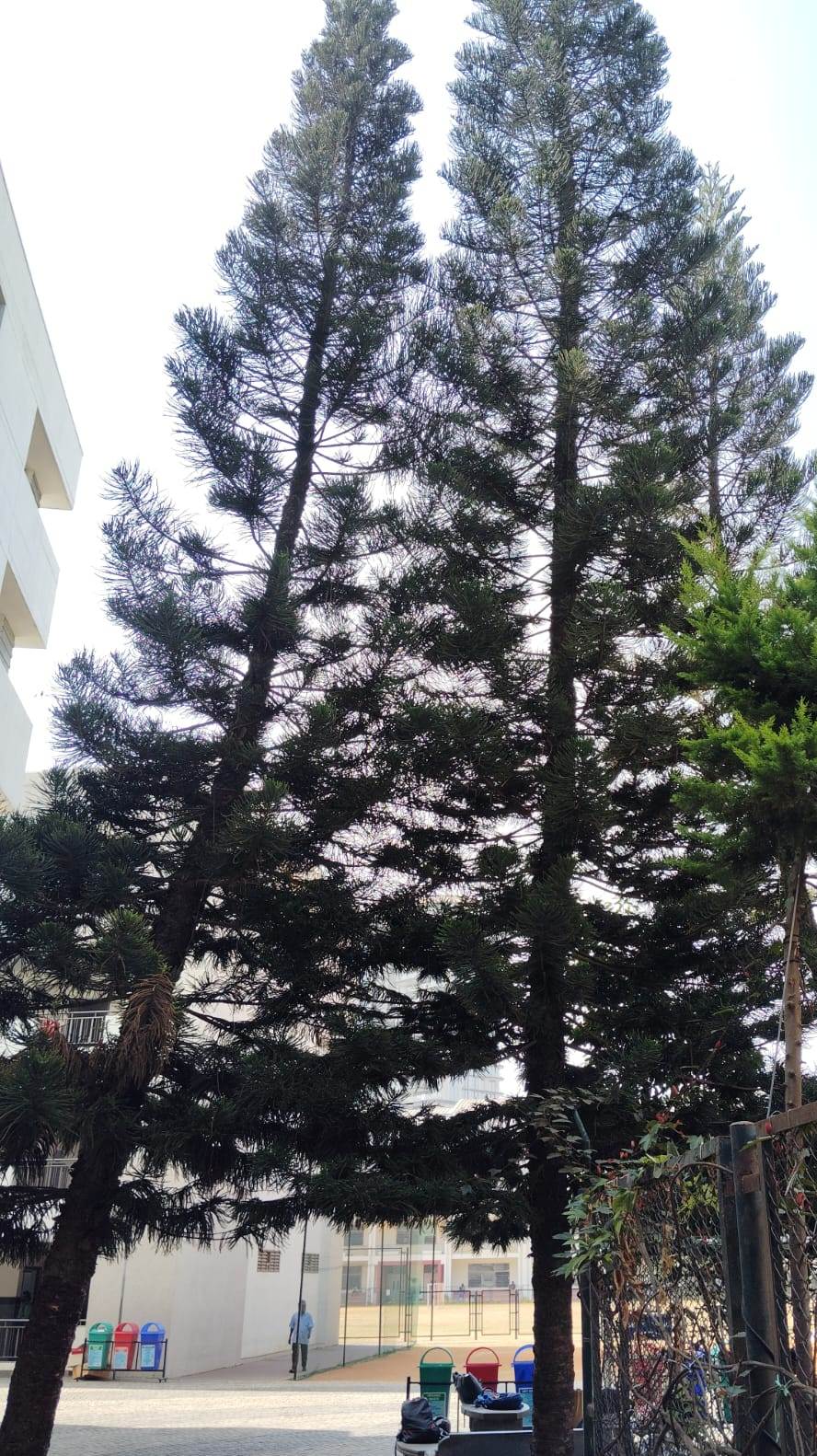
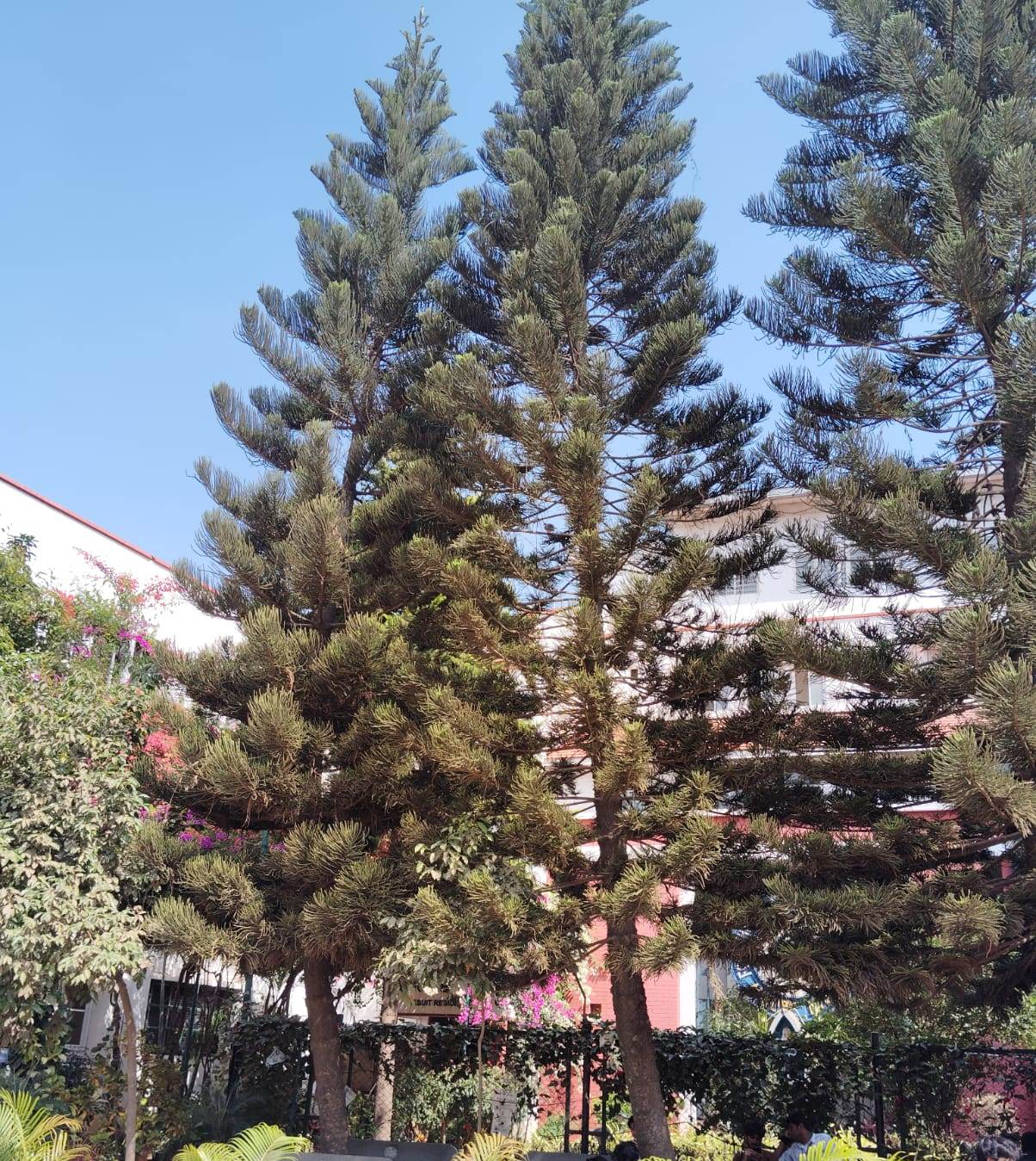
Araucaria columnaris
ಕ್ರಿಸ್ಮಸ್ ಮರ
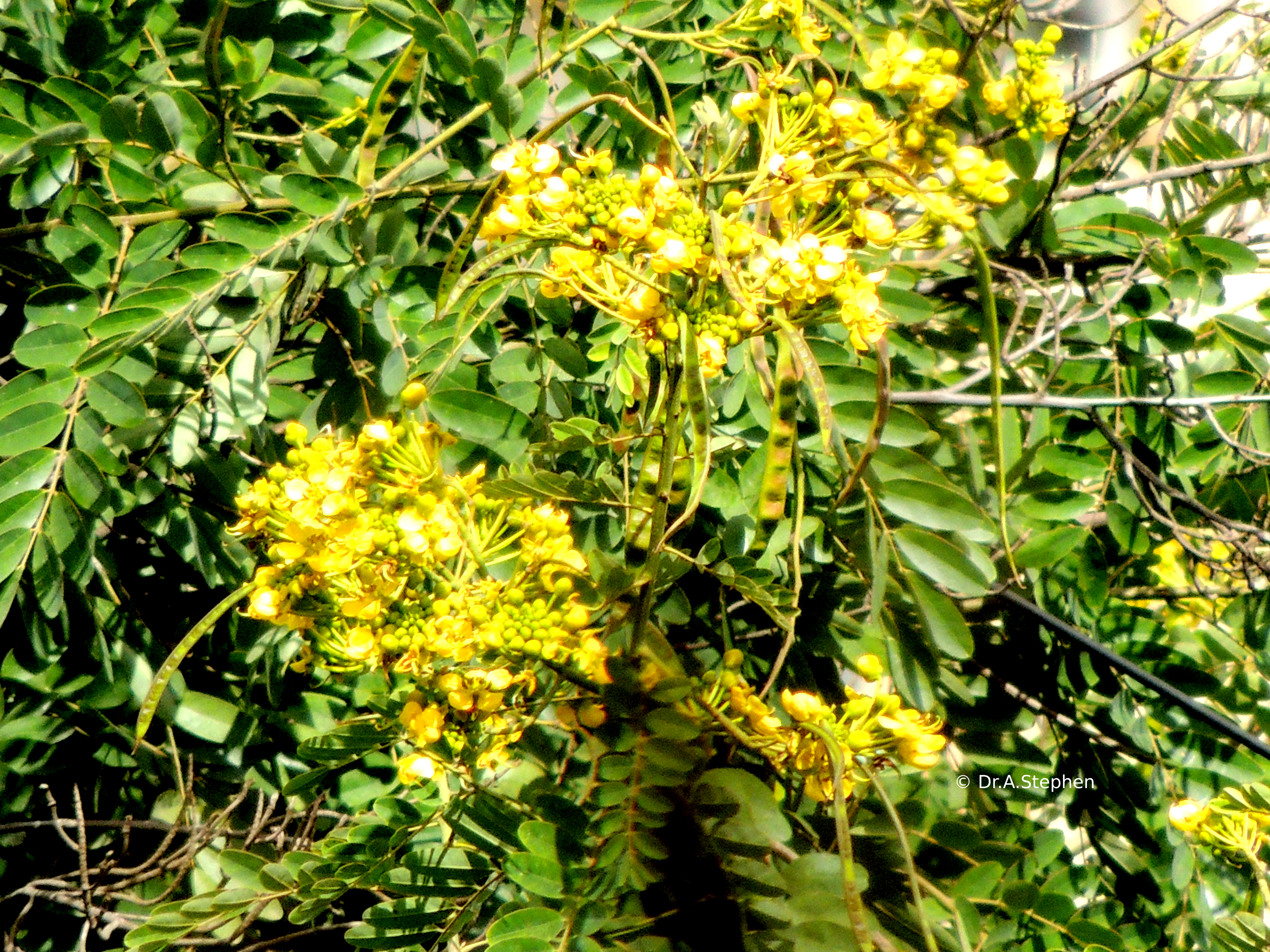
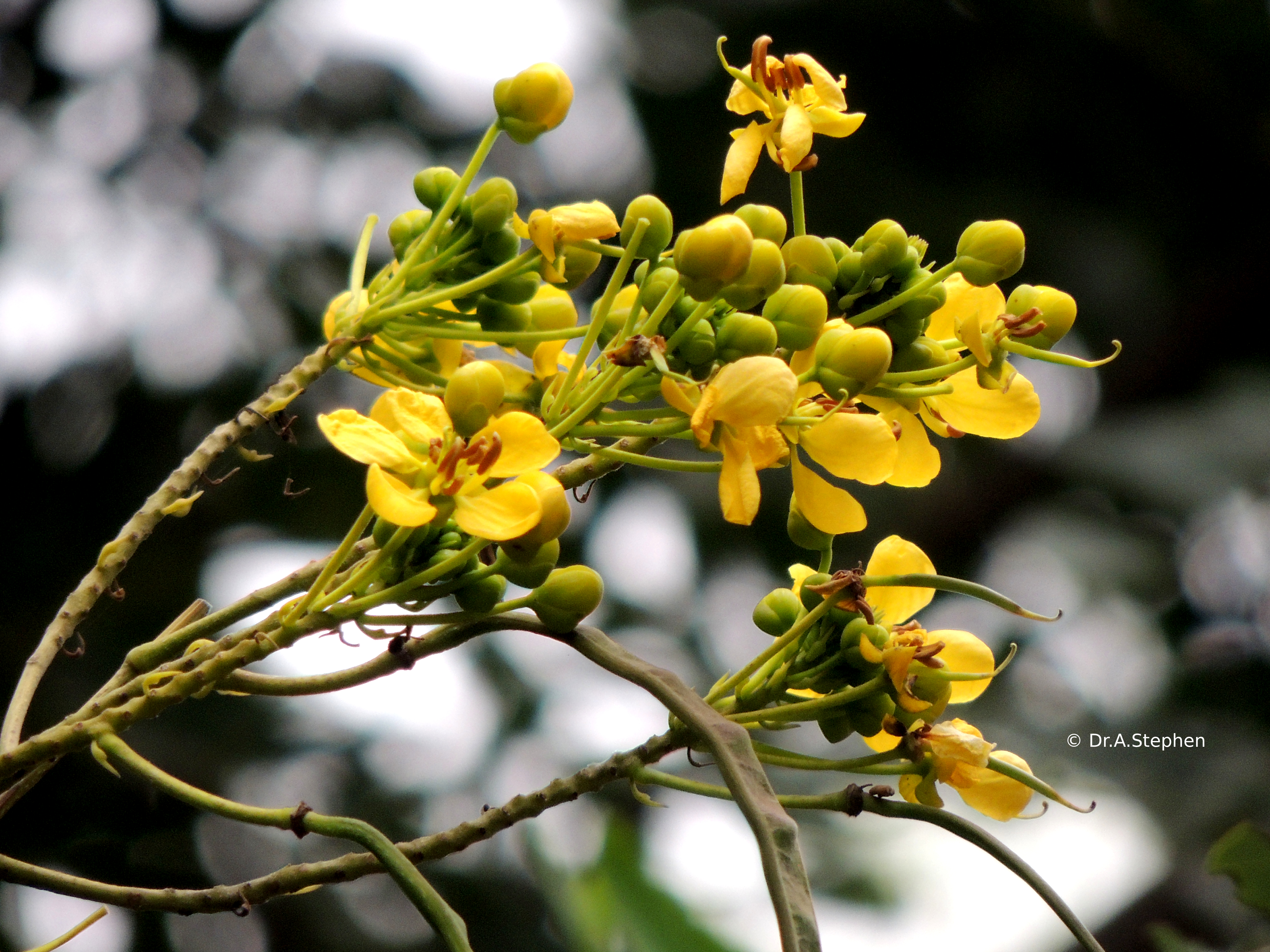
Senna siamea
ಸೀಮೆ ತಂಗಡಿ
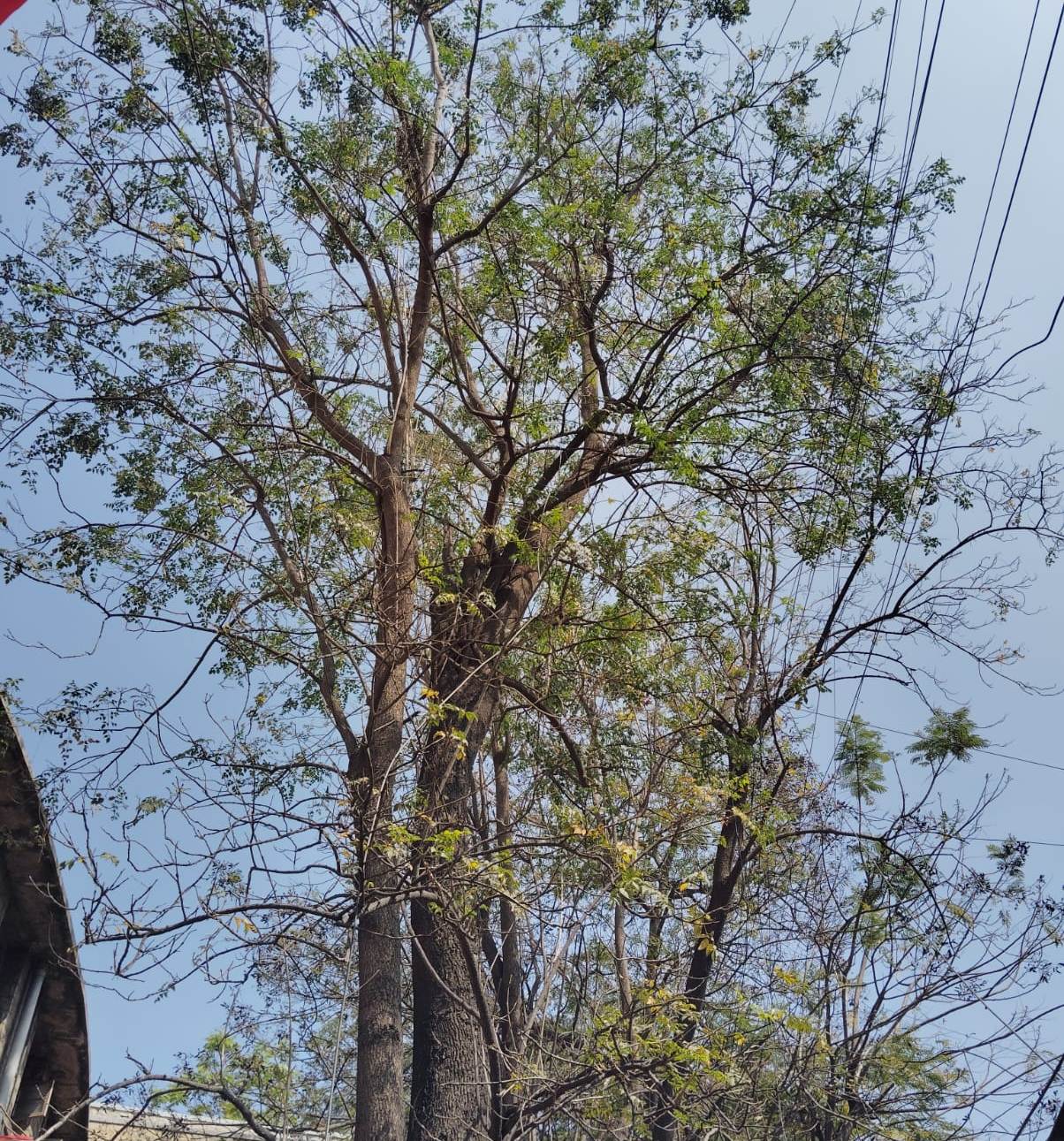
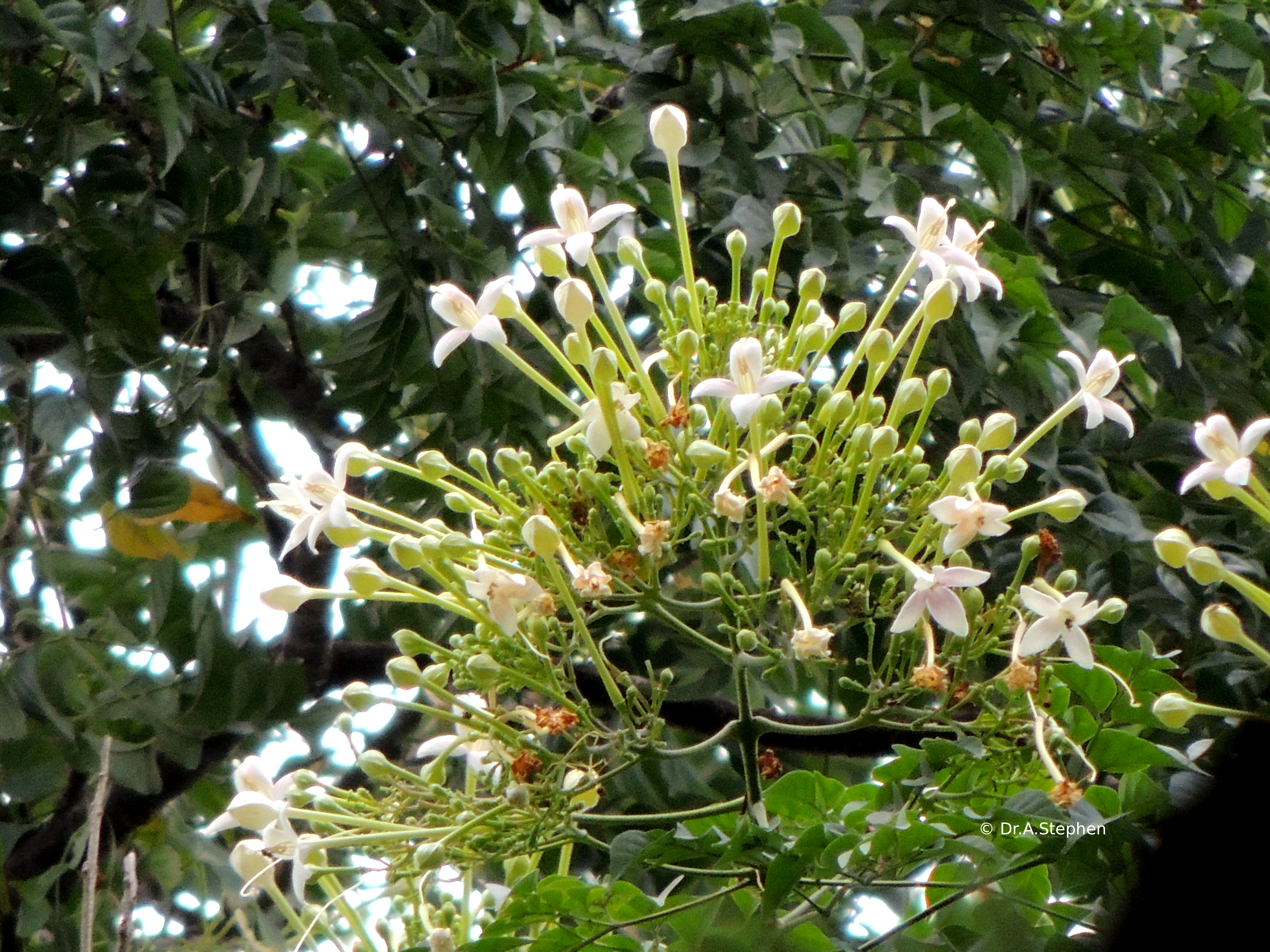
Millingtonia hortensis
ಆಕಾಶ ಮಲ್ಲಿಗೆ
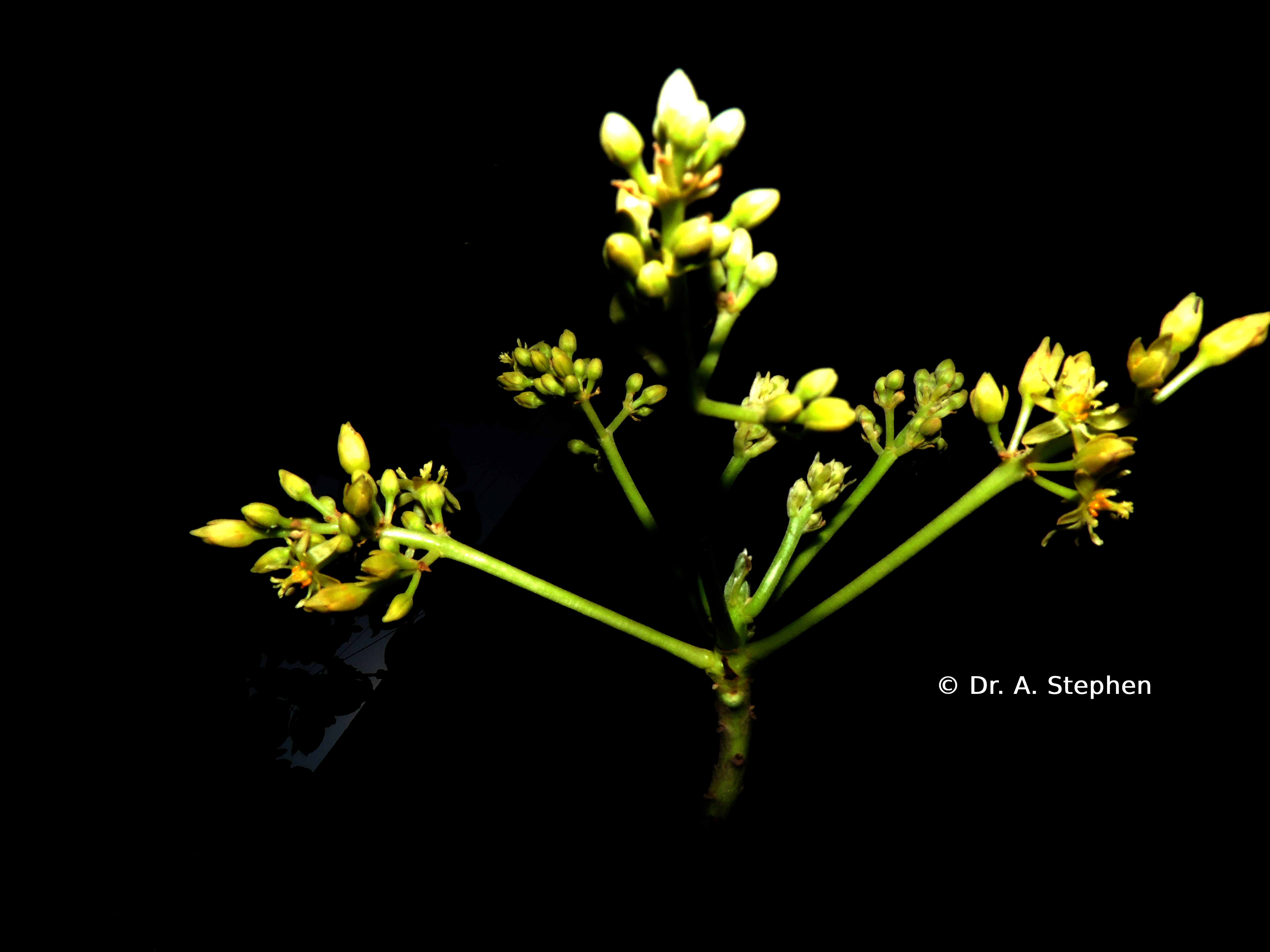
Persea americana
ಬೆಣ್ಣೆ ಹಣ್ಣು ಮರ
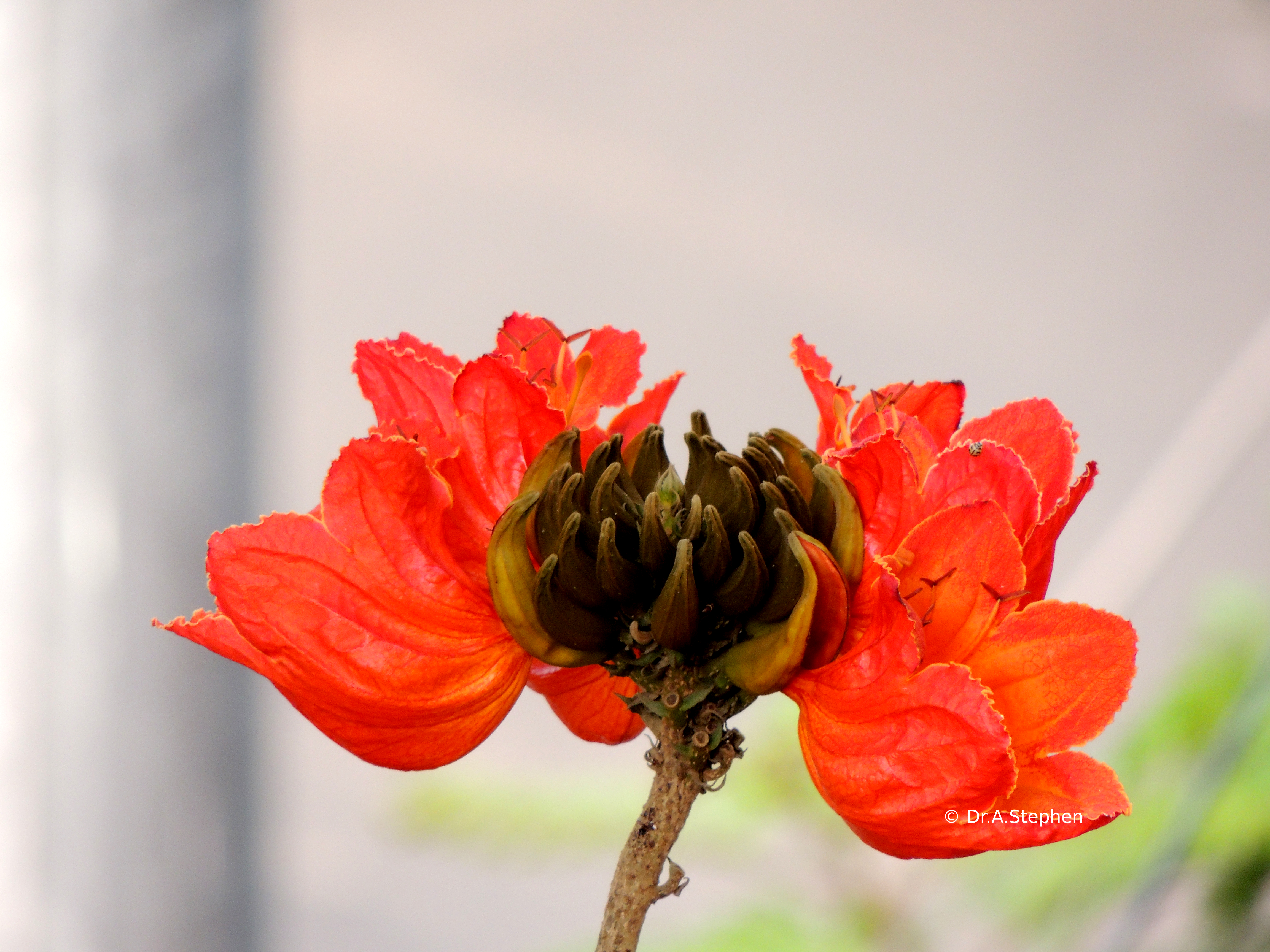
Spathodea campanulata
ನೀರುಕಾಯಿ ಮರ
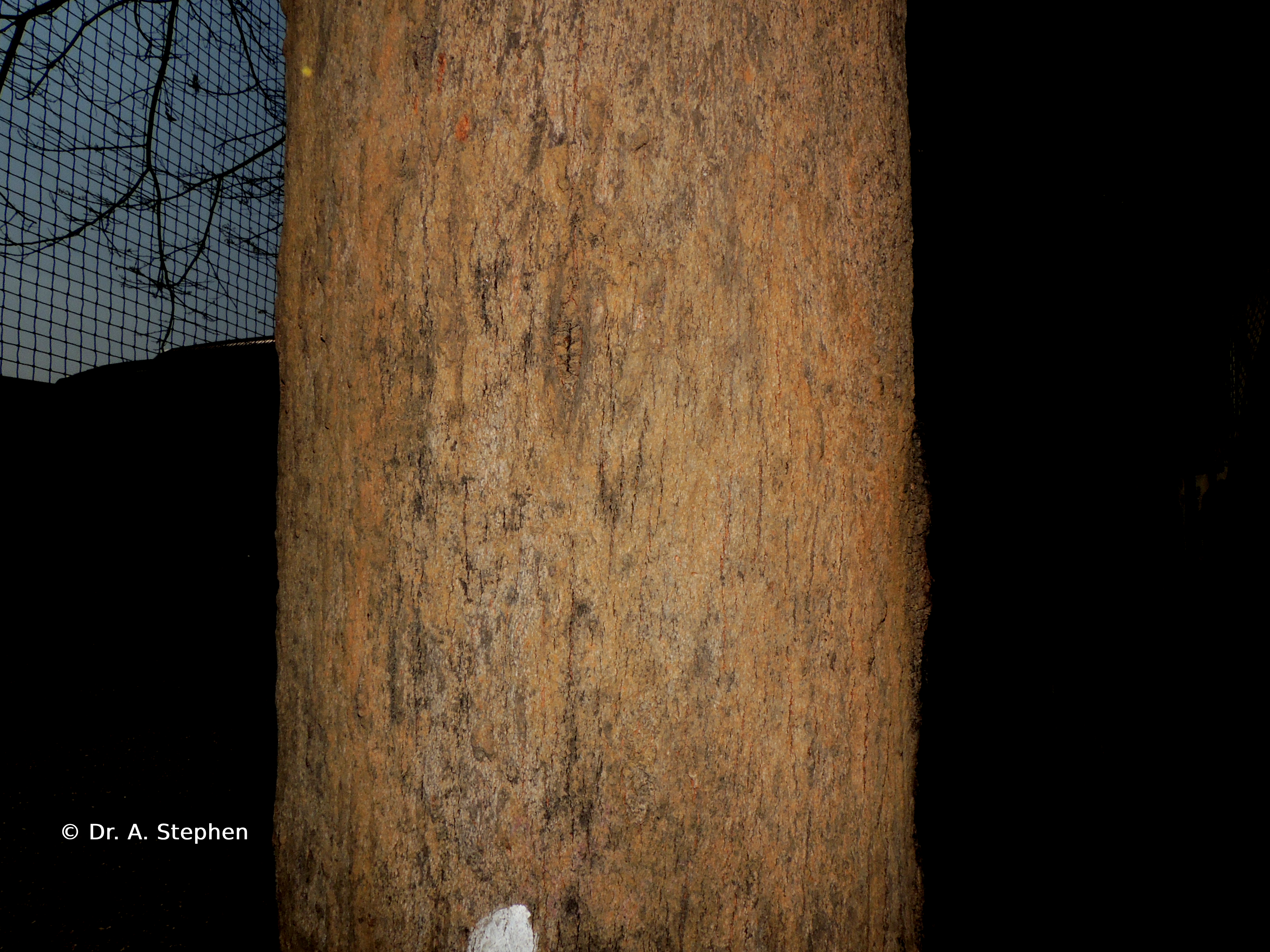
Grevillea robusta
ಸಾಲ್ ಮರ
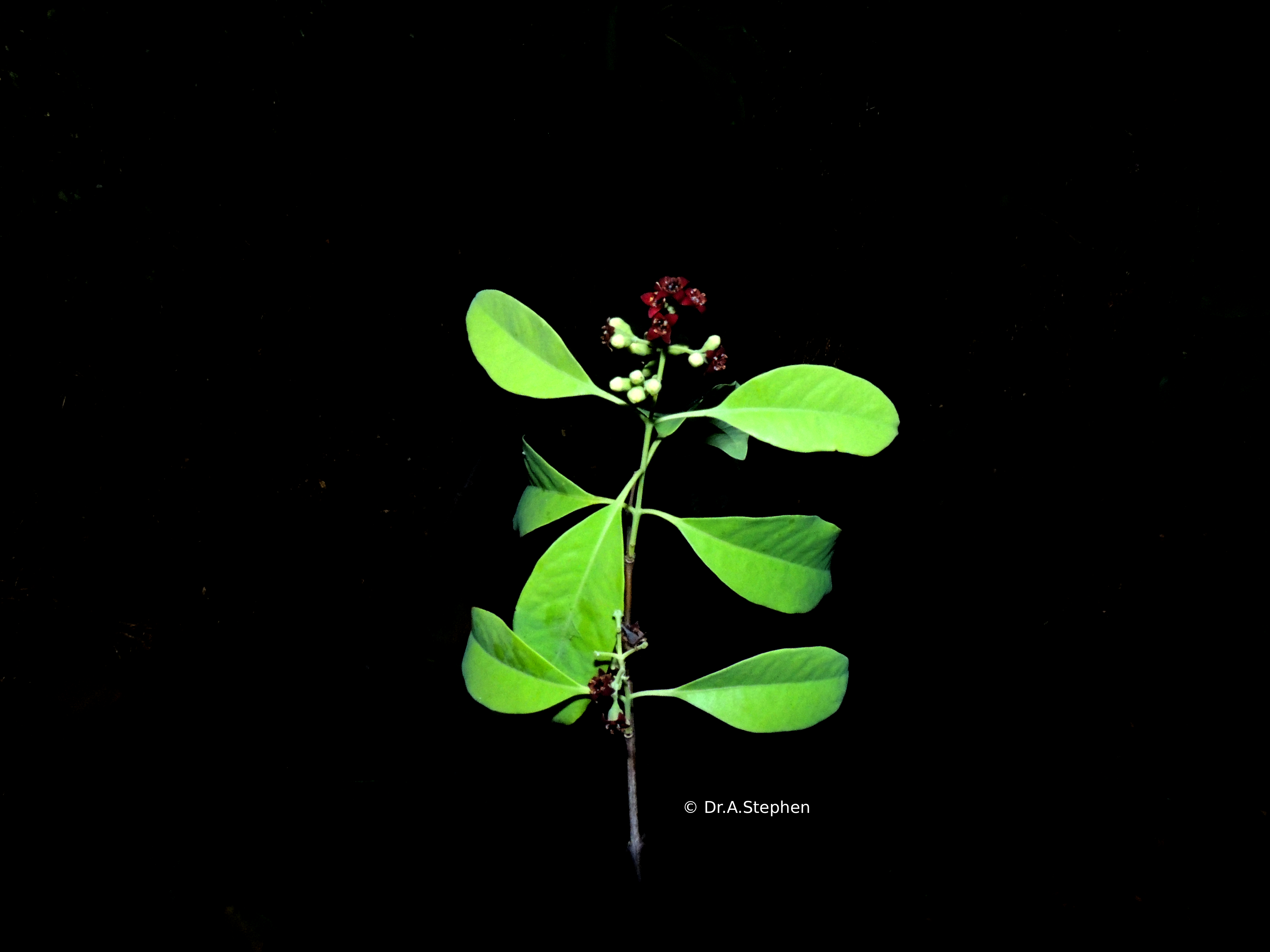
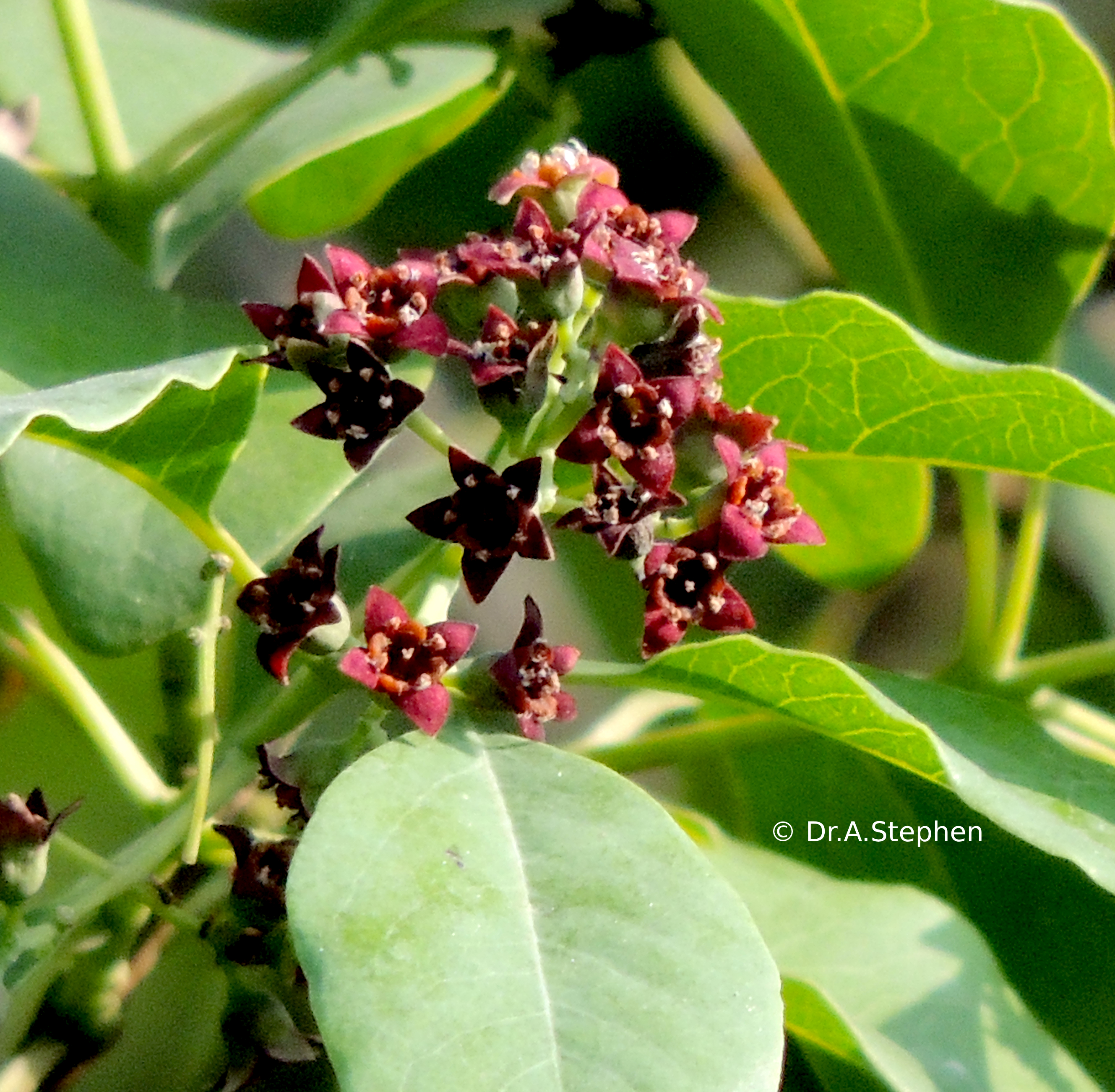
Santalum album
ಶ್ರೀಗಂಧ, ಚಂದನ
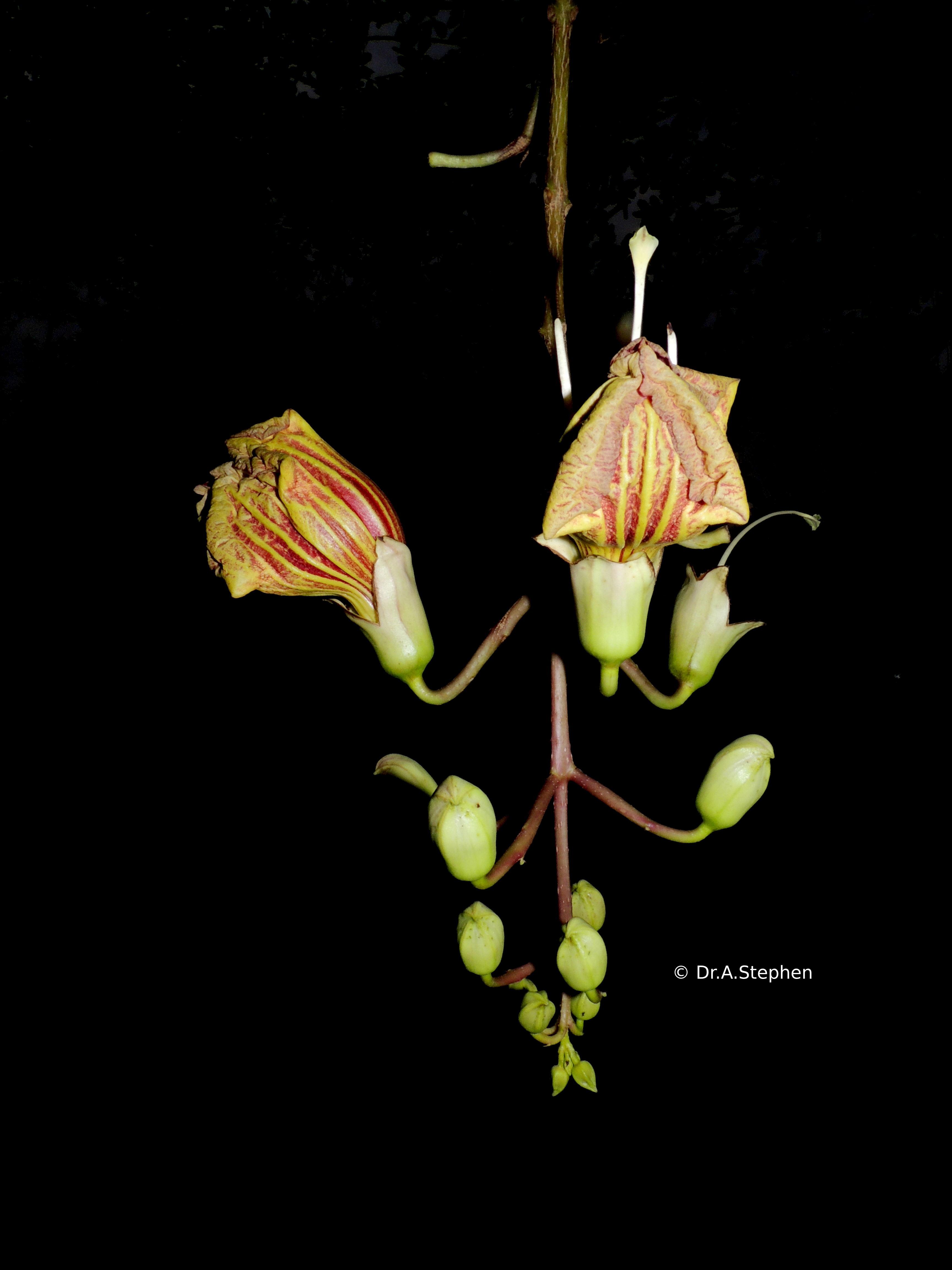
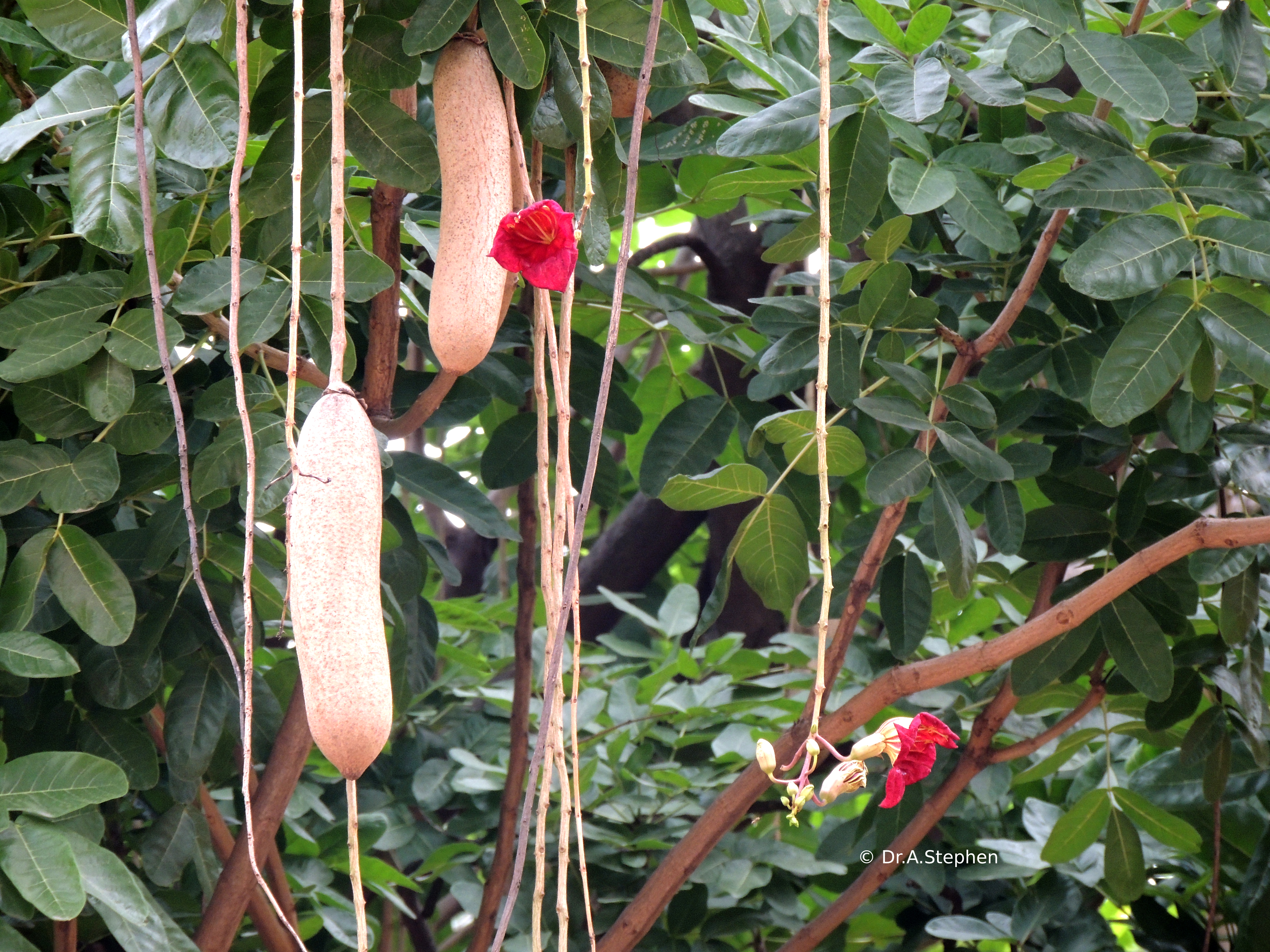
Kigelia africana
ಆನೆತೊರಡುಕಾಯಿ
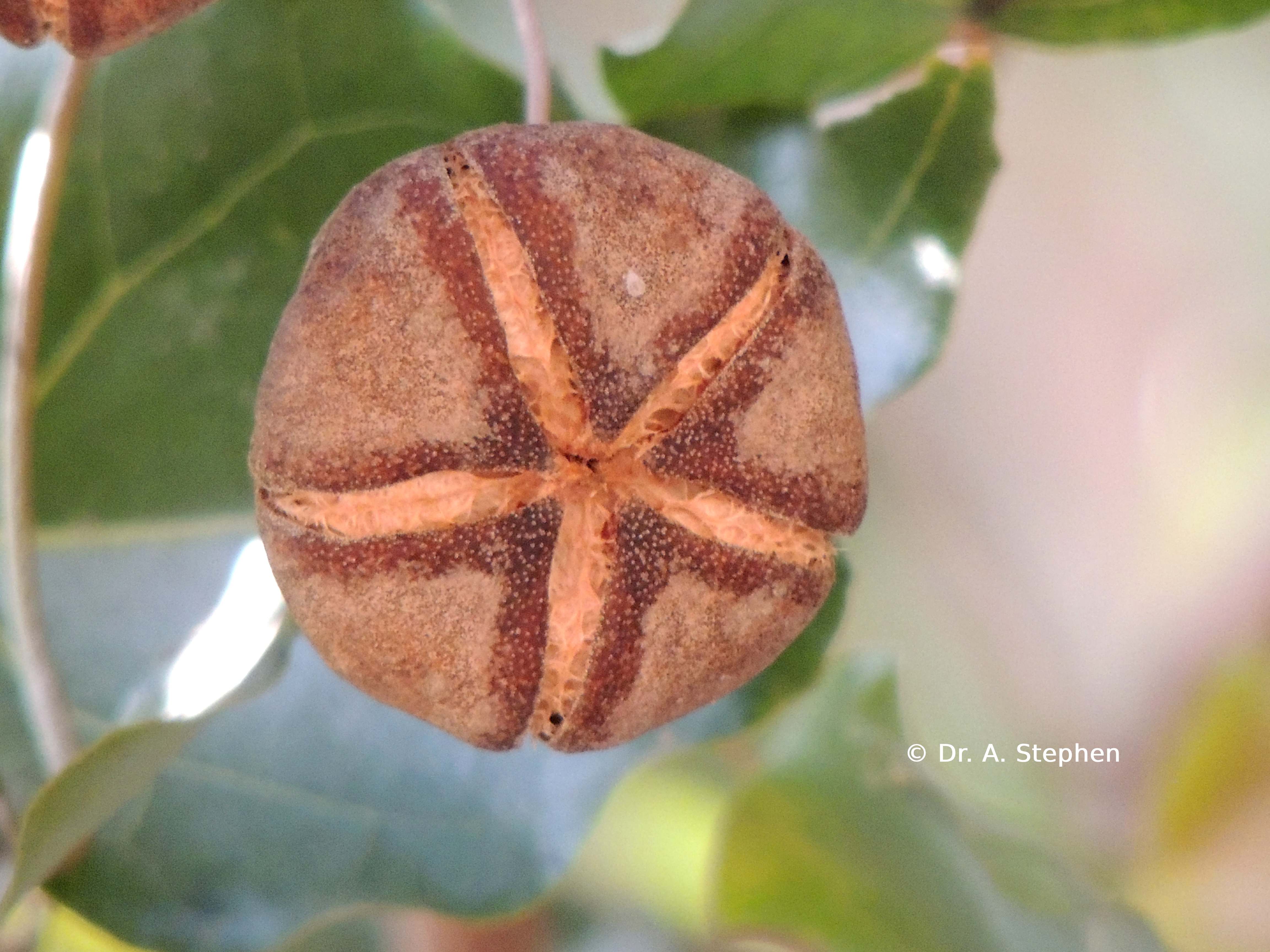
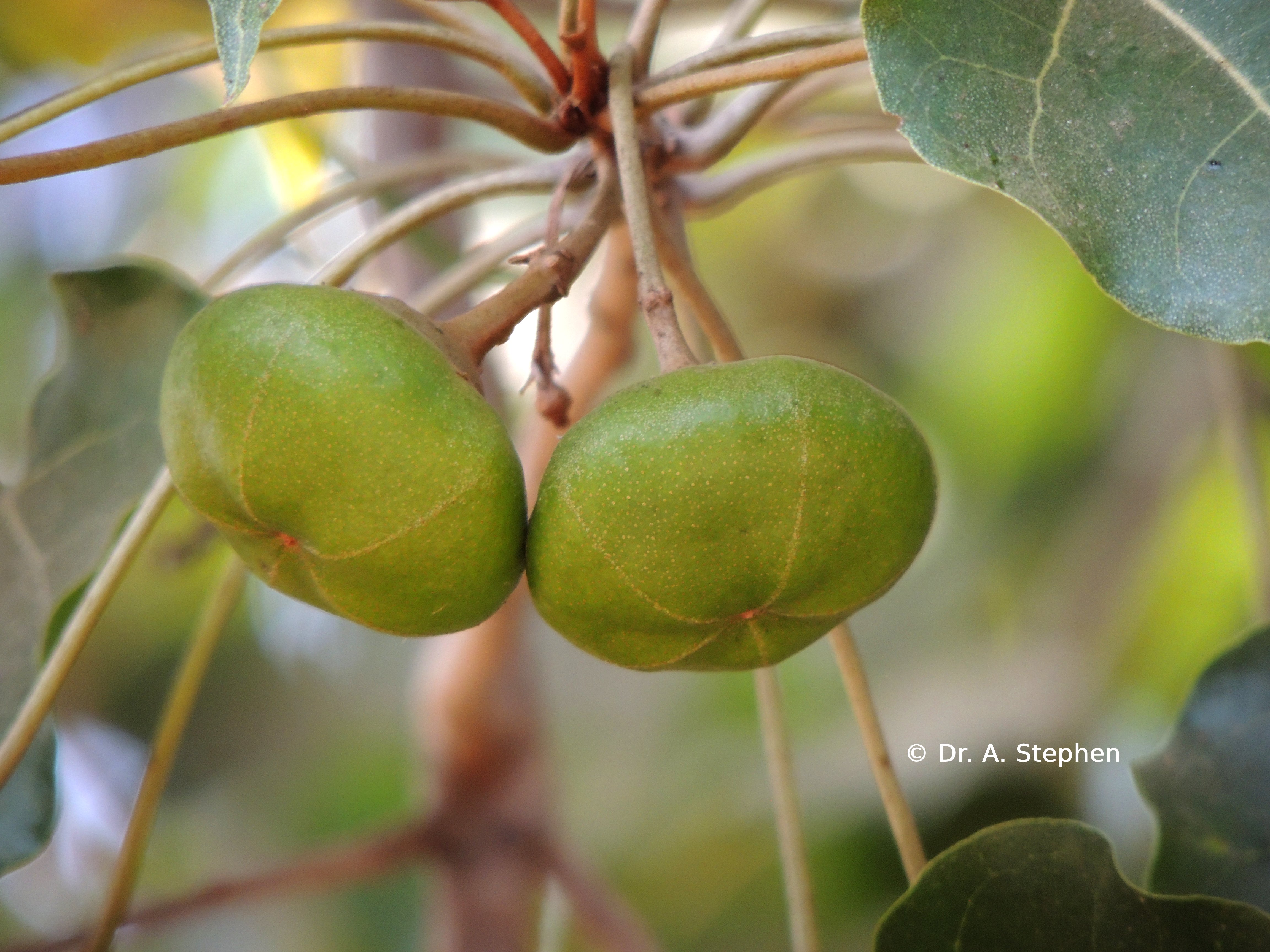
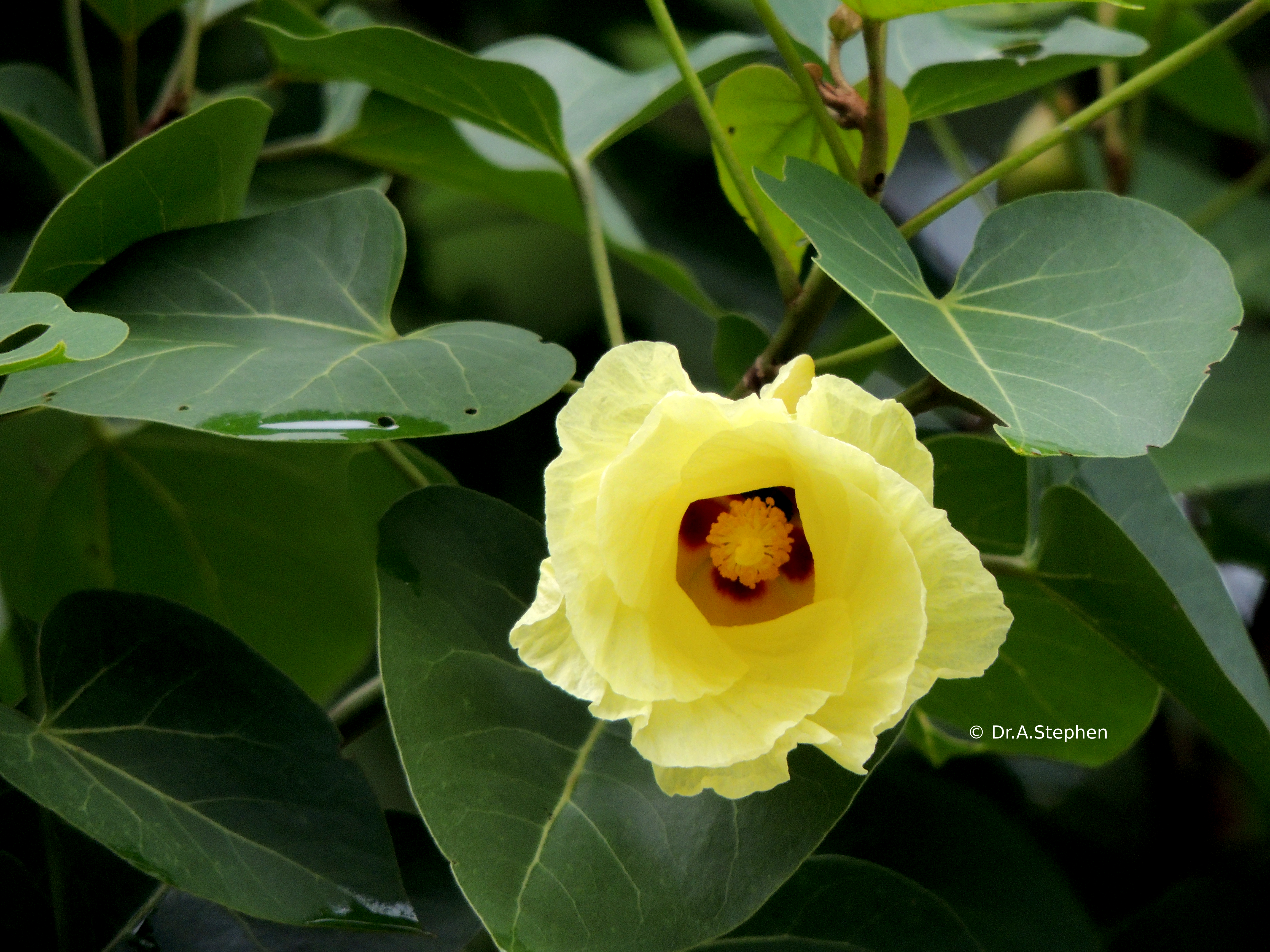
Thespesia populnea
ಹೂವರಸಿ ಮರ
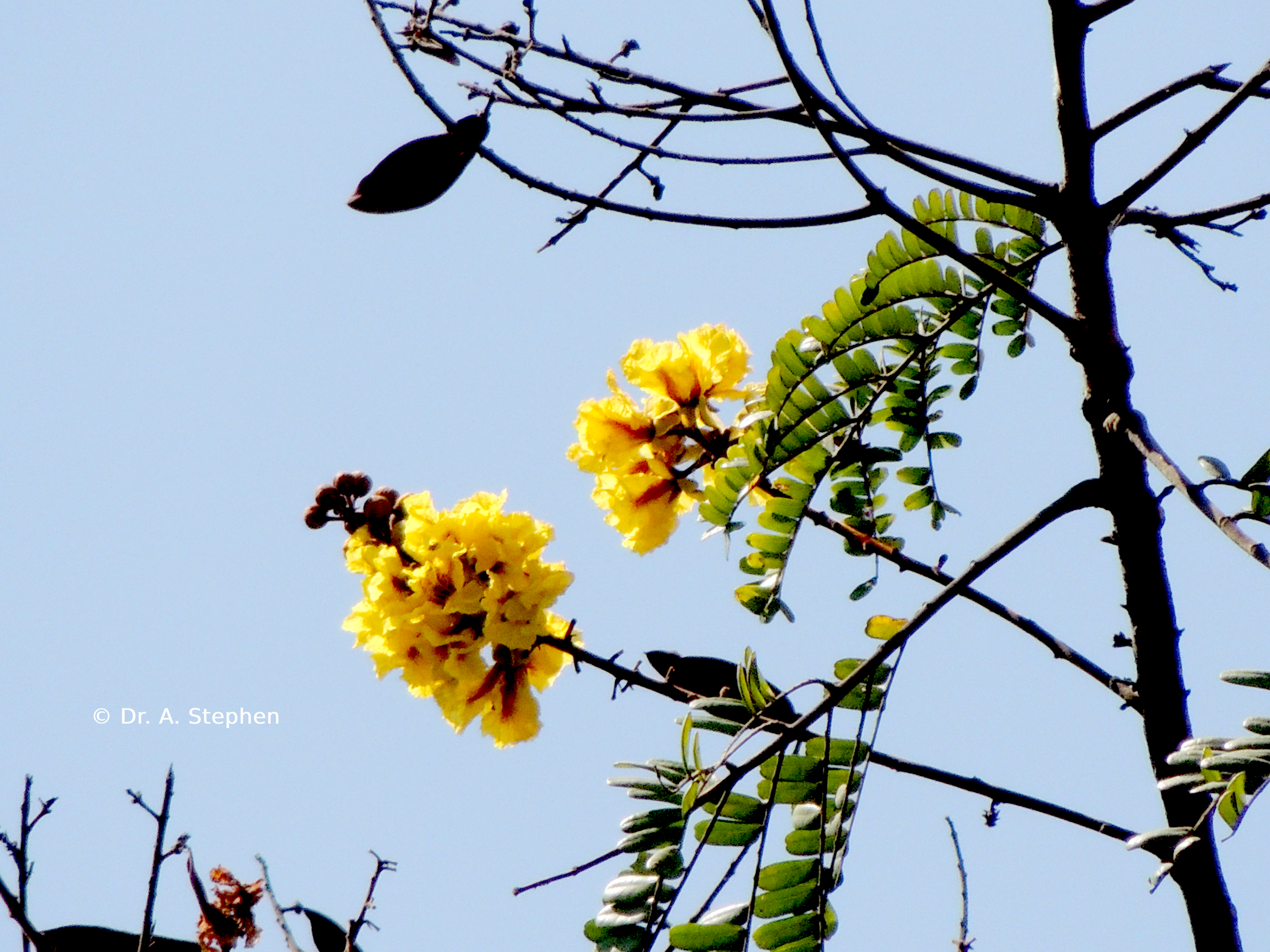
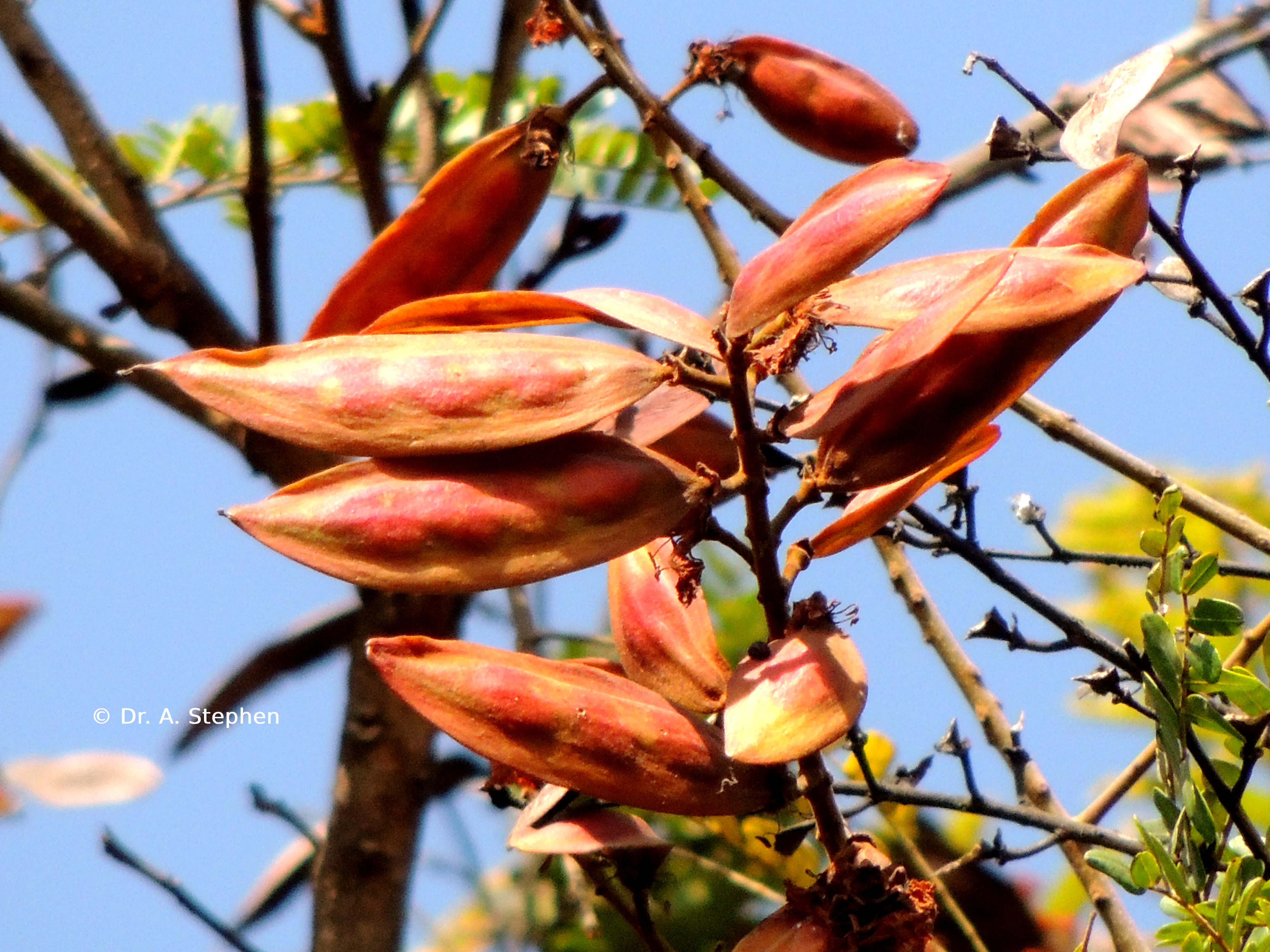
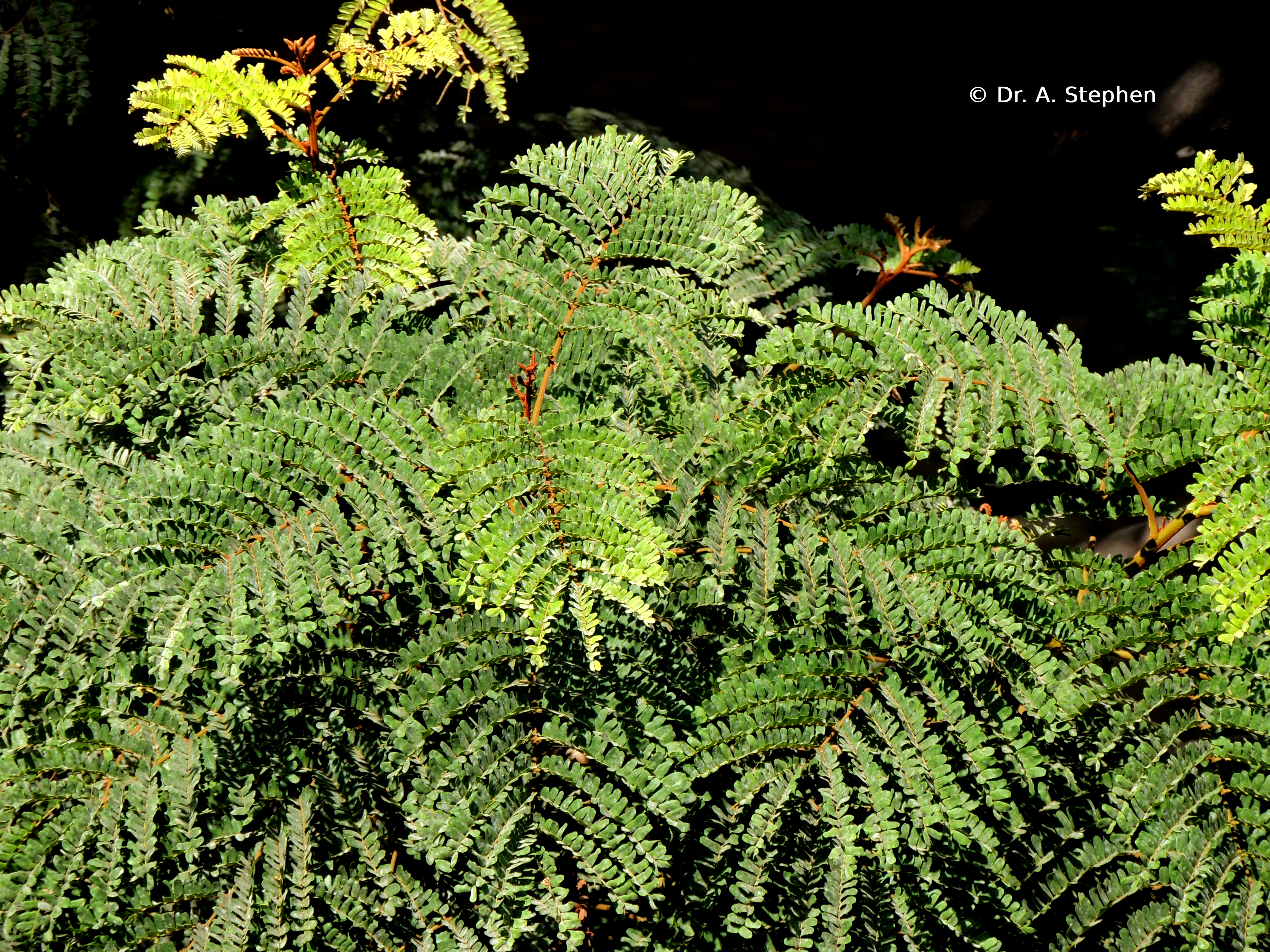
Peltophorum pterocarpum
ಹಳದಿ ಜ್ವಾಲೆ ಮರ
Scan to Share
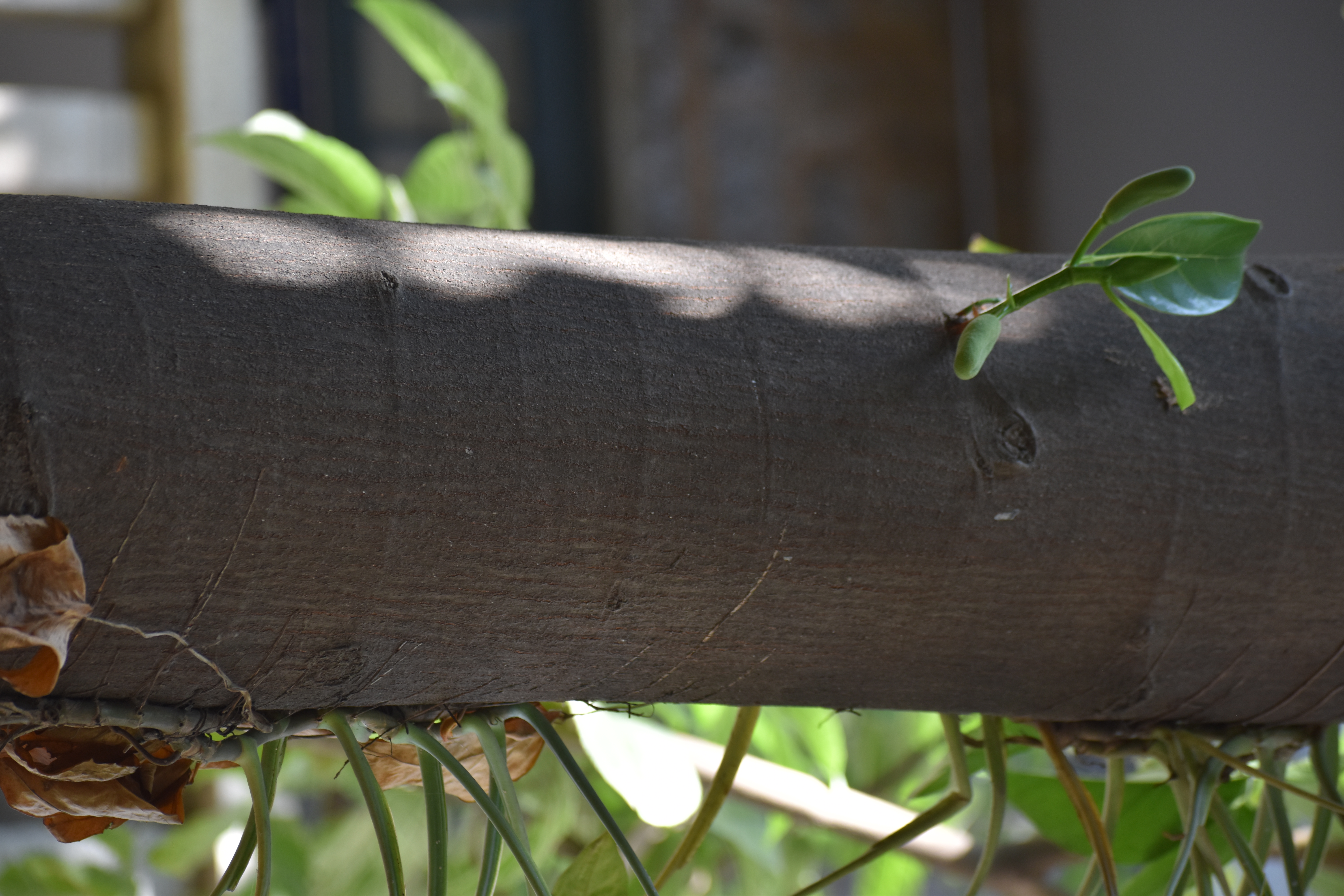
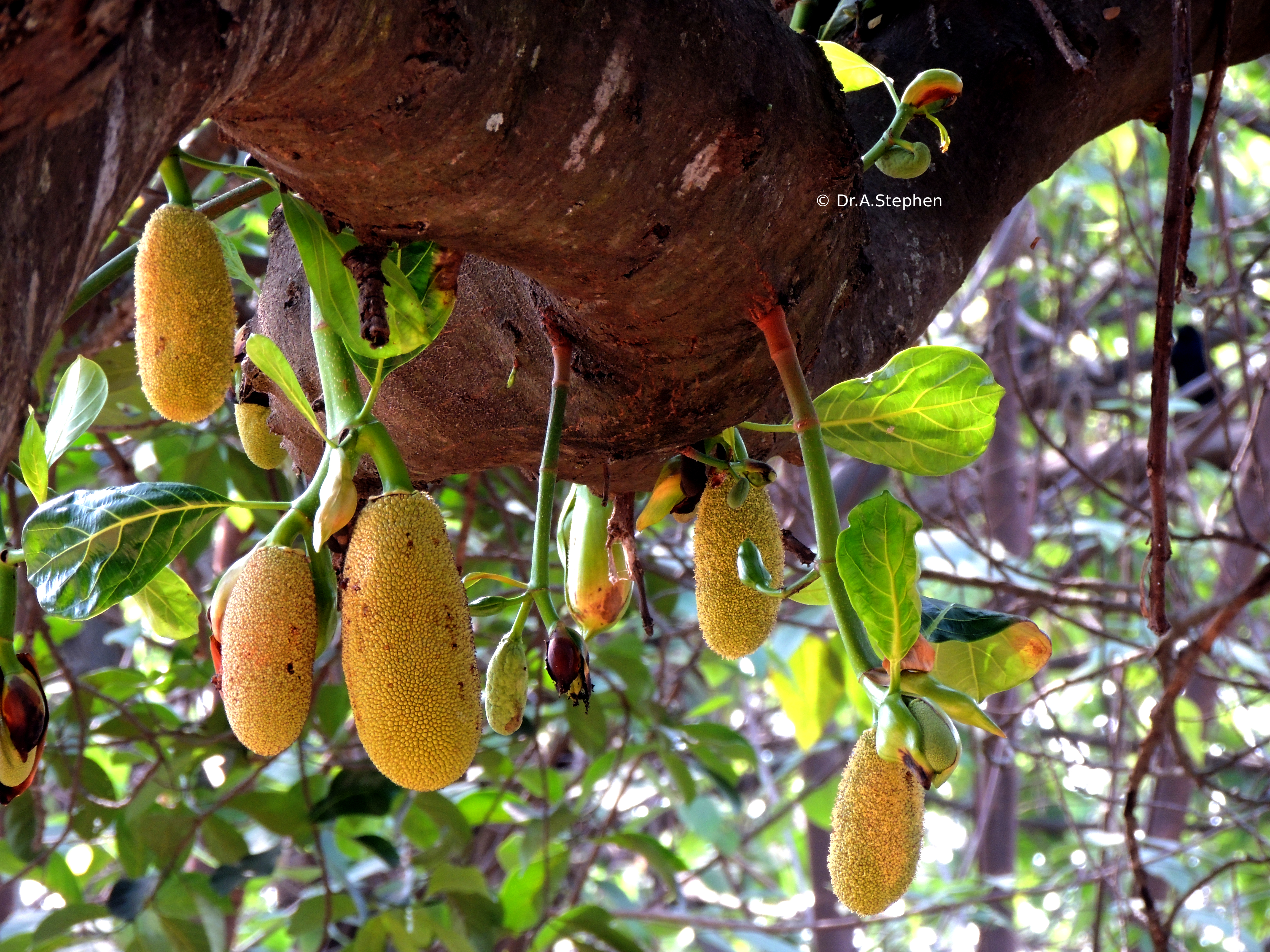
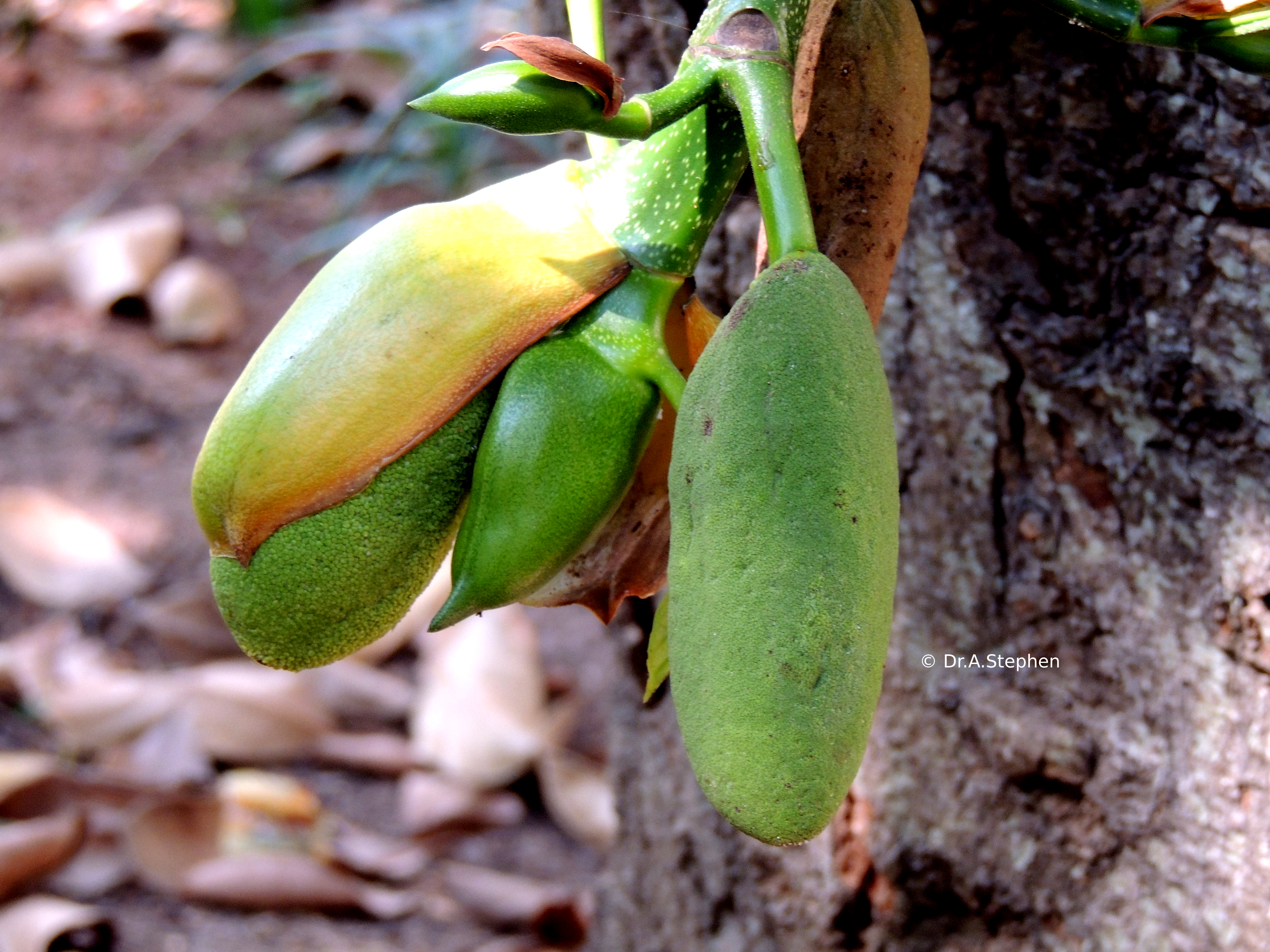
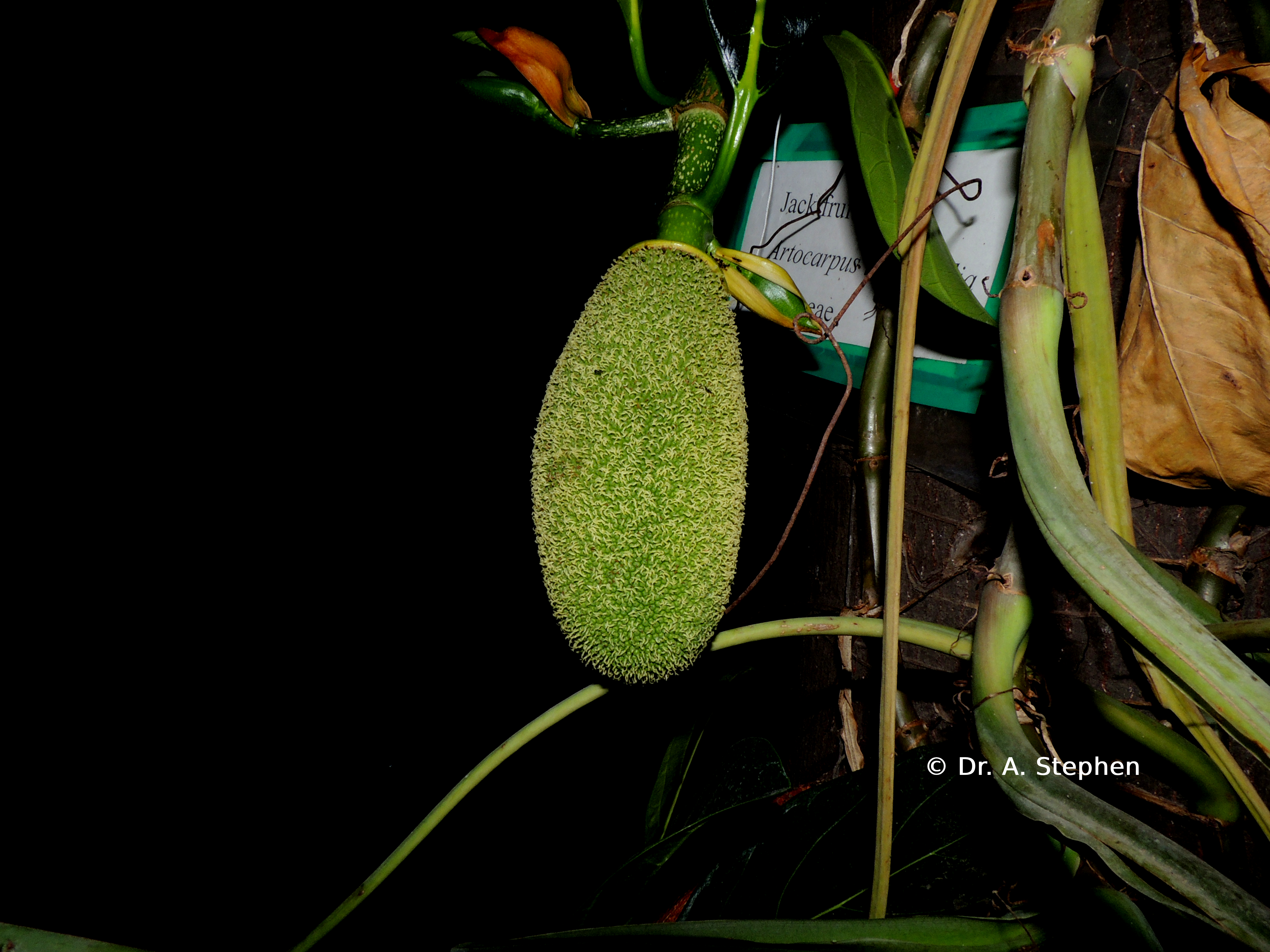
A tropical evergreen known for producing the world's largest tree-borne fruit. Valued for its durable timber and versatile fruit.
View on Campus Map


Scan to Share
An ornamental palm widely cultivated throughout the tropics. Often called the "butterfly palm" because its leaves curve upwards resembling a butterfly.
View on Campus Map


Scan to Share
India is the largest producer of tamarind. It is used in several cuisines to impart a sour flavour. Most parts of this tree are considered medicinal.
View on Campus Map


Scan to Share
Known as the "friend of women", it is traditionally used to treat reproductive disorders. In the Ramayana, the Asoka tree is highly symbolic.
View on Campus Map


Scan to Share
Gets its name from its flexible, straight trunk that was used in the past to construct masts for sailing ships. Often used for privacy screening or shade.
View on Campus Map


Scan to Share
The national fruit of India, Philippines, and Pakistan. It is among the most economically and culturally important tropical fruits.
View on Campus Map


Scan to Share
Fig trees rely on a highly specialized species of wasp to breed. It is a popular medicinal plant in India, used in Ayurveda for various diseases.
View on Campus Map


Scan to Share
A short tree that is often mistaken to be a shrub. The life span of each tree is about 10 years. It has a faint, citric aroma with highly showy red flowers.
View on Campus Map


Scan to Share
Often planted around places of worship as a sacred tree. The milky sap is used in small doses as a purgative but is considered poisonous in large doses.
View on Campus Map


Scan to Share
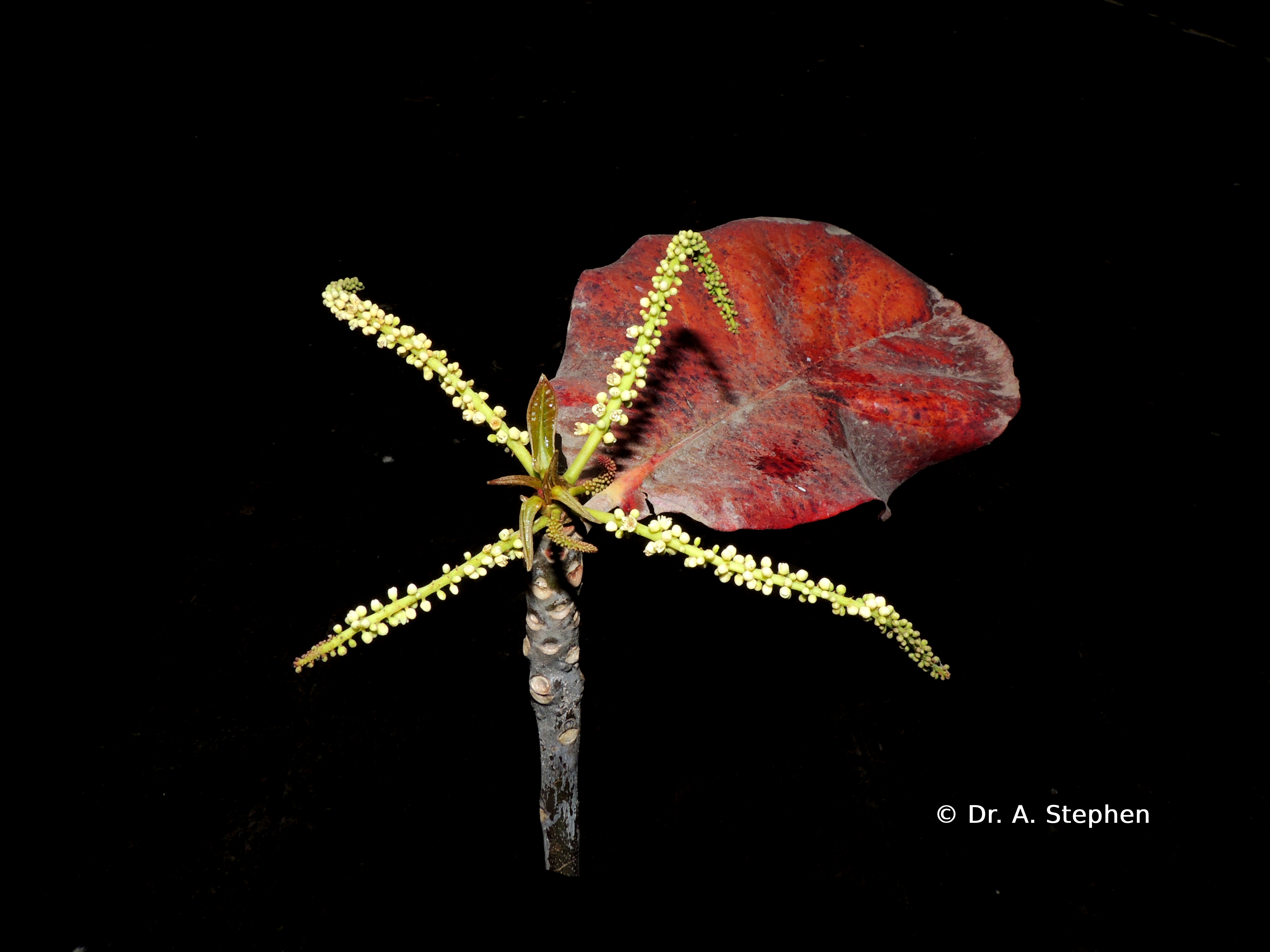
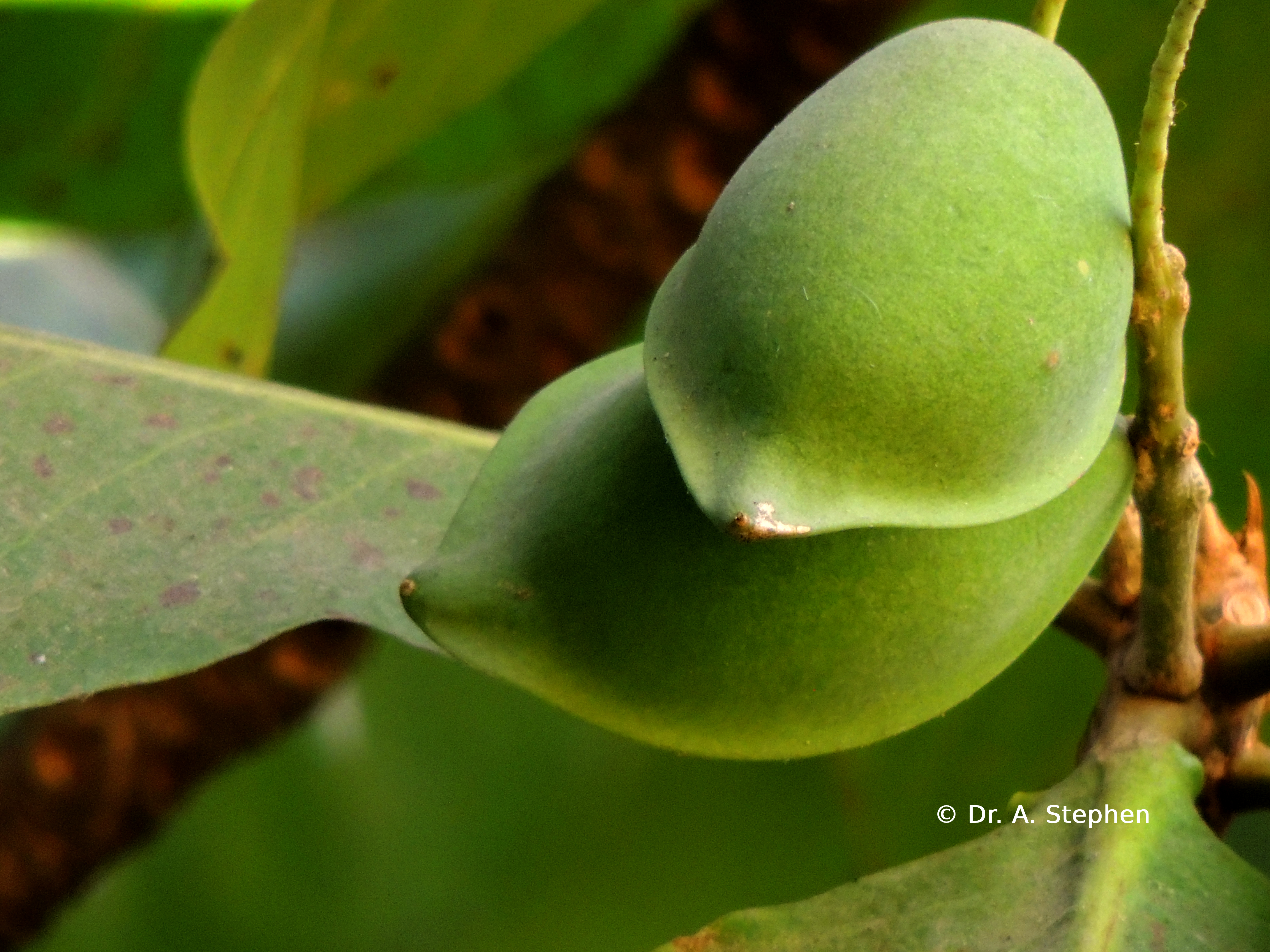
Grown extensively as ornamental trees across the tropics. The seeds inside the hard endocarp are edible.
View on Campus Map


Scan to Share
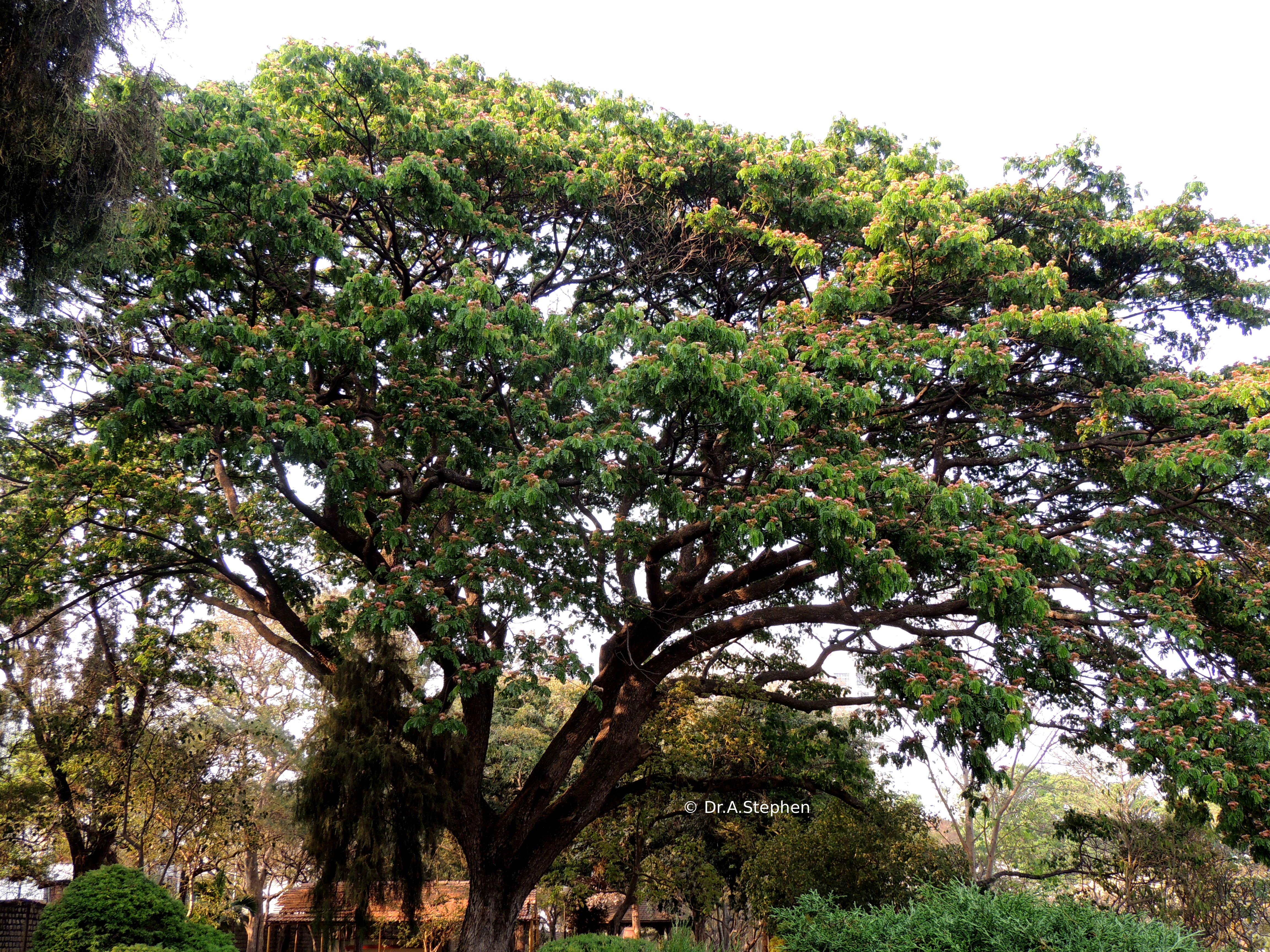
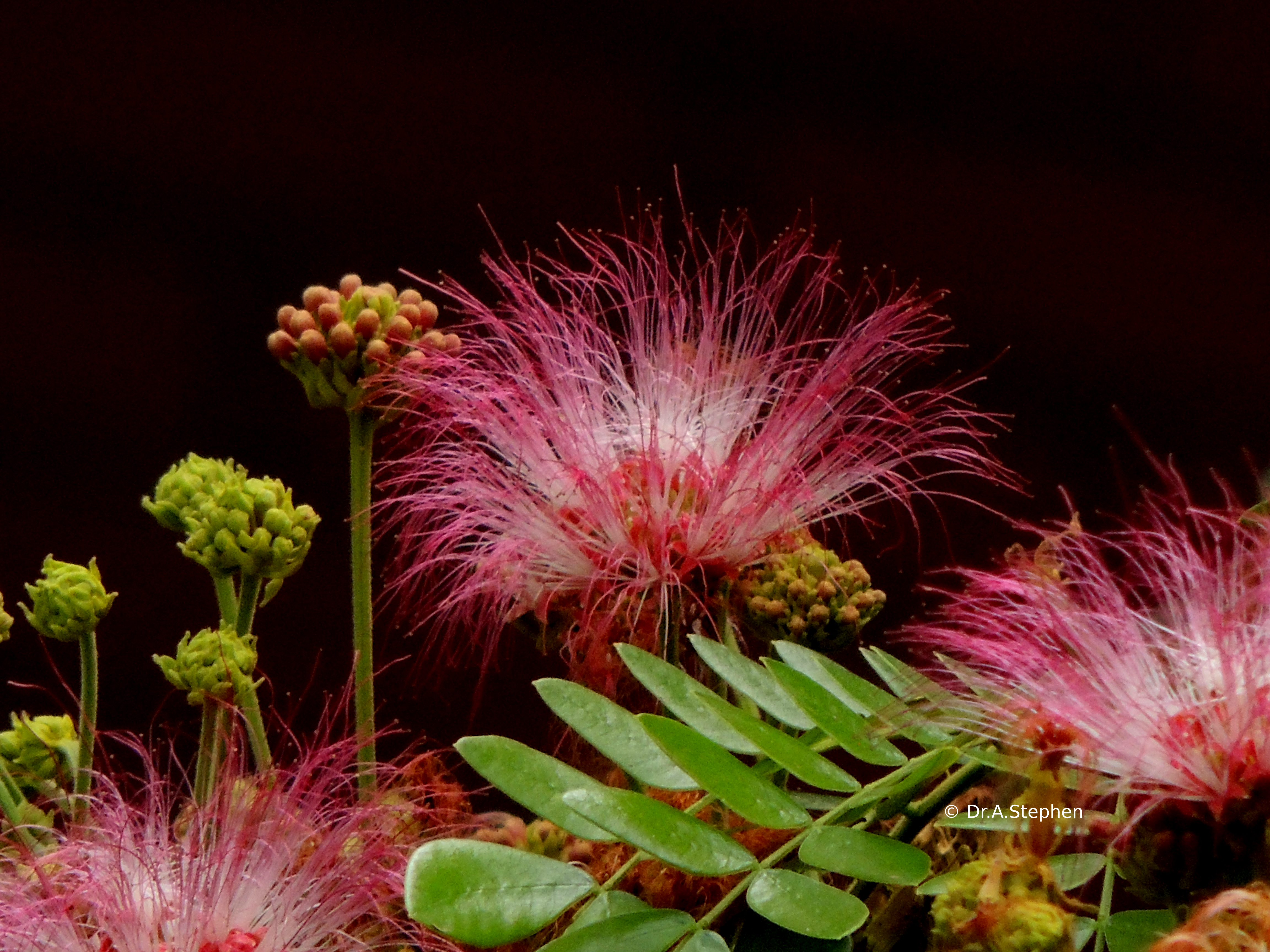
Found widely in cultivation as a fast-growing avenue tree. Its broad canopy provides immense shade, and the pods and leaves are a favourite food for cattle in India.
View on Campus Map.jpg)

.jpg)


Scan to Share
A Sacred Tree often planted near places of worship. Its bark, leaves, and seeds have profound medicinal properties. The biggest Banyan in the world is located in Gotte Bayalu in Andhra Pradesh.
View on Campus Map


Scan to Share
The deeply cleft leaves symbolise the two Bauhin botanist brothers. In the Philippines, it is known as alibangbang (butterfly) and used as a souring agent for dishes. In Indian traditional medicine, the leaves are used to treat coughs.
View on Campus Map


Scan to Share
An ornamental evergreen gymnosperm valued for its dense foliage, adaptability to pruning, and tolerance to pollution. It is culturally significant in East Asia and is considered a symbol of longevity.
View on Campus Map


Scan to Share
Widely planted along roadsides and campuses for its bright yellow flowers and extreme drought tolerance. Note: All parts of the plant contain cardiac glycosides and are highly toxic if ingested.
View on Campus Map

Scan to Share
A fast-growing ornamental tree widely planted for its spectacular yellow blossoms. It is drought-tolerant, prefers full sunlight, and contributes to urban aesthetics while attracting pollinators.
View on Campus Map


Scan to Share
A perennial tree with its branches arranged in whorls of horizontal tiers. Deep taproot system. Often referred to simply as the "Christmas tree" in the region due to its shape.
View on Campus Map


Scan to Share
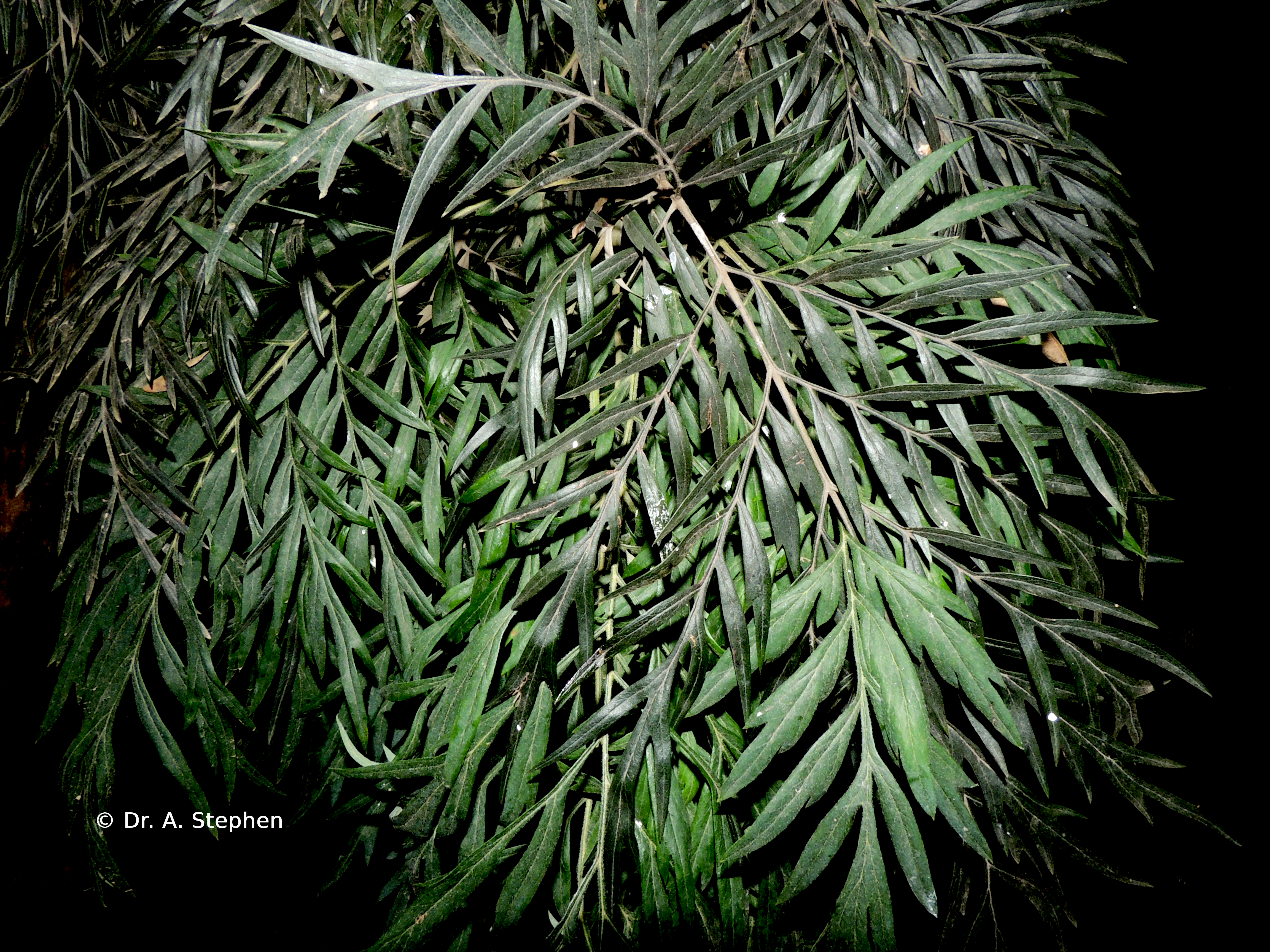
The leaves, tender pods, and seeds become edible when boiled. Due to its high biomass production, this tree is planted as a dense shelterbelt. Sandalwood, a parasitic tree, often utilises it as a host species.
View on Campus Map


Scan to Share
The flowers bloom at night and shed early in the morning. The bark is used as an inferior substitute for cork. Leaf extracts are used to treat sinus issues and skin disorders, displaying antimicrobial properties.
View on Campus Map


Scan to Share
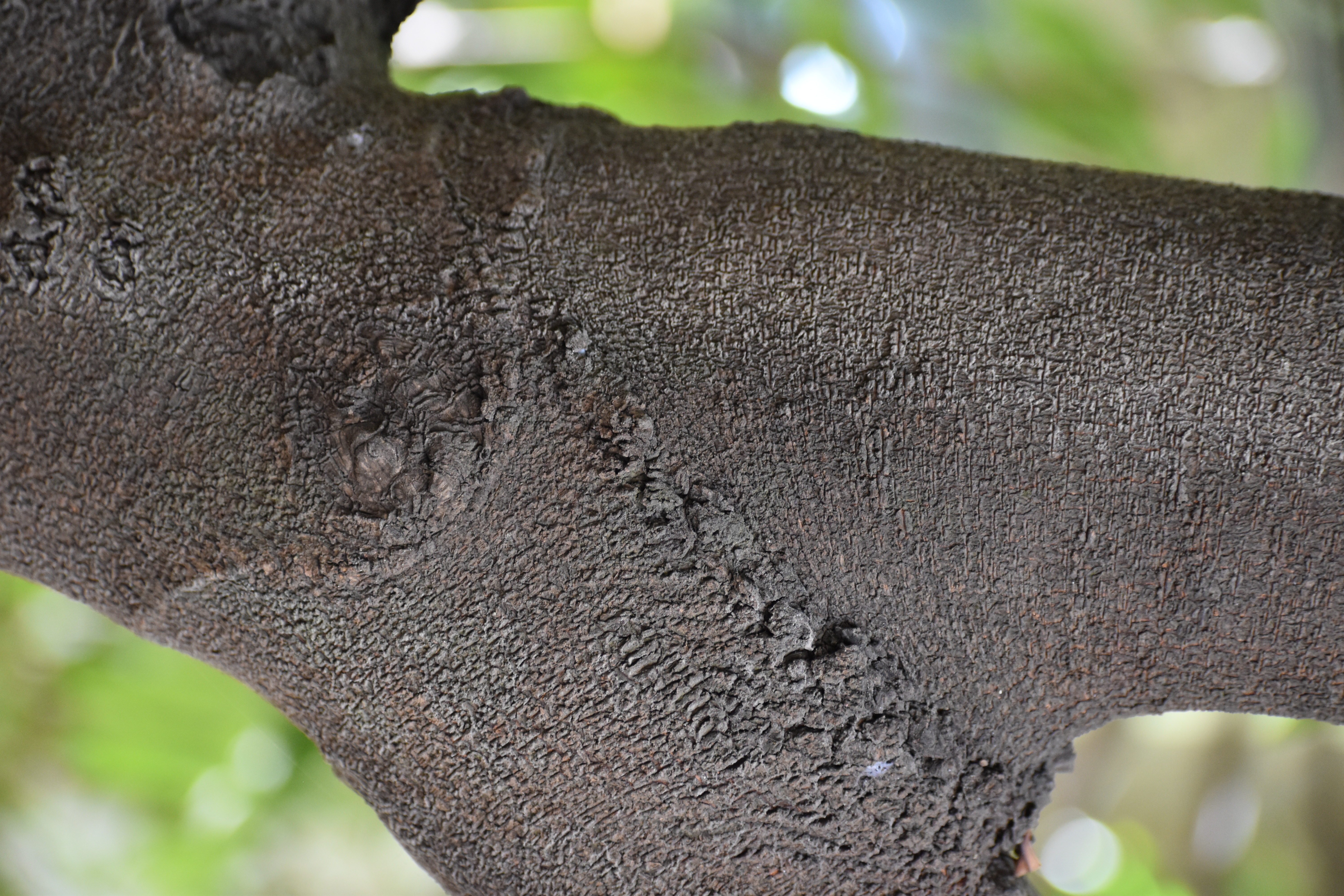
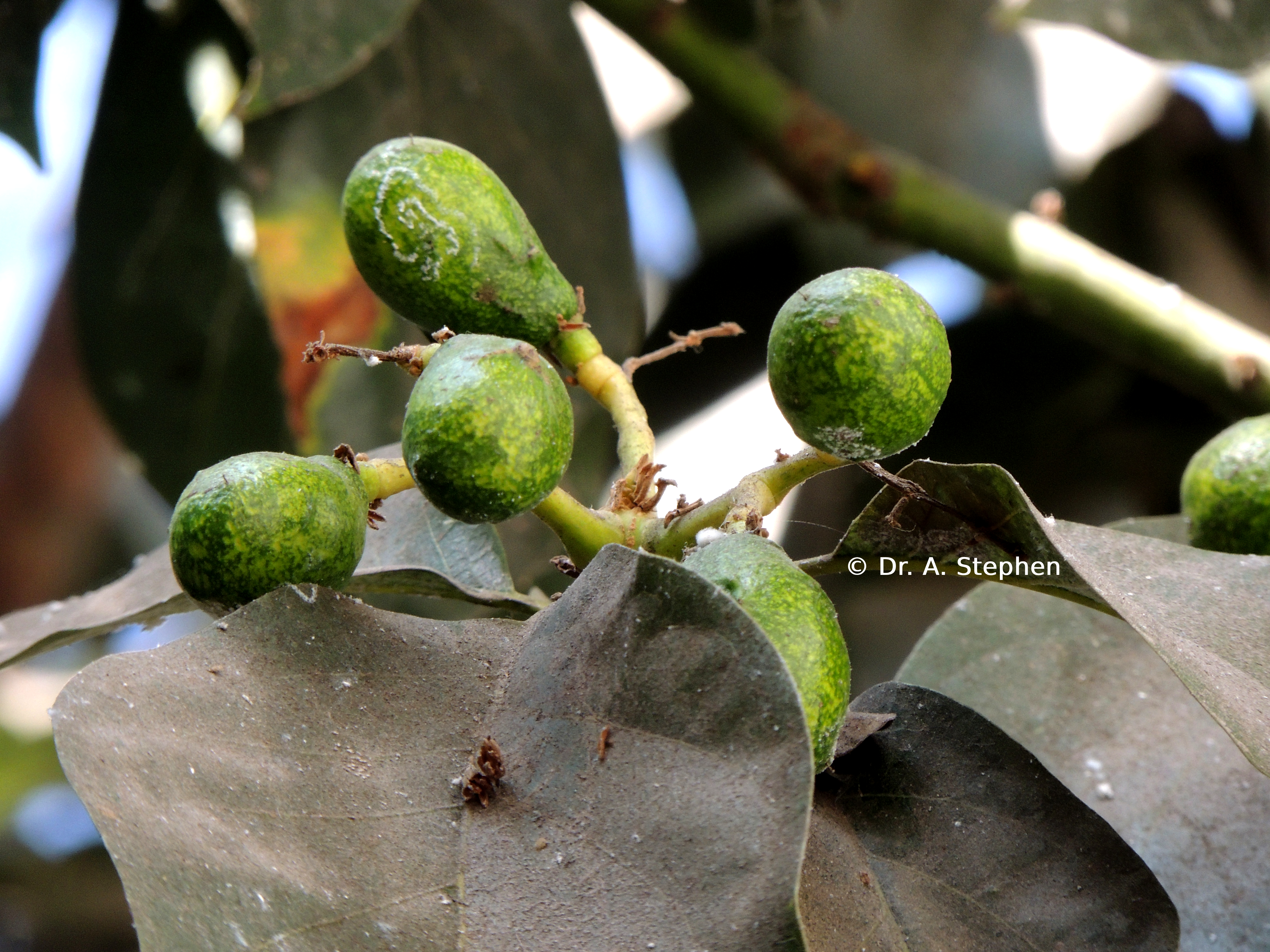
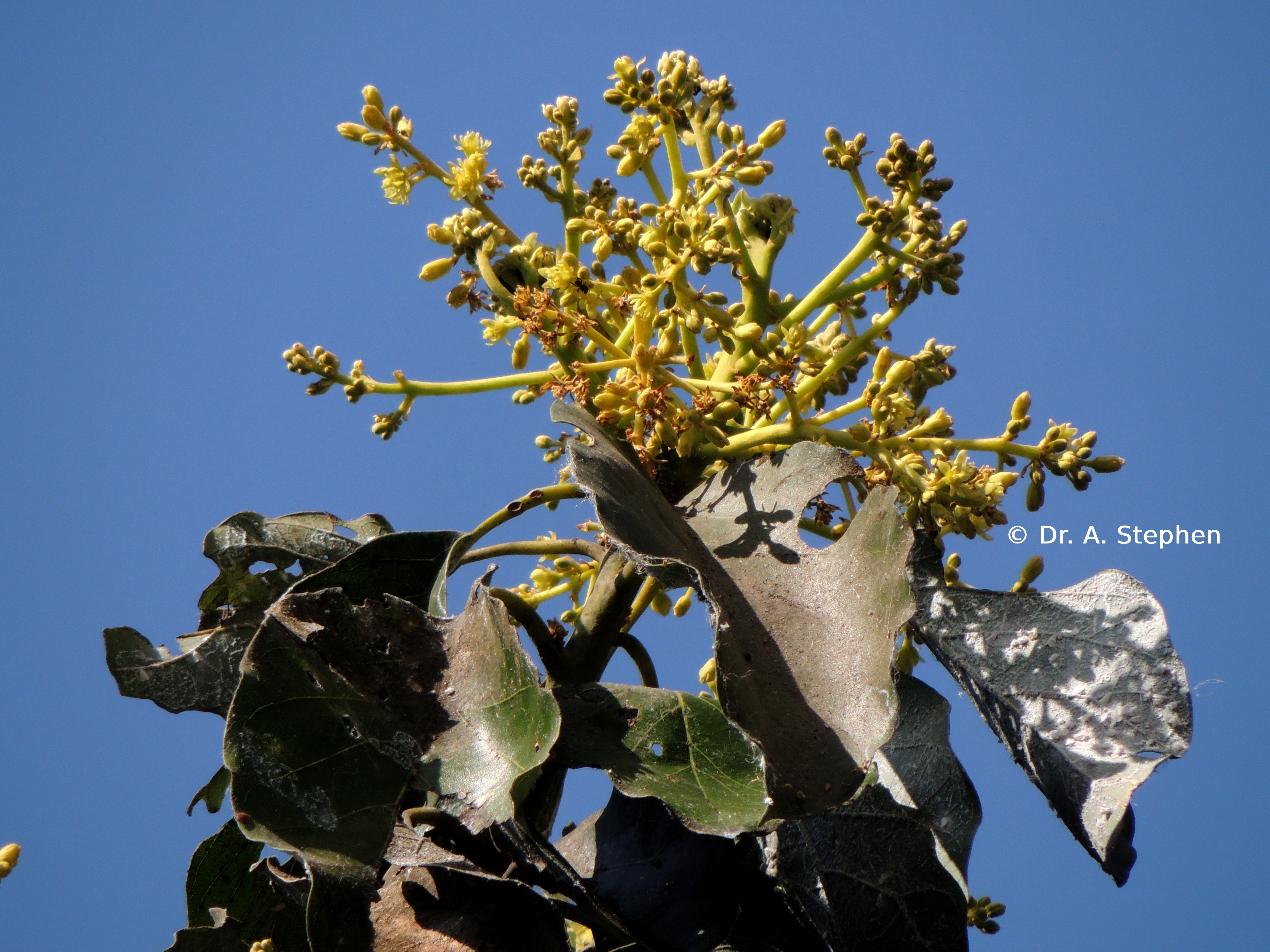
A vital subtropical tree famous for its nutrient-rich, pear-shaped fruit. The bark is green when young, becoming rough and cracked with age.
View on Campus Map


Scan to Share
Used for ornamental purposes, soil improvement, and land rehabilitation. Medicinal uses include treatment of malaria, dysentery, diabetes, and as a poison antidote. In Ethiopia, the wood is used for carving.
View on Campus Map


Scan to Share
Timber has been widely used in the manufacture of furniture, fences, and guitars. The leaves offer intense yellow and green dyes. The flowers are one of the richest sources of nectar for birds.
View on Campus Map


Scan to Share
Sandalwood oil was used traditionally to treat skin diseases, acne, dysentery, and gonorrhea. In traditional Chinese medicine, it is considered an excellent sedating agent.
View on Campus Map


Scan to Share
Extracts possess immense antibacterial and antifungal properties, and are renowned for anti-cancer applications. The fruits are highly poisonous and should not be consumed.
View on Campus Map


Scan to Share
Popularly known as a ‘living fence’ due to its resistance to wind. Several dyes can be obtained from this tree. The wood is used to make the thavil, a Carnatic musical instrument.
View on Campus Map


Scan to Share
The bark yields a potent dye. In traditional medicine, it is effective in treating intestinal disorders, sprains, bruises and swellings.
View on Campus Map